

Call us: +86-13857761200

Email us:[email protected]
 Get a quote

 EN
EN 
 English
 中文简体
中文简体 Español
 русский
Submit feedback
Industry News

A Comprehensive Guide to Stainless Steel Investment Sand Die Casting
 2025.11.03
 Industry News
Stainless steel casting plays a vital role in modern manufacturing, providing durable, corrosion-resistant components for various industrial applications. Among the more commonly used methods are investment casting, sand casting, and die casting. Each technique has distinct advantages and is suited to particular design requirements, production volumes, and material specifications.
Overview of Stainless Steel Casting
Stainless steel is an alloy known for its high resistance to corrosion, good mechanical strength, and adaptability to extreme temperatures. Casting stainless steel allows manufacturers to produce complex shapes and detailed components that might be difficult or costly to achieve with machining alone. The three primary casting methods—investment casting, sand casting, and die casting—offer different levels of precision, surface finish, and production efficiency.
Investment Casting: Known for high accuracy and intricate detail.
Sand Casting: Suitable for large parts and flexible designs.
Die Casting: Optimized for high-volume production with consistent quality.
Selecting the appropriate casting method depends on factors such as part size, complexity, material grade, and production volume.
Investment Casting of Stainless Steel
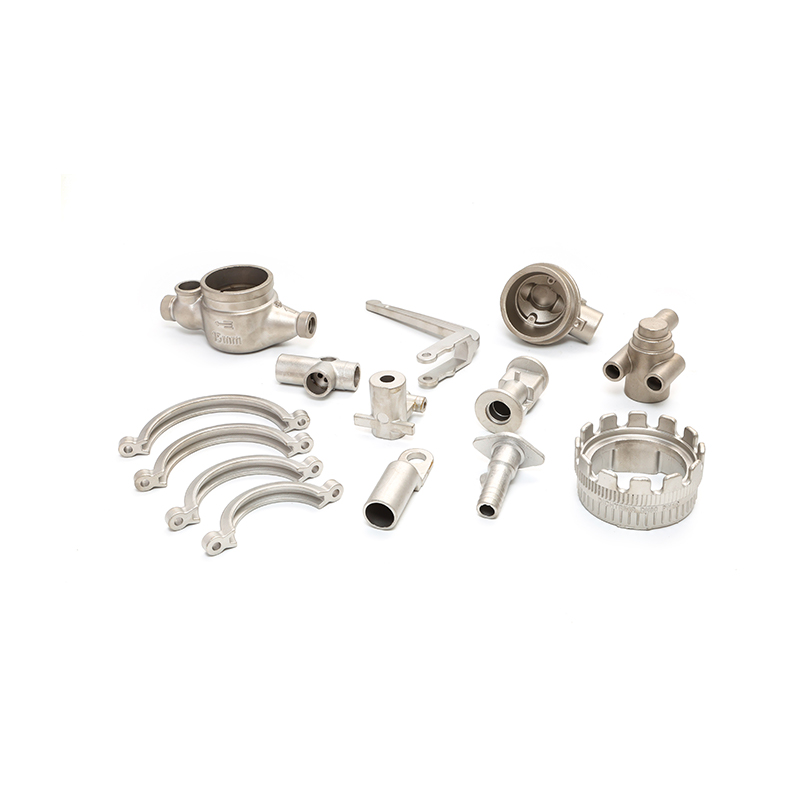
Investment casting, often referred to as the lost-wax process, allows for precise, complex components with fine surface finishes. This process begins by creating a wax model of the desired part. The model is coated with a ceramic shell that hardens and forms a mold. Once the mold is ready, the wax is melted and drained, leaving a cavity into which molten stainless steel is poured.
Investment casting offers several advantages:
1. High Precision: Capable of producing components with tight tolerances.
2. Complex Geometry: Suitable for intricate parts that are difficult to machine.
3. Smooth Surface Finish: Reduces the need for secondary machining.
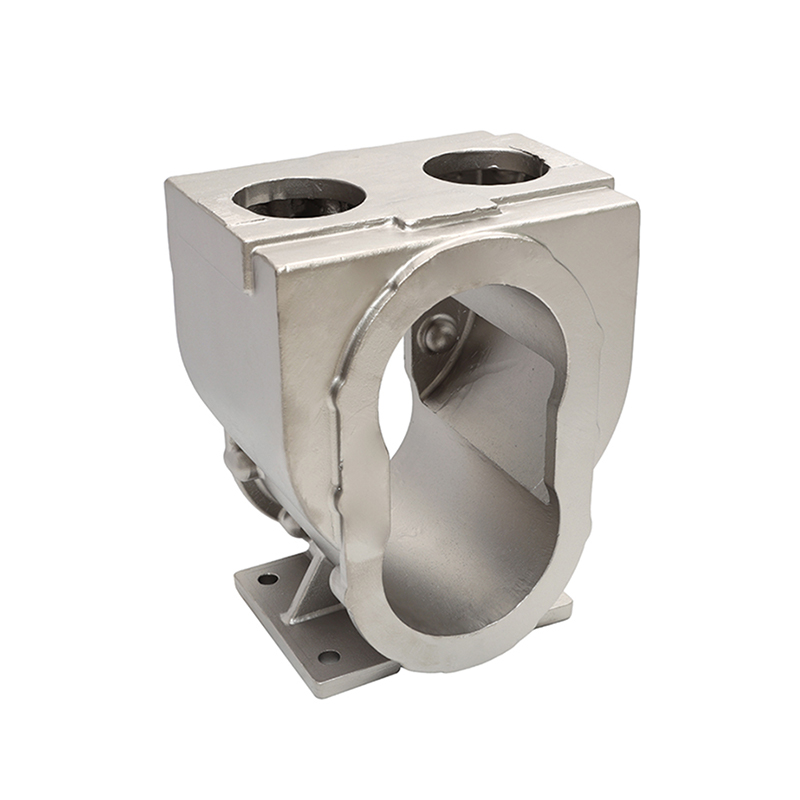
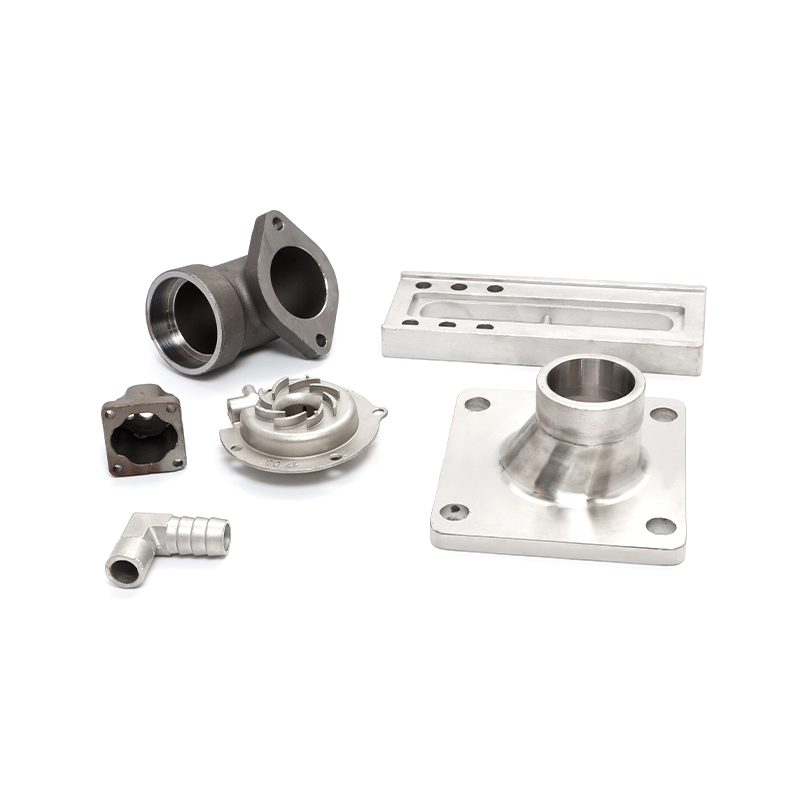
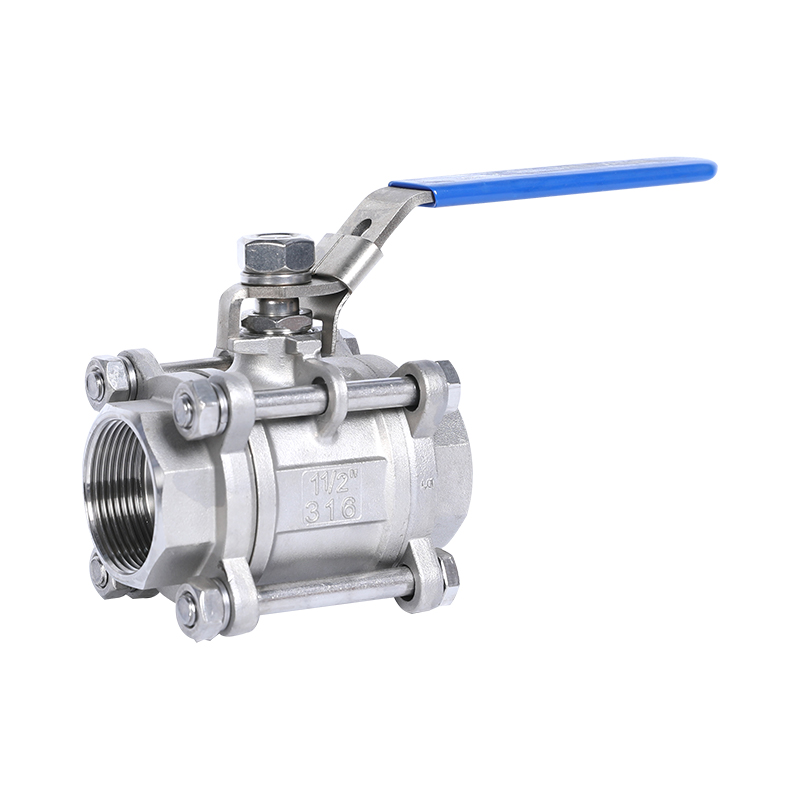
Common applications for stainless steel investment casting include valves, pump components, aerospace parts, and intricate industrial fittings. Its ability to produce detailed and high-strength parts makes it a preferred choice for industries requiring precision and reliability.
Sand Casting of Stainless Steel
Sand casting is a versatile method used for larger components or low-to-medium volume production. In this process, a sand mold is created by compacting sand around a pattern of the part. Once the mold is formed, molten stainless steel is poured into the cavity. After solidification, the sand mold is broken, and the casting is cleaned and finished.
Key features of stainless steel sand casting include:
1. Flexibility: Suitable for large, heavy, or uniquely shaped components.
2. Cost-Effective for Low Volumes: Does not require expensive tooling.
3. Material Versatility: Can accommodate a wide range of stainless steel grades.
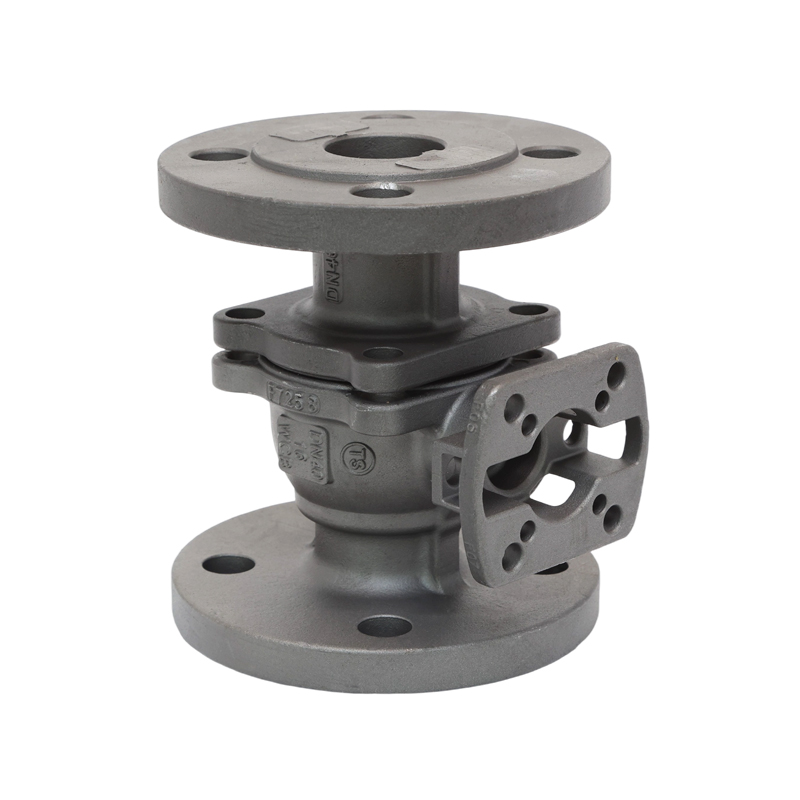
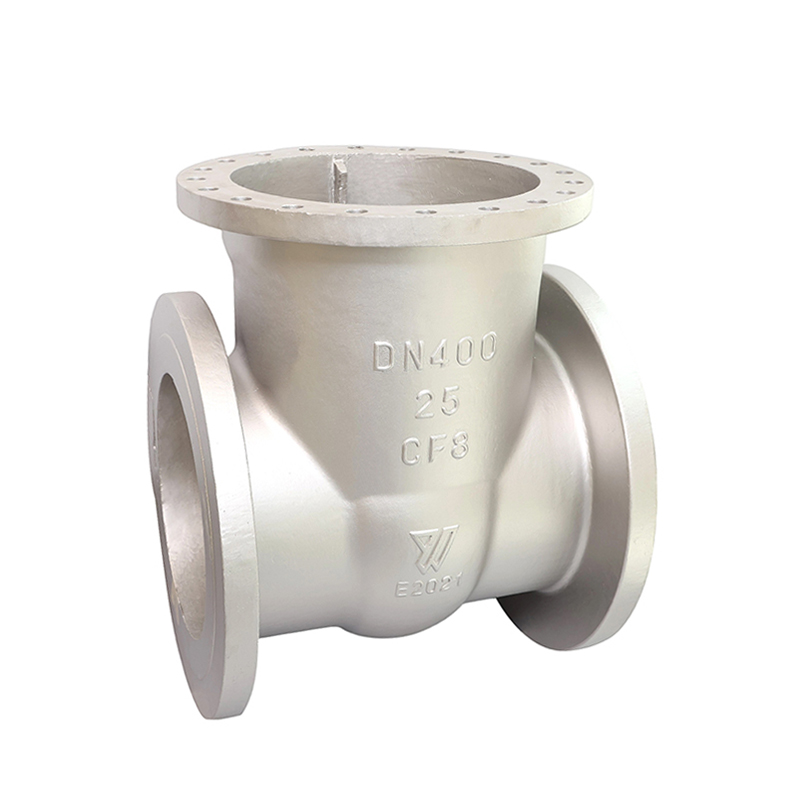
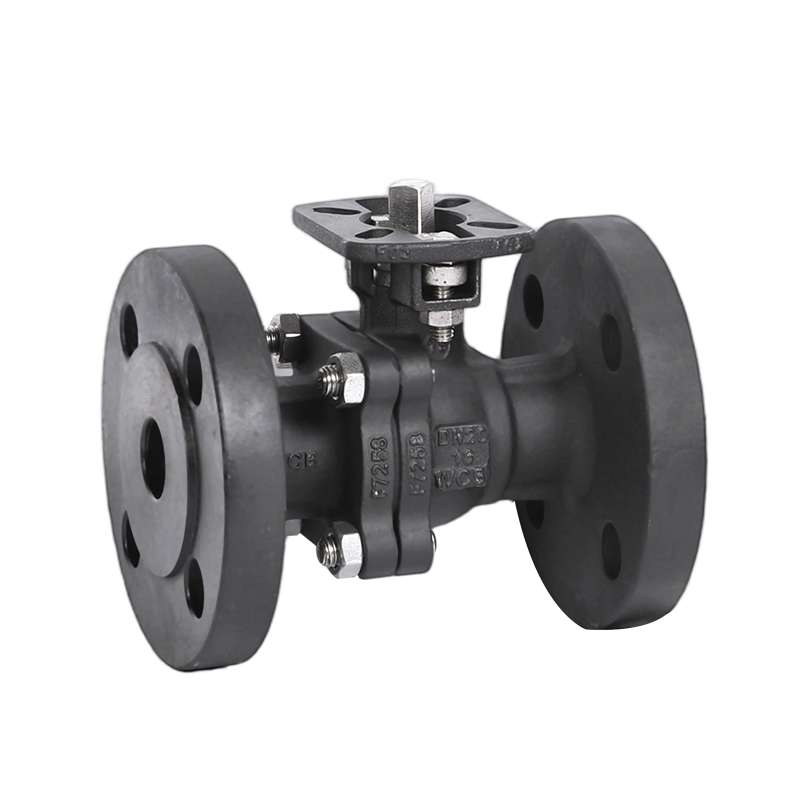
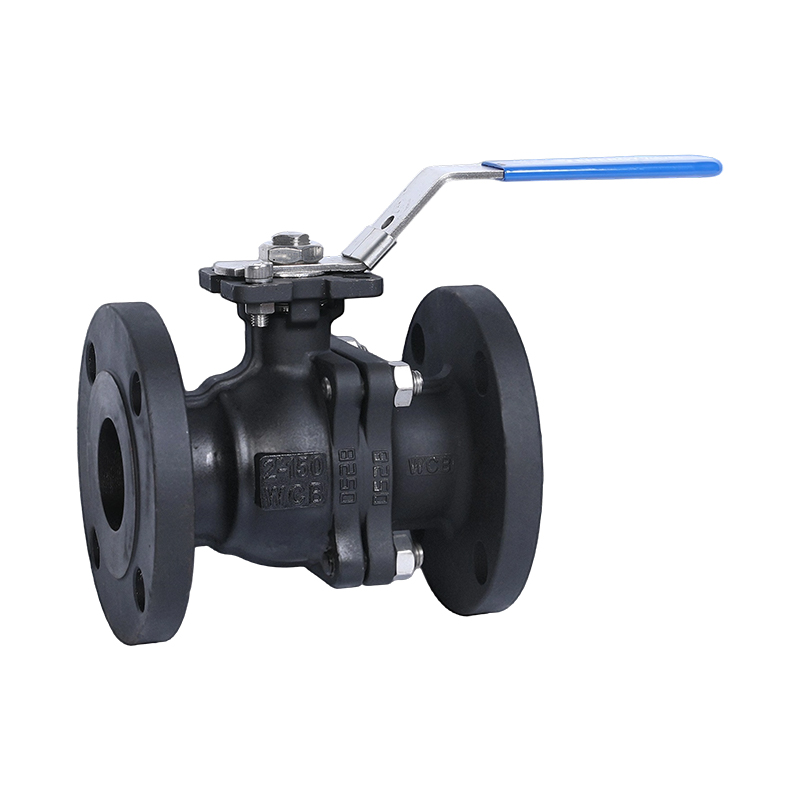
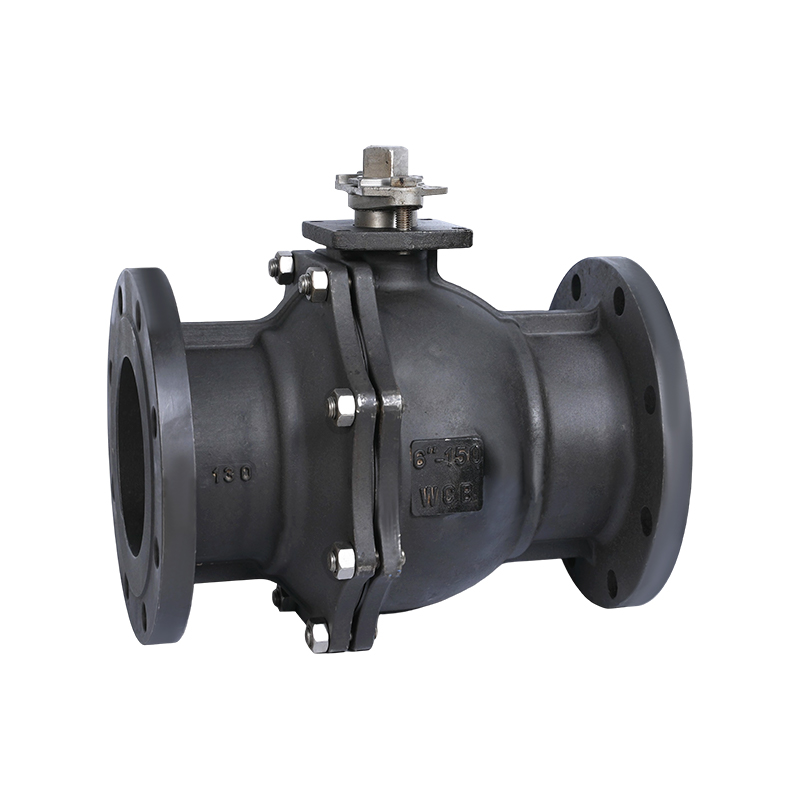
Applications of sand casting include industrial machinery parts, pump housings, valve bodies, and structural components. While sand casting may not achieve the same level of surface finish as investment casting, it allows for larger sizes and complex internal geometries.
Die Casting of Stainless Steel
Die casting involves injecting molten metal under high pressure into a reusable metal mold or die. While die casting is more commonly associated with non-ferrous metals, specialized stainless steel die casting techniques are used for certain industrial applications requiring precise dimensions and high repeatability.
Advantages of die casting stainless steel components include:
1. High Production Efficiency: Suitable for large-scale manufacturing.
2. Consistent Quality: Uniform dimensions and surface finish across parts.
3. Reduced Post-Processing: small machining required for finished components.
Die casting is often applied in the production of small to medium-sized stainless steel components for automotive, electronics, and industrial machinery industries. Its repeatable accuracy and cost-effectiveness make it a valuable choice for high-volume production.
Comparison of Casting Methods
Each stainless steel casting method has distinct strengths and limitations, making it important to select the process based on project requirements:
| Feature | Investment Casting | Sand Casting | Die Casting |
| Precision | High | Medium | High |
| Surface Finish | Good | Moderate | Good |
| Part Size | Small to Medium | Medium to Large | Small to Medium |
| Complexity | Intricate | Moderate | Moderate |
| Production Volume | Low to Medium | Low to Medium | High |
Investment casting excels in producing detailed and precise components, sand casting accommodates larger and more flexible designs, and die casting is ideal for high-volume production with consistent quality.
Material Considerations for Stainless Steel Casting
Different stainless steel grades can be used in casting depending on the application:
304 Stainless Steel: Widely used for corrosion resistance in general applications.
316 Stainless Steel: Offers enhanced resistance to chlorides and acidic environments.
Duplex Stainless Steel: Combines high strength with corrosion resistance for demanding applications.
Selecting the appropriate grade ensures that cast components perform reliably under the intended operating conditions, including temperature, pressure, and exposure to corrosive media.
Applications Across Industries
Stainless steel casting is widely used across multiple industries due to its durability, precision, and corrosion resistance:
Automotive: Engine components, brackets, and housings produced using precision casting.
Aerospace: Critical structural and mechanical components requiring high accuracy.
Oil and Gas: Valves, fittings, and pump parts for corrosive and high-pressure environments.
Chemical Processing: Components exposed to aggressive chemicals and high temperatures.
Food and Beverage: Hygienic valves, fittings, and equipment parts.
Industrial Machinery: Large structural parts and intricate mechanisms for various machines.
The versatility of stainless steel casting allows engineers to select the more suitable method for each component, optimizing performance, reliability, and cost.
Design Considerations for Stainless Steel Casting
Designing stainless steel cast components requires careful attention to:
1. Wall Thickness: Ensure uniform thickness to reduce defects like porosity or shrinkage.
2. Fillets and Radii: Avoid sharp corners to small stress concentration.
3. Draft Angles: Facilitate removal from molds, especially in investment and sand casting.
4. Surface Finish Requirements: Decide early whether secondary machining or polishing is necessary.
5. Tolerance Specifications: Tight tolerances may influence the choice between investment, sand, or die casting.
Proper design ensures casting reliability, reduces material waste, and improves overall production efficiency.
Quality Control and Inspection
Quality control is essential in stainless steel casting to ensure that components meet specifications and perform reliably:
Dimensional Inspection: Verifying part dimensions with calipers, CMMs, or laser scanning.
Non-Destructive Testing (NDT): Techniques like X-ray, ultrasonic, or dye penetrant testing detect internal or surface defects.
Surface Finish Inspection: Ensures smoothness and adherence to required tolerances.
Material Verification: Confirms chemical composition and mechanical properties meet industry standards.
Consistent quality control guarantees that stainless steel castings maintain performance and longevity across industrial applications.
Conclusion
Stainless steel investment sand and die casting provide versatile solutions for producing components with varying sizes, complexity, and production volumes. By selecting the appropriate casting method and stainless steel grade, engineers can ensure durability, corrosion resistance, and cost-efficiency across industries ranging from automotive and aerospace to chemical processing and food production. Proper design, material selection, and quality control practices further enhance the reliability and performance of stainless steel cast components, making them essential in modern manufacturing.

CONTACT INFO
 [email protected]
[email protected] +86-13857761200
 +86-0577-86566777
 No. 199, Baiyu Road, Binhai Park, Wenzhou, Zhejiang, China.
Copyright© Zhejiang Lizhi Metal Products Technology Co., Ltd. All Rights Reserved.

China Stainless Steel Valves