

Call us: +86-13857761200

Email us:[email protected]
 Get a quote

 EN
EN 
 English
 中文简体
中文简体 Español
 русский
Submit feedback
Butterfly Valves Manufacturers


About Us
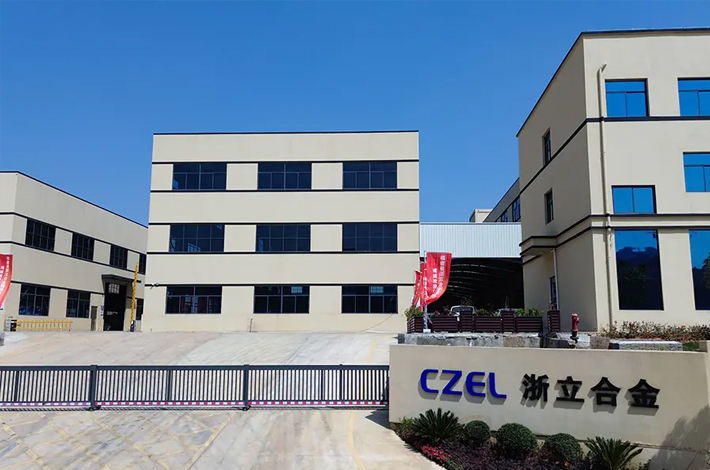
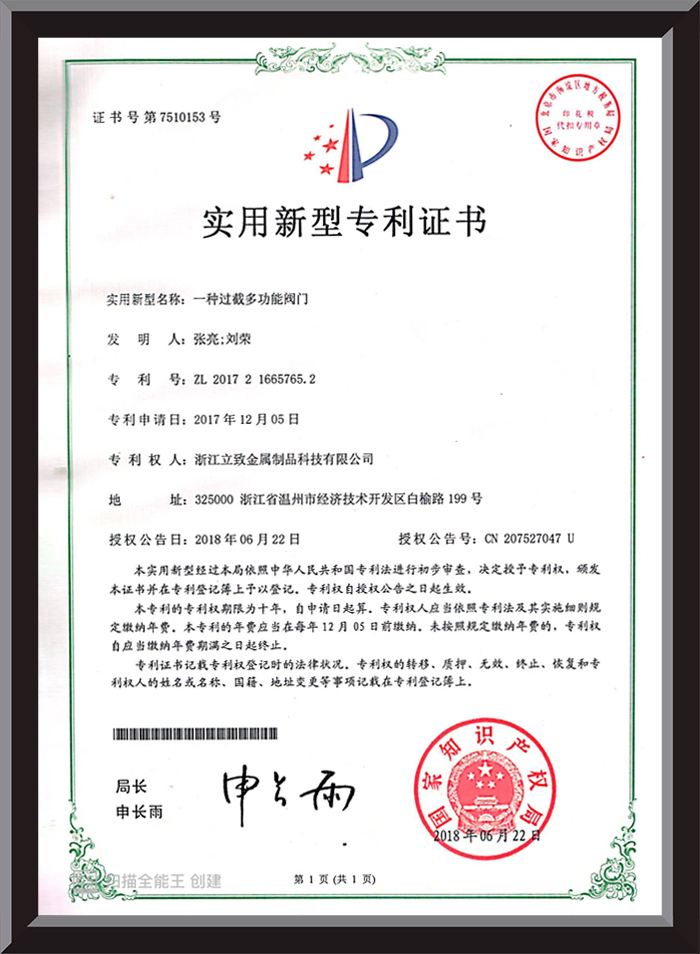
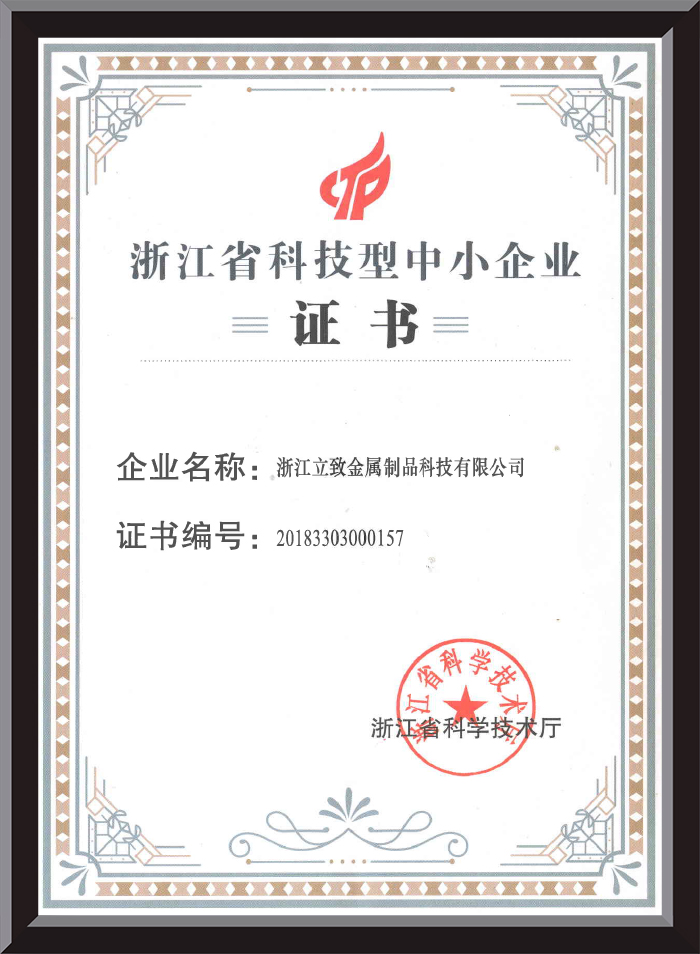
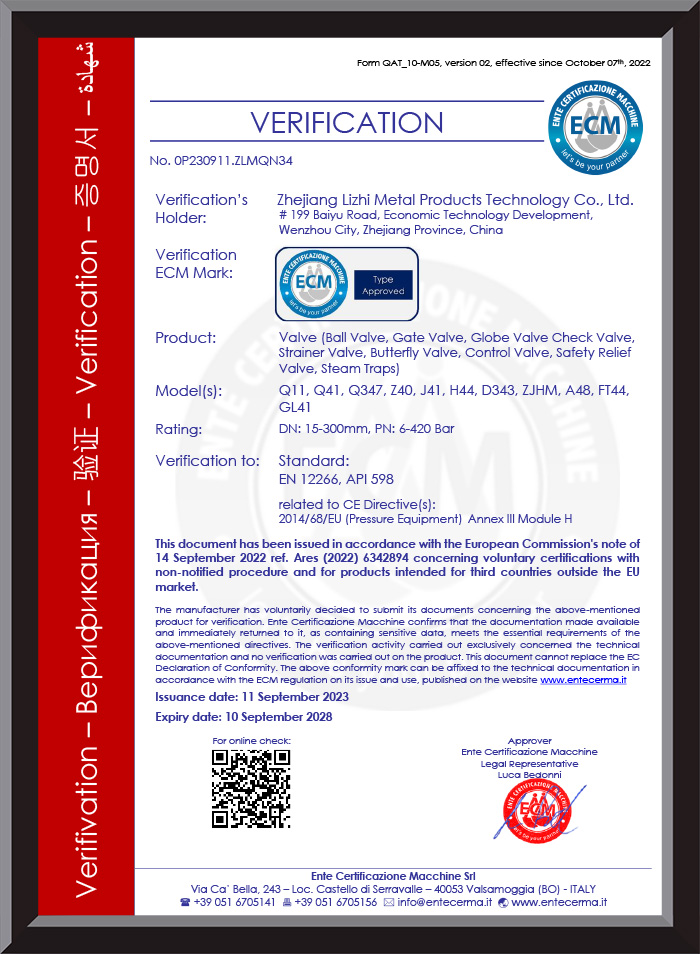
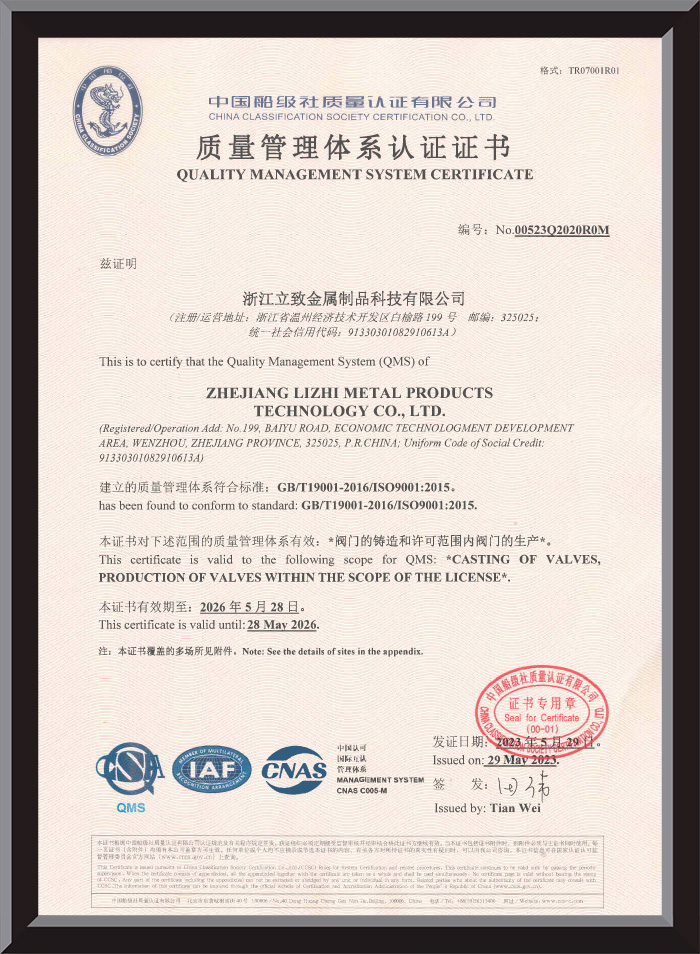
After more than 20 years of hard work, the company has strong technical strength and has established a production, learning and research integration with major domestic universities, forming its own product characteristics and technical advantages. The company mainly produces various precision castings and valve products such as valves, pumps, auto parts, marine parts, hardware and engineering machinery parts. The main materials are: austenitic stainless steel, carbon steel, duplex steel, nickel-based alloy, high silicon alloy, titanium alloy, etc. The annual output of various stainless steel castings is 8,000 tons (production capacity 12,000 tons/year). The company fully implements TUV: ISO9001-2015 and EU CE certification system management, and introduces 6S performance management lean production.
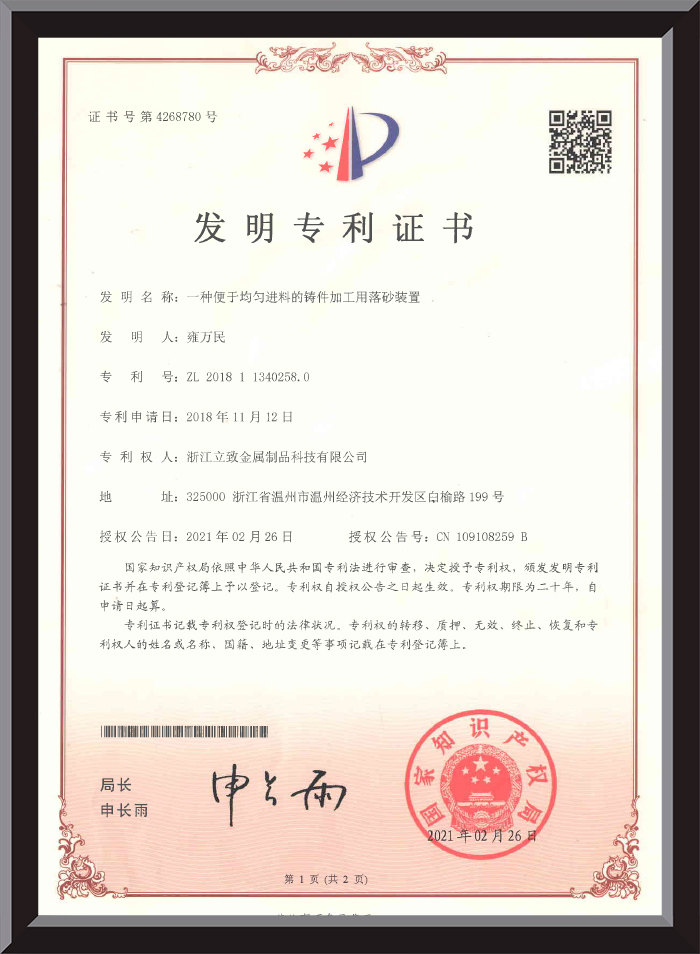
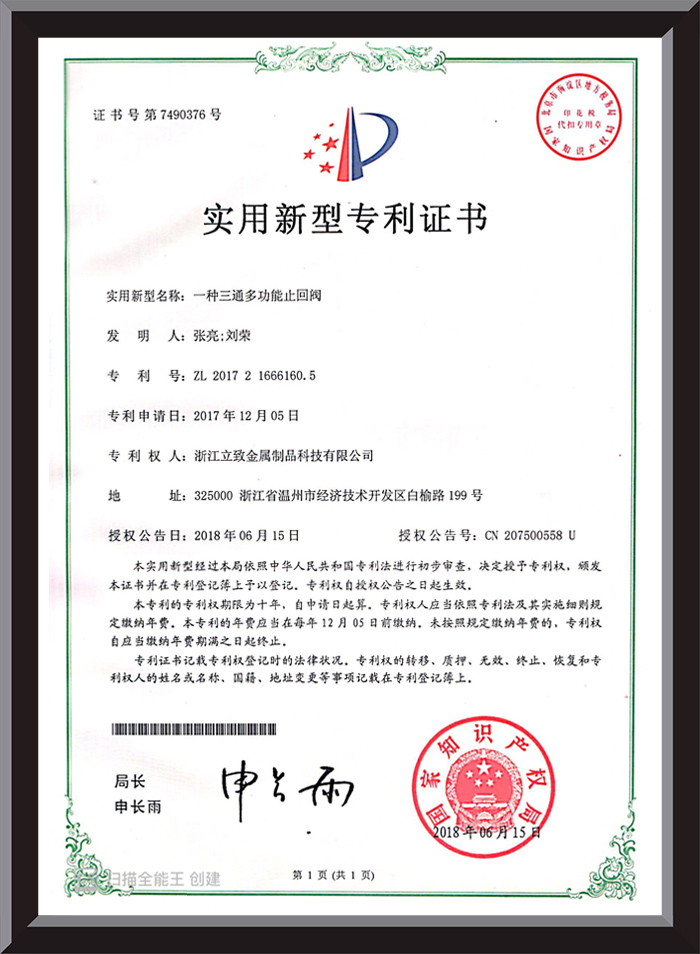
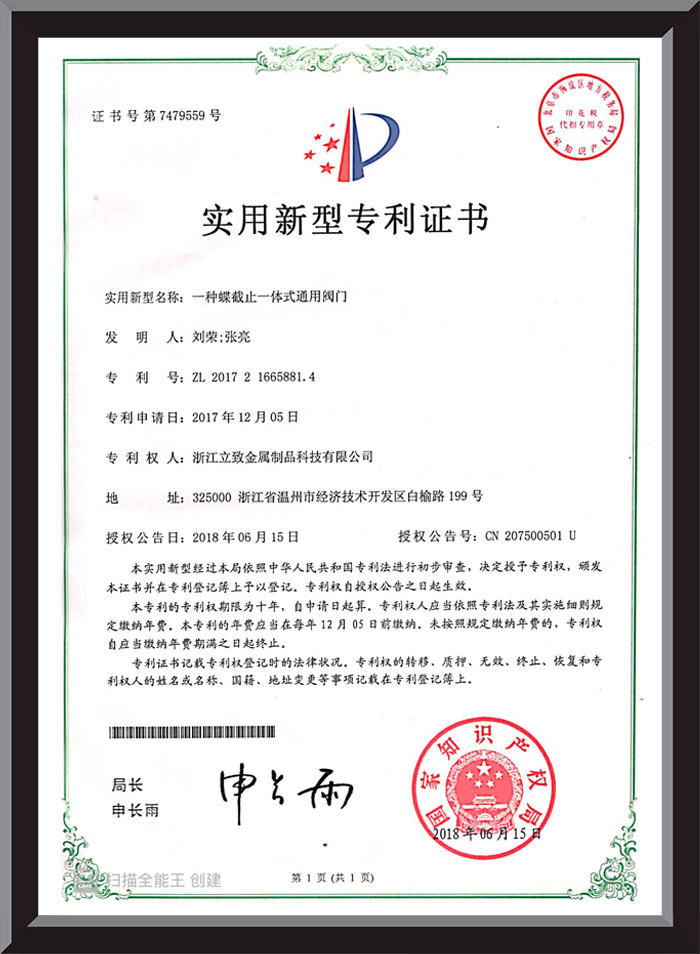
Certificate of Honor
Latest News
-
Industry News 2026-07-03
As industrial automation continues to expand across sectors such as water treatment, chemical processing, food manu...
Read More -
Industry News 2026-06-26
Energy efficiency has become one of the most discussed topics across industrial sectors in 2025. Whether in water t...
Read More -
Industry News 2026-06-19
As industries continue investing in automation, energy efficiency, and smarter production lines, reliability has be...
Read More -
Industry News 2026-06-12
Across global industrial sectors such as petrochemical processing, water treatment, HVAC systems, and energy infras...
Read More -
Industry News 2026-06-05
As global industries continue to expand in petrochemical processing, water treatment, power generation, and manufac...
Read More
Contact Us Now
Industry knowledge
Butterfly valves are quarter-turn valves used to regulate, isolate, or throttle the flow of liquids and gases in piping systems. They feature a rotating disc mounted on a central shaft, which opens or closes to control flow with small space requirements. Butterfly valves are commonly made from materials such as stainless steel, cast iron, or aluminum, providing corrosion resistance, durability, and reliable performance. Known for their simple design, quick operation, and compact size, butterfly valves offer efficient flow control, low maintenance, and long service life in a variety of industrial applications.
Durable Stainless Steel Valves for Water and Chemical Systems
Stainless steel butterfly valves are widely used in piping systems to regulate, isolate, or control the flow of liquids and gases. The valve consists of a rotating disc mounted on a central shaft, which turns a quarter circle to open or close the flow path. Stainless steel construction provides corrosion resistance, durability, and strength, making these valves suitable for various industrial applications.
These valves are commonly applied in water treatment, chemical processing, food and beverage production, and industrial manufacturing systems. The quarter-turn design allows for rapid operation, and the disc mechanism ensures smooth flow control with small pressure drop. Stainless steel butterfly valves can handle a wide range of fluids, including water, oils, and mild chemicals, while maintaining reliable performance over time.
The design of stainless steel butterfly valves emphasizes simplicity, compactness, and ease of installation. They are often lighter and more space-efficient than other types of valves, making them suitable for systems with limited room. Regular inspection and maintenance, such as checking the disc and seat for wear or deposits, helps maintain good performance and extend service life.
Quality assurance is an important aspect of manufacturing stainless steel butterfly valves. Components are tested for dimensional accuracy, sealing performance, and material integrity to ensure reliable operation. Proper installation, operation, and maintenance further contribute to consistent performance and longevity.
In conclusion, stainless steel butterfly valves offer efficient flow control, corrosion resistance, and compact design. Their durability, reliable operation, and suitability for a variety of fluids make them practical components for industrial and commercial piping systems.
Flow Regulation and Isolation Solutions with Metal Butterfly Valves
Metal butterfly valves are mechanical devices designed to control the flow of liquids and gases in piping systems. They feature a disc mounted on a central shaft that rotates a quarter turn to open or close the flow path, providing efficient flow regulation. These valves are typically manufactured from metals such as carbon steel, stainless steel, or alloyed materials, offering strength, durability, and resistance to corrosion.
Metal butterfly valves are used in industries such as water treatment, chemical processing, power generation, and general manufacturing. Their compact design allows for installation in tight spaces, while the quarter-turn operation enables quick and convenient control of flow. The disc mechanism ensures small pressure drop when the valve is fully open, maintaining system efficiency.
The design of metal butterfly valves emphasizes robustness and reliability. The valve body, disc, and shaft are engineered to provide secure sealing, smooth operation, and long-term performance. Maintenance includes periodic inspection of the disc, seat, and shaft components to prevent wear or corrosion and ensure continued reliability.
These valves are suitable for regulating, isolating, or throttling flow in medium- to low-pressure systems. Their versatility allows them to handle water, oils, steam, and various chemical fluids effectively. Quality control during manufacturing includes dimensional inspection, material verification, and pressure testing to ensure consistent performance and operational safety.
In summary, metal butterfly valves combine compact design, durable materials, and reliable operation to provide practical solutions for flow control. They are suitable for a wide range of industrial applications requiring efficient, long-lasting valve performance.

CONTACT INFO
 [email protected]
[email protected] +86-13857761200
 +86-0577-86566777
 No. 199, Baiyu Road, Binhai Park, Wenzhou, Zhejiang, China.
Copyright© Zhejiang Lizhi Metal Products Technology Co., Ltd. All Rights Reserved.

Stainless Steel Butterfly Valves in China