

Call us: +86-13857761200

Email us:[email protected]
 Get a quote

 EN
EN 
 English
 中文简体
中文简体 Español
 русский
Submit feedback
Industry News
 Home / News / Industry News / Why Are Industrial Piping Systems Facing More Failure Risks in High-Pressure and Frequent-Cycle Applications?
 Why Are Industrial Piping Systems Facing More Failure Risks in High-Pressure and Frequent-Cycle Applications?
 2026.06.12
 Industry News
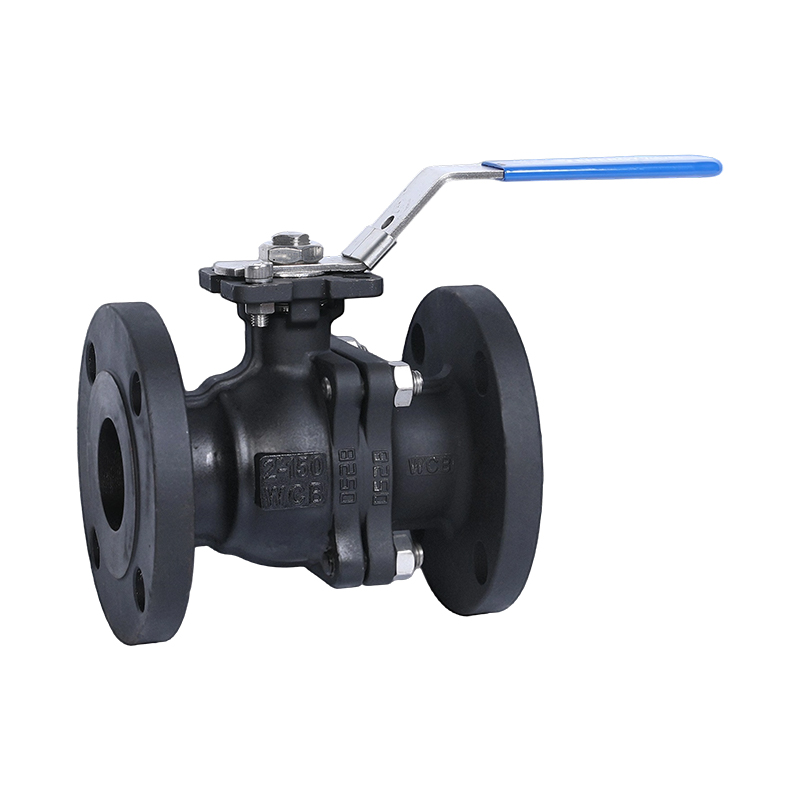
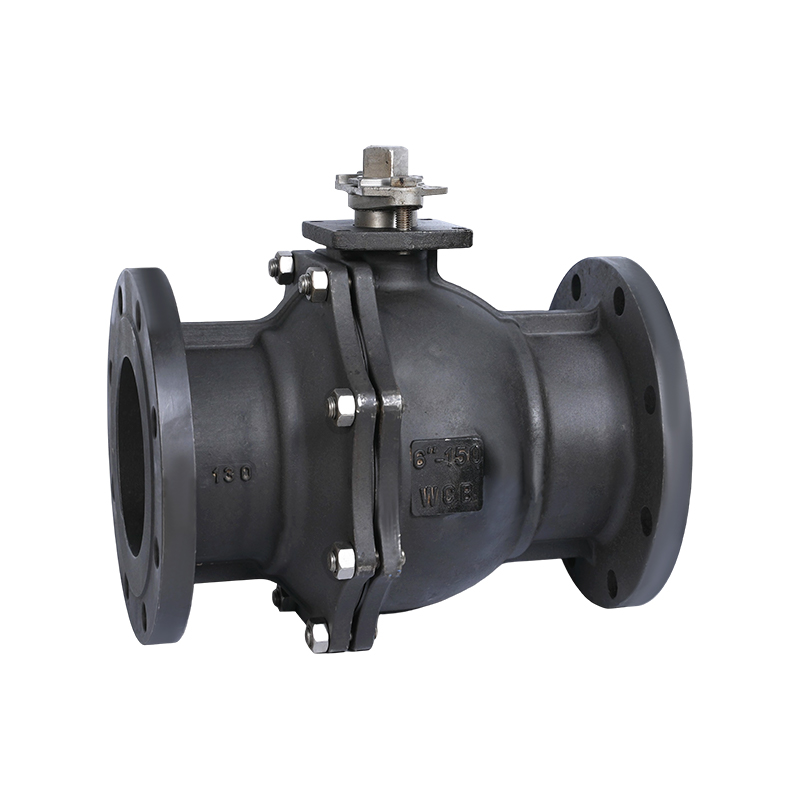
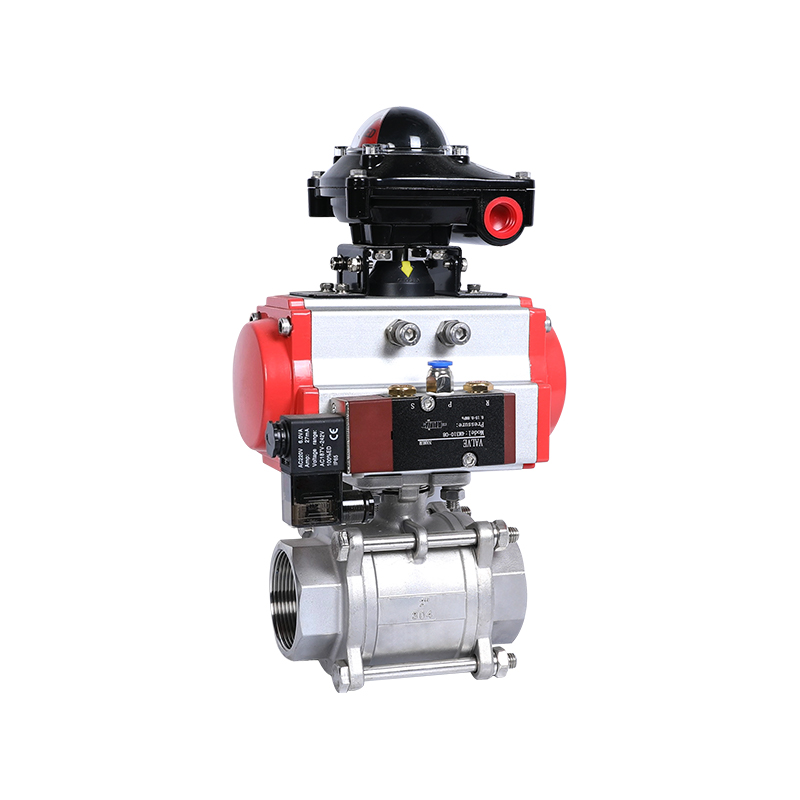
Across global industrial sectors such as petrochemical processing, water treatment, HVAC systems, and energy infrastructure, engineers are reporting increasing challenges in maintaining stable flow control under high-frequency operation and fluctuating pressure conditions. These issues are driving more technical discussions around valve durability, sealing performance, and installation structure optimization. As a result, procurement teams are paying closer attention to solutions like High Platform Ball Valve systems and precision-engineered Flanged Ball Valve designs to improve long-term operational stability.
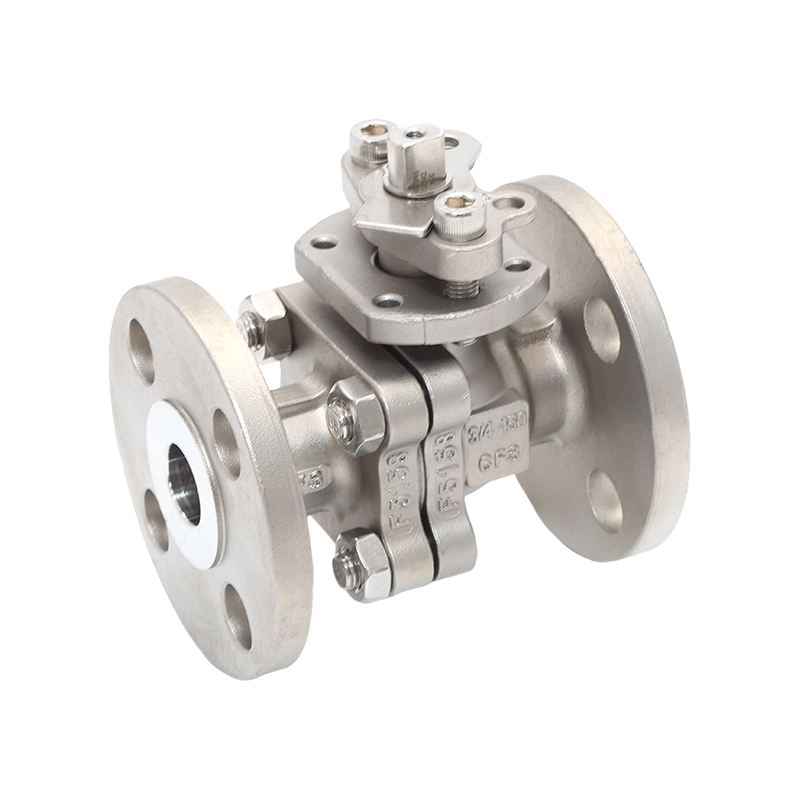
Recent search trends from engineering communities also show rising interest in terms such as “anti-leakage ball valve design,” “high-cycle valve fatigue resistance,” “pipeline maintenance reduction,” and “flanged connection reliability under vibration.” These reflect a clear shift toward solving real operational pain points rather than only comparing basic specifications.
Frequent Operation Cycles Are Accelerating Valve Wear Issues
In many industrial systems, valves are required to open and close thousands of times during continuous production cycles. This frequent operation creates mechanical stress that traditional valve designs may not fully handle over long service periods.
Common wear-related problems include:
- Seat deformation under repeated pressure cycles
- Increased leakage risk after long-term operation
- Handle or actuator loosening due to vibration
- Reduced sealing efficiency in high-temperature conditions
- Uneven torque distribution during operation
These issues can lead to unexpected downtime and increased maintenance workloads.
System Vibration Is Becoming a Hidden Engineering Challenge
Modern industrial piping systems often operate in environments with significant vibration sources, such as pumps, compressors, and high-flow fluid movement. Over time, vibration can negatively impact valve performance and connection stability.
Key engineering concerns include:
- Flange joint loosening under continuous vibration
- Micro-leakage developing at sealing interfaces
- Fatigue stress on valve body connections
- Reduced alignment accuracy in pipeline assembly
- Accelerated gasket aging due to movement
This is pushing engineers to prioritize more structurally stable valve configurations.
Installation Structure Plays a Critical Role in Long-Term Performance
Many valve performance issues are not caused by the valve itself but by improper installation structure or lack of system support. Engineers are increasingly focusing on mounting design and pipeline integration methods.
Modern installation considerations include:
- Stable elevated mounting for better stress distribution
- Reduced pipeline bending stress at connection points
- Proper alignment between valve and flange system
- Support structures for heavy-duty pipeline segments
- Easier access for maintenance and inspection
A well-designed installation structure can significantly extend system lifespan.
Sealing Reliability Is Now a Primary Procurement Concern
With stricter environmental and safety regulations, leakage prevention has become a top priority in industrial valve selection. Even minor leakage can lead to safety risks and operational losses.
Key sealing performance requirements include:
- High-pressure resistance sealing structure
- Stable performance under thermal expansion conditions
- Chemical resistance for corrosive media applications
- Long-term elasticity retention of sealing materials
- Reduced maintenance frequency for seal replacement
These requirements are driving innovation in sealing system design and materials.
Material Selection Is Directly Impacting Valve Service Life
Industrial buyers are paying closer attention to the material composition of valve bodies, internal components, and sealing systems. Material selection now plays a central role in lifecycle performance.
Common material-focused improvements include:
- Corrosion-resistant stainless steel construction
- Reinforced alloy materials for high-pressure environments
- Anti-wear internal surface treatments
- Heat-resistant sealing material combinations
- Improved machining precision for better fit
These upgrades help ensure stable performance in demanding industrial environments.
Maintenance Efficiency Is Becoming a Key Design Requirement
Industrial operators are under pressure to reduce downtime and maintenance complexity. As a result, valve systems are now expected to support faster inspection and easier servicing.
Maintenance-related improvements include:
- Simplified disassembly structures
- Modular replacement of sealing components
- Clear maintenance access points
- Reduced need for full pipeline shutdown
- Standardized component compatibility
Efficient maintenance design directly reduces operational costs and downtime risk.
Future Valve Systems Will Focus on Stability, Efficiency, and Smart Integration
The industrial valve market is moving toward smarter, more durable, and more maintenance-friendly solutions. Engineers are increasingly looking for systems that can combine mechanical reliability with long-term operational intelligence.
Future trends include:
- Higher fatigue-resistant structural designs
- Improved vibration-adaptive connection systems
- Smarter predictive maintenance integration
- Enhanced sealing materials for extreme conditions
- Modular pipeline system compatibility
As industrial systems continue to evolve toward higher efficiency and automation, advanced High Platform Ball Valve solutions and precision-engineered Flanged Ball Valve systems will remain essential components in ensuring safe, stable, and long-term reliable pipeline operations across global industries.

CONTACT INFO
 [email protected]
[email protected] +86-13857761200
 +86-0577-86566777
 No. 199, Baiyu Road, Binhai Park, Wenzhou, Zhejiang, China.
Copyright© Zhejiang Lizhi Metal Products Technology Co., Ltd. All Rights Reserved.

China Stainless Steel Valves