

Call us: +86-13857761200

Email us:[email protected]
 Get a quote

 EN
EN 
 English
 中文简体
中文简体 Español
 русский
Submit feedback
Auto Parts Castings Manufacturers

CATEGORIES

Auto Parts Castings
We manufacture precision-cast automotive and motorcycle components with nice thermal and mechanical properties. Our product range includes turbocharger housings, exhaust manifolds, brake calipers, suspension brackets, engine mounts, and other structural parts.
These parts are crafted using high-temperature-resistant and wear-resistant alloys such as heat-treated steel, stainless steel, and aluminum alloys, ensuring lightweight durability, nice fatigue strength, and dimensional stability even under extreme operating conditions.
Leveraging advanced simulation, molding, and finishing techniques, we meet the demanding standards of the automotive and motorcycle industries, offering OEM and ODM solutions that help improve fuel efficiency, performance, and longevity.
-
Precision Automotive & Motorcycle Parts Castings
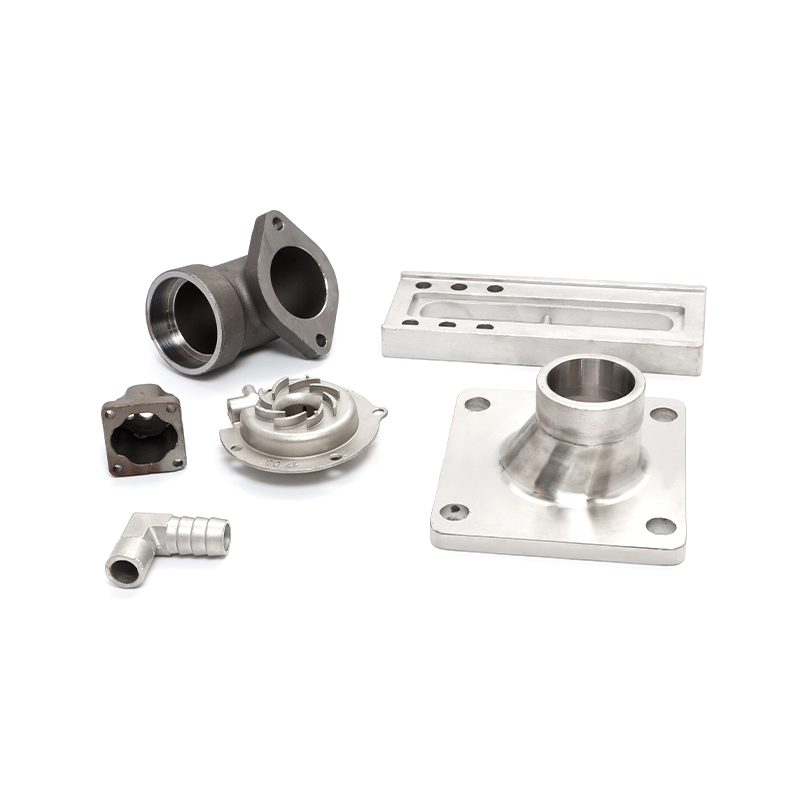
Details:
Precision castings for automotive and motorcycle applications are engineered to ...View More
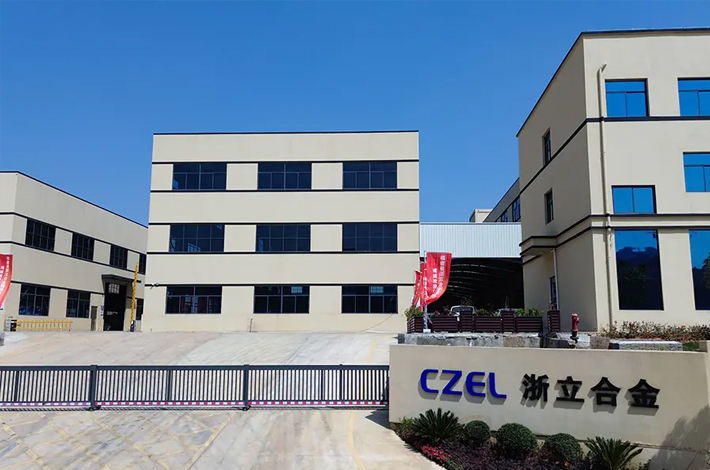
About Us
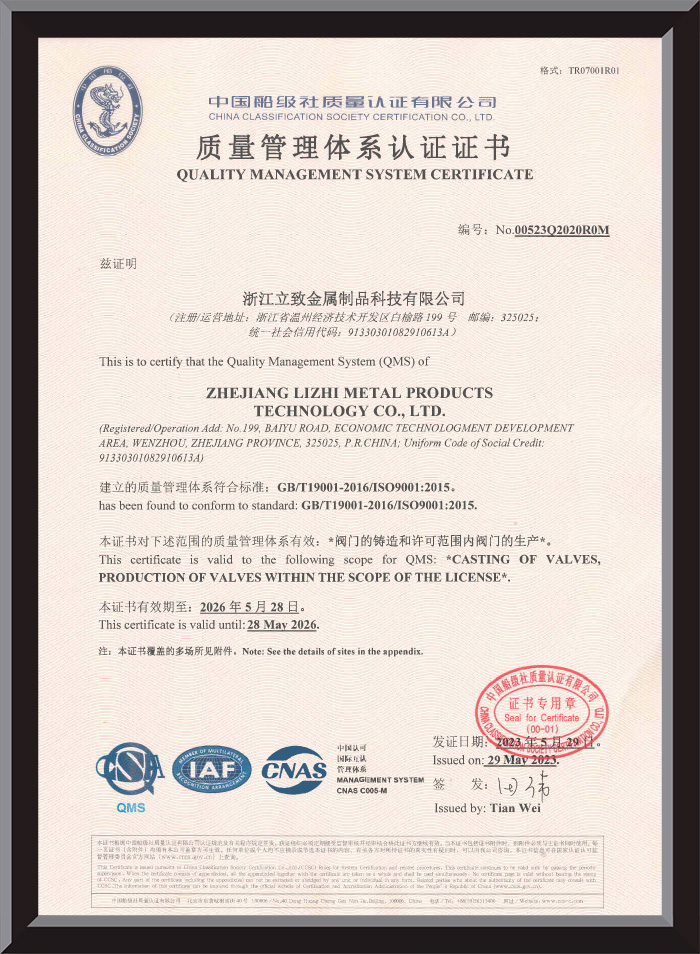
After more than 20 years of hard work, the company has strong technical strength and has established a production, learning and research integration with major domestic universities, forming its own product characteristics and technical advantages. The company mainly produces various precision castings and valve products such as valves, pumps, auto parts, marine parts, hardware and engineering machinery parts. The main materials are: austenitic stainless steel, carbon steel, duplex steel, nickel-based alloy, high silicon alloy, titanium alloy, etc. The annual output of various stainless steel castings is 8,000 tons (production capacity 12,000 tons/year). The company fully implements TUV: ISO9001-2015 and EU CE certification system management, and introduces 6S performance management lean production.
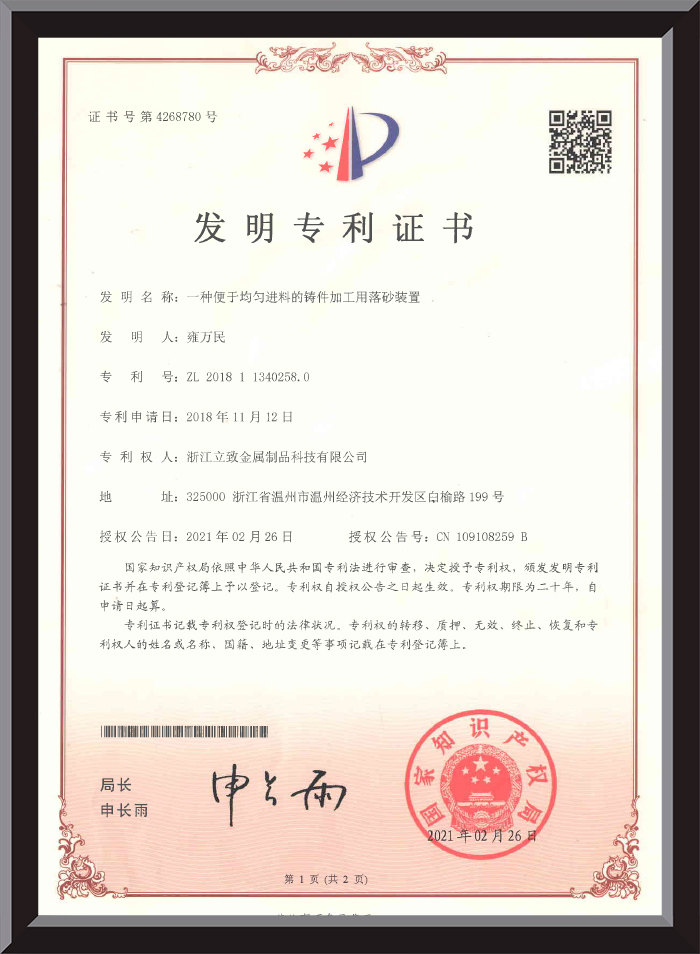
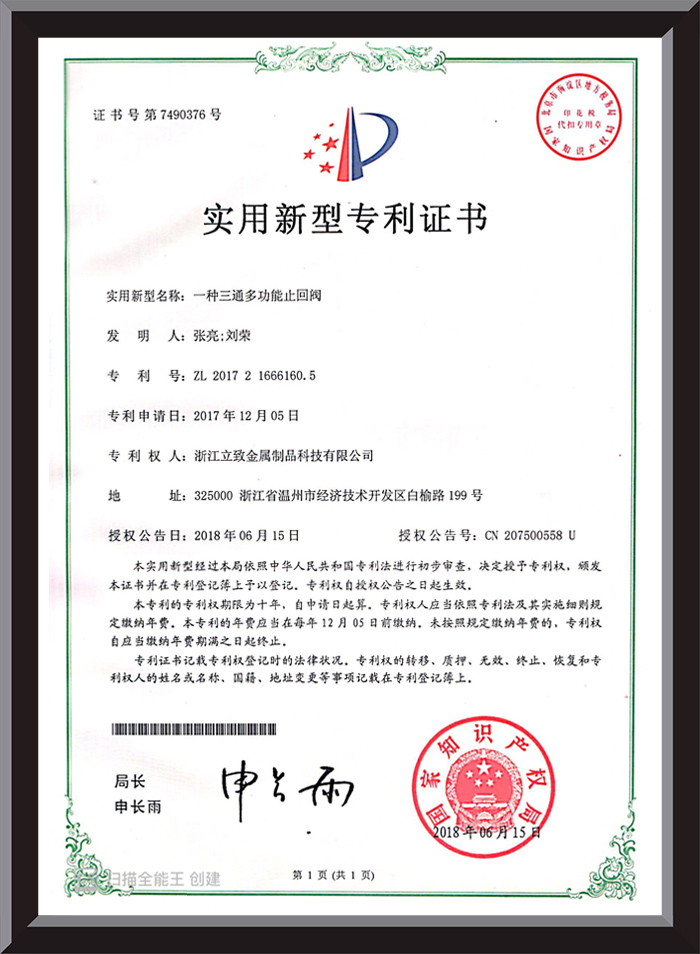
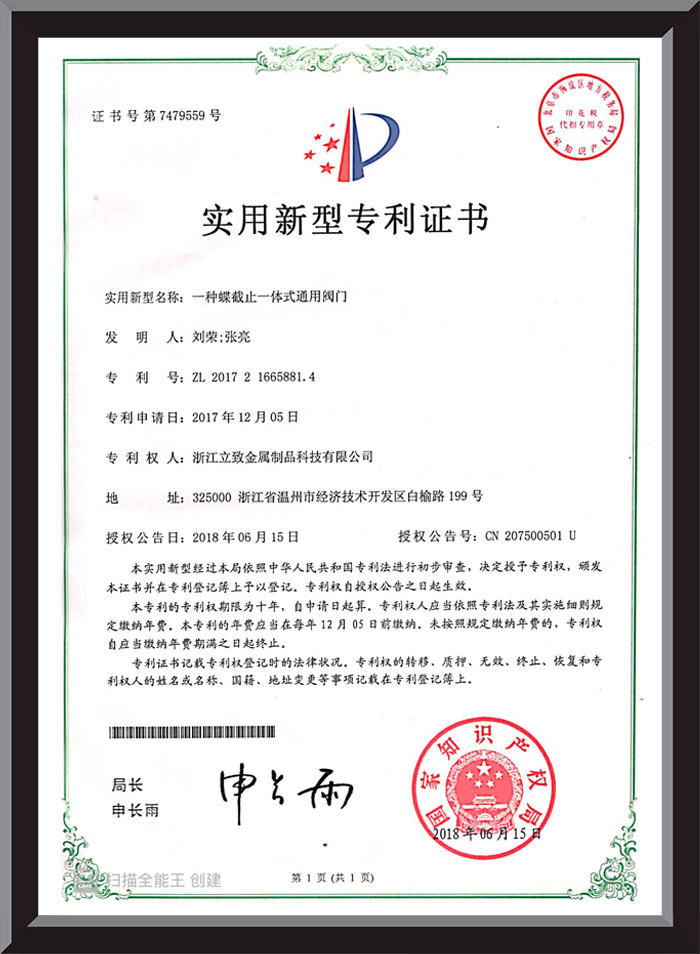
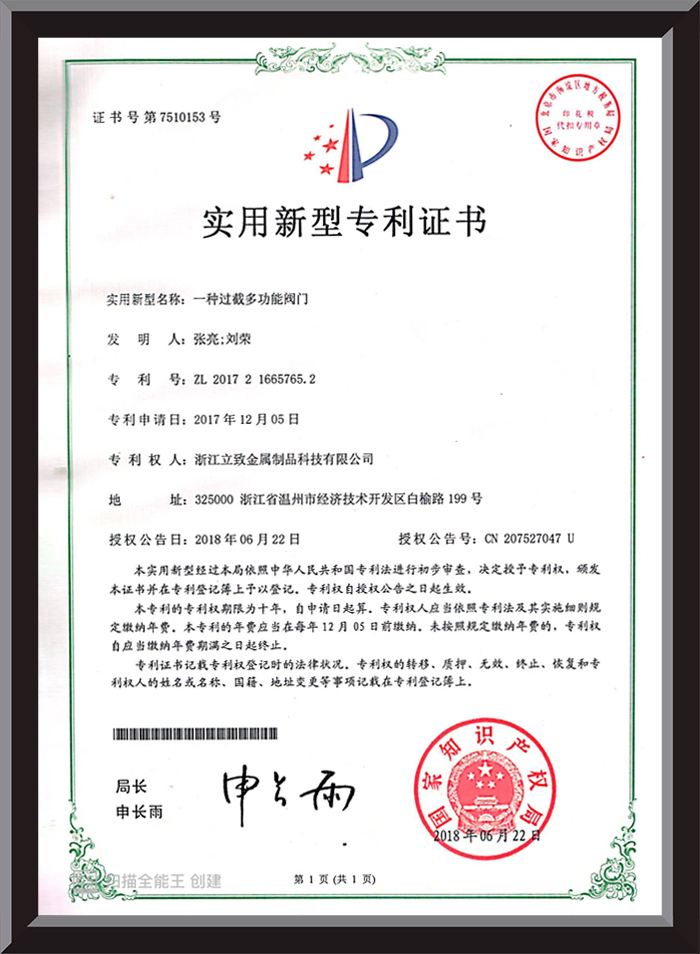
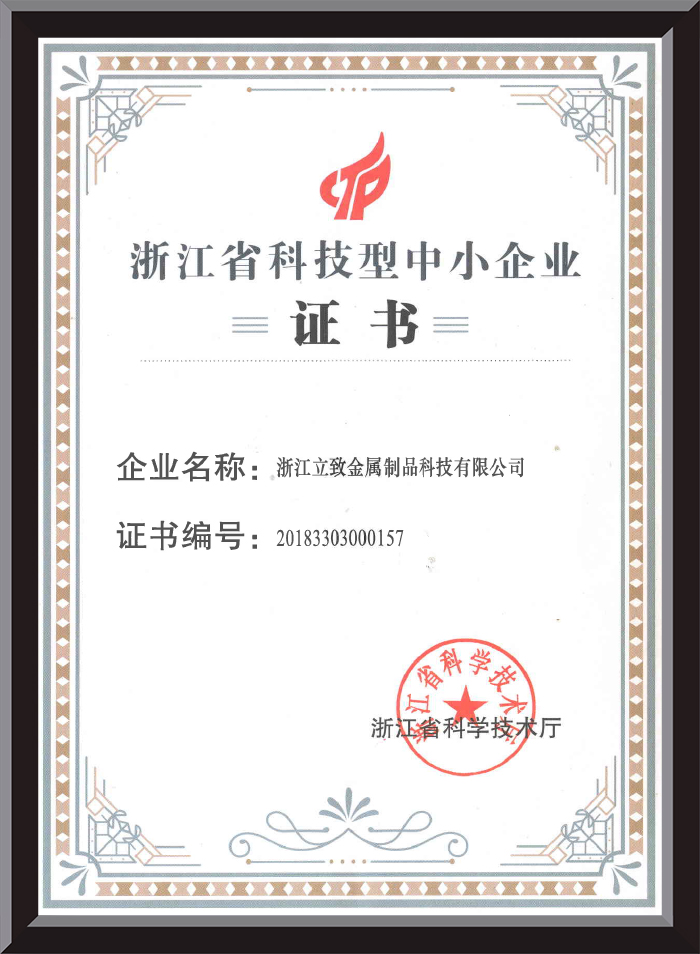
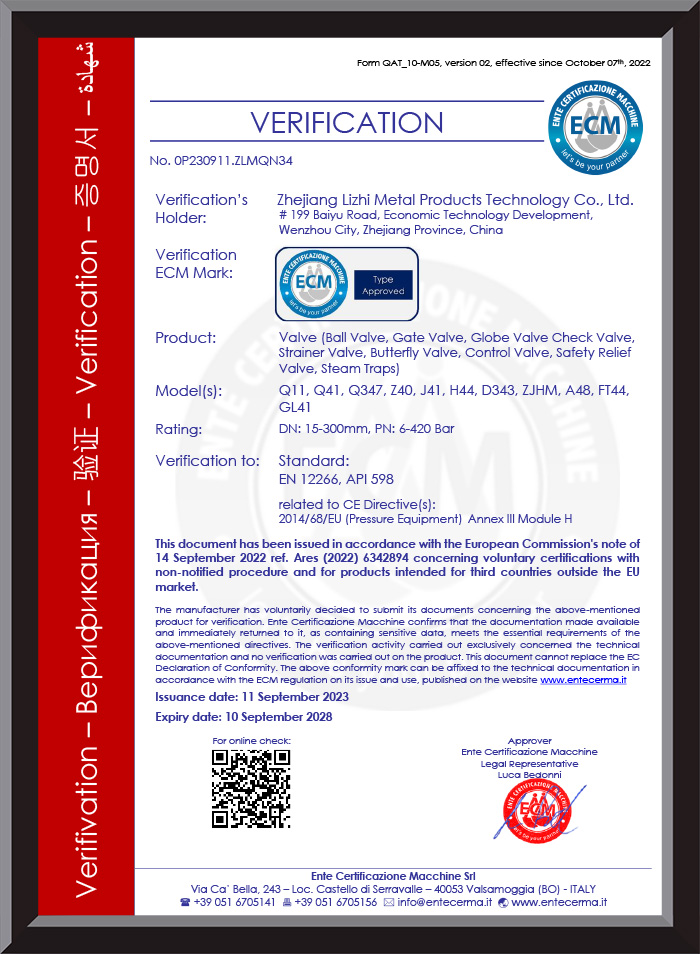
Certificate of Honor
Latest News
-
Industry News 2026-07-17
Large industrial pipeline projects require reliable flow control components that can operate under demanding condit...
Read More -
Industry News 2026-07-10
As industrial pipeline systems become more complex, engineers and purchasing teams are paying closer attention to v...
Read More -
Industry News 2026-07-03
As industrial automation continues to expand across sectors such as water treatment, chemical processing, food manu...
Read More -
Industry News 2026-06-26
Energy efficiency has become one of the most discussed topics across industrial sectors in 2025. Whether in water t...
Read More -
Industry News 2026-06-19
As industries continue investing in automation, energy efficiency, and smarter production lines, reliability has be...
Read More
Contact Us Now
Industry knowledge
Auto parts castings are precision-engineered metal components created through specialized casting techniques to meet the exacting demands of modern vehicles. These castings form essential structures such as engine blocks, transmission housings, suspension components, and brake parts, combining strength, durability, and lightweight design. Auto parts castings enable manufacturers to balance performance, safety, and efficiency while reducing assembly complexity. Their versatility makes them indispensable in automotive engineering, supporting innovations in fuel efficiency, emission control, and overall vehicle reliability. These castings form the backbone of modern vehicle design, delivering both functional and structural excellence.
Complex Geometries Made Simple with Stainless Steel Castings
Stainless steel cast parts are metal components produced through casting processes, widely used in applications requiring corrosion resistance, mechanical strength, and durability. The production begins with creating a mold, often using sand or ceramic materials, into which molten stainless steel is poured. Once the metal solidifies, the mold is removed, and the casting undergoes finishing operations such as machining, grinding, and polishing to achieve precise dimensions and smooth surfaces.
Stainless steel cast parts are valued for their ability to withstand harsh environments, including exposure to moisture, chemicals, and moderate heat. They are commonly used in industries such as chemical processing, food and beverage equipment, marine engineering, and machinery manufacturing. Components like pump housings, valve bodies, fittings, and structural parts benefit from the material’s strength and resistance to oxidation.
The casting process allows for complex geometries and integrated features that reduce assembly steps and machining requirements. Proper control of the casting parameters ensures uniformity, structural integrity, and dimensional accuracy. Stainless steel cast parts combine functionality, durability, and aesthetic appeal, making them suitable for both critical structural applications and equipment where hygiene or chemical resistance is required.
Creating Intricate Industrial Parts Through Investment Casting
Investment casting parts are precision components produced using the lost wax casting method, which allows for detailed and complex shapes with high dimensional accuracy. The process begins with creating a wax model of the part, which is coated with a ceramic slurry to form a strong mold. Once the ceramic shell hardens, the wax is melted out, leaving a cavity for molten metal. The metal, such as steel, stainless steel, or aluminum, is poured into the mold, and after cooling, the ceramic shell is removed to reveal the finished part.
Investment casting parts are precision metal components created using the lost wax method, which allows for intricate shapes and tight tolerances. A wax model is coated with ceramic to form a mold, the wax is removed, and molten metal is poured in. These parts offer high accuracy, smooth surfaces, and small machining.
Investment casting parts are widely used in industries that require intricate designs and precise tolerances, including aerospace, automotive, machinery, and energy sectors. Components such as turbine blades, valve bodies, impellers, and decorative hardware are commonly manufactured using this method.
The main advantages of investment casting include the ability to produce complex geometries, smooth surfaces, and small material waste. Post-casting operations such as heat treatment, machining, and surface finishing further enhance strength, durability, and dimensional consistency. Investment casting parts provide reliable performance while reducing production steps, making them a preferred choice for applications where precision, functionality, and structural integrity are essential.

CONTACT INFO
 [email protected]
[email protected] +86-13857761200
 +86-0577-86566777
 No. 199, Baiyu Road, Binhai Park, Wenzhou, Zhejiang, China.
Copyright© Zhejiang Lizhi Metal Products Technology Co., Ltd. All Rights Reserved.

Wholesale Stainless Steel Cast Parts