

Call us: +86-13857761200

Email us:[email protected]
 Get a quote

 EN
EN 
 English
 中文简体
中文简体 Español
 русский
Submit feedback
Industry News
 Home / News / Industry News / Could the Wrong Valve Selection Be Increasing Energy Loss in Your Piping System?
 Could the Wrong Valve Selection Be Increasing Energy Loss in Your Piping System?
 2026.06.26
 Industry News
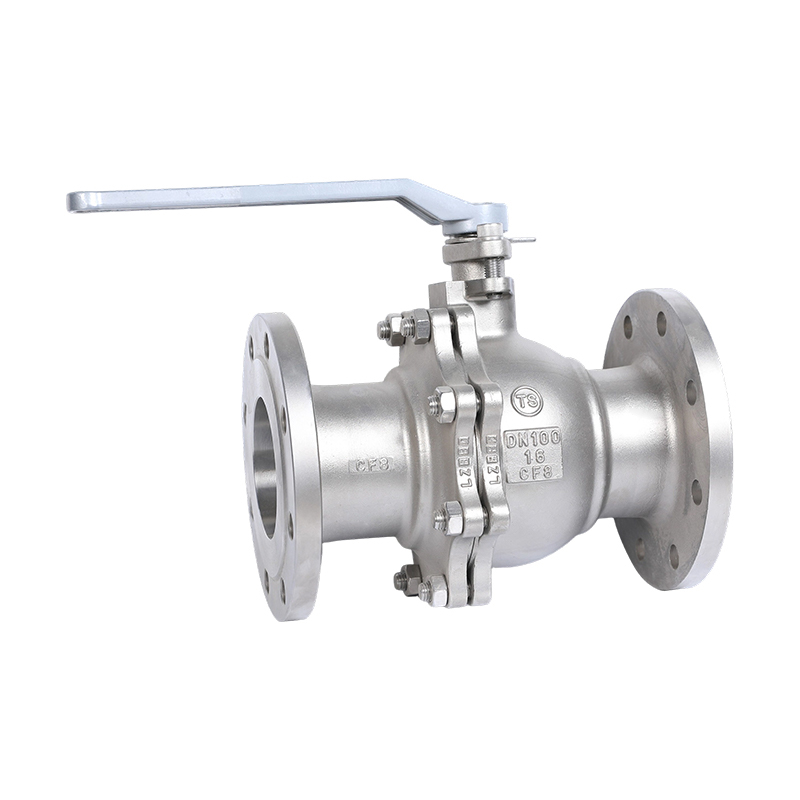
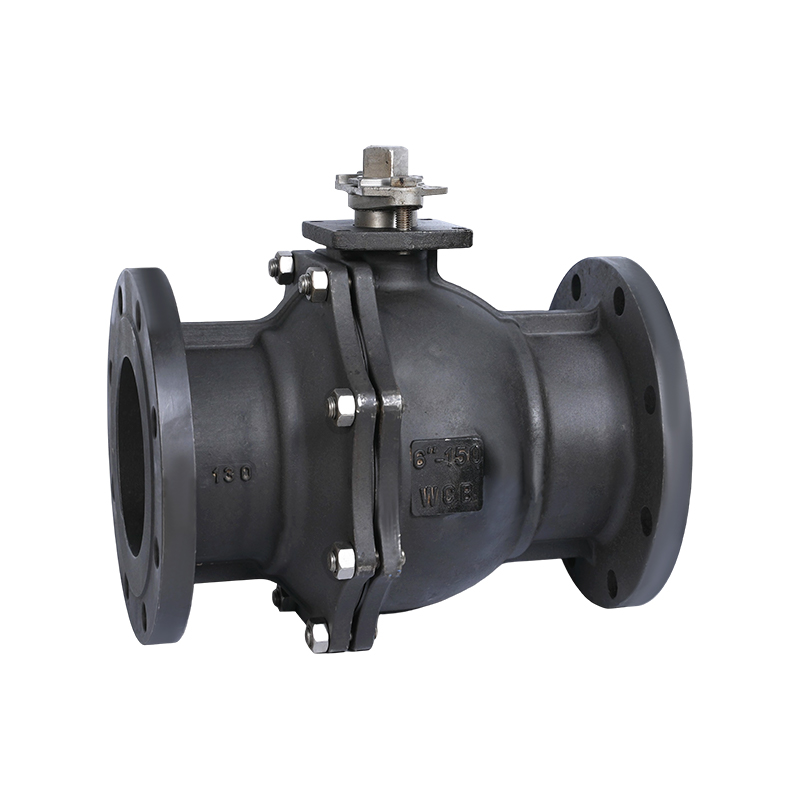
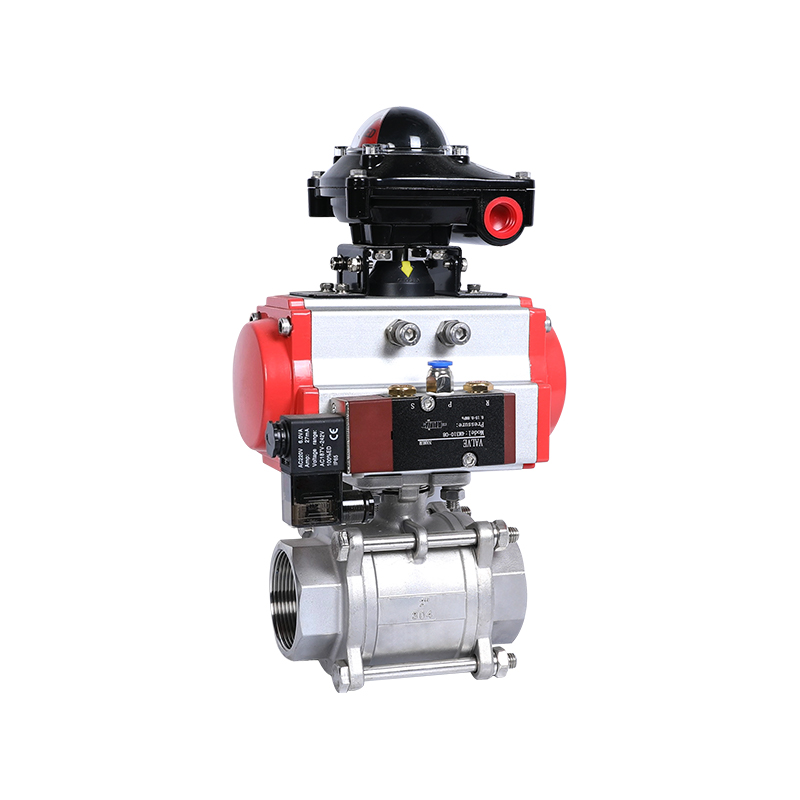
Energy efficiency has become one of the most discussed topics across industrial sectors in 2025. Whether in water treatment plants, chemical processing facilities, HVAC projects, or industrial manufacturing lines, engineers are under pressure to reduce operating costs while maintaining stable system performance. One issue receiving growing attention is flow resistance caused by improperly selected valves. More procurement teams are evaluating how a High Platform Ball Valve can improve automation efficiency and how a Flanged Ball Valve can enhance flow stability in demanding applications. Today, buyers are not simply purchasing valves—they are investing in long-term system performance.
Energy Waste Often Starts Inside the Pipeline
When industrial operators investigate rising energy consumption, pumps and motors are usually the first components examined. However, flow control equipment can also contribute significantly to efficiency losses.
Poorly designed or incorrectly selected valves may create:
- Excessive pressure drop
- Unstable flow characteristics
- Increased pump workload
- Higher operating temperatures
- Reduced overall system efficiency
Over time, these factors can increase operating costs and place unnecessary stress on connected equipment.
Why Modern Facilities Are Re-Evaluating Flow Control Strategies
Industrial systems today are expected to handle greater production demands while consuming less energy. This has encouraged engineers to optimize every component that influences fluid movement.
Recent industry discussions focus on:
- Reducing turbulence inside pipelines
- Improving flow coefficient performance
- Lowering pressure loss across control points
- Supporting automated process adjustments
- Extending equipment service life
As a result, valve design is becoming an increasingly important part of energy management planning.
Automation Requires More Than Just an Actuator
Many facilities are upgrading toward intelligent control systems, but automation performance depends heavily on the valve structure itself.
A platform-mounted valve design offers several practical benefits:
- Easier actuator installation
- Improved mounting accuracy
- Better torque transmission
- Simplified maintenance procedures
- Greater compatibility with control systems
These advantages help operators achieve more precise flow regulation while reducing installation complexity.
Pipeline Stability Directly Affects Operating Costs
One challenge frequently mentioned by maintenance teams is vibration and connection instability within high-flow systems. These issues can contribute to leakage, component wear, and energy loss.
To improve system stability, engineers increasingly prioritize:
- Secure pipeline connections
- Consistent sealing performance
- Reduced vibration transmission
- Reliable operation under pressure fluctuations
- Easier inspection access
A stable connection structure helps ensure long-term operational efficiency while minimizing maintenance requirements.
Material Quality Is Becoming a Competitive Advantage
As industrial environments become more demanding, buyers are placing greater emphasis on valve construction materials.
Important considerations include:
- Corrosion resistance in aggressive media
- Strength under continuous pressure
- Durability in varying temperatures
- Precision-machined sealing surfaces
- Long-term structural integrity
High-quality materials not only extend service life but also contribute to more consistent system performance throughout the valve's operating cycle.
What Procurement Teams Are Searching for Today
The purchasing priorities of industrial buyers have evolved significantly. Instead of focusing solely on initial pricing, many companies now evaluate total ownership costs.
Current procurement concerns often include:
- Lifecycle maintenance expenses
- Automation compatibility
- Production lead times
- Spare parts availability
- Manufacturing consistency
- Technical support capabilities
Manufacturers that can provide engineering expertise alongside product quality are increasingly favored in global markets.
The Shift Toward Smarter Valve Procurement
The future of industrial flow control is closely tied to efficiency, automation, and predictive maintenance. Engineers are seeking solutions that help reduce energy consumption without sacrificing reliability.
Emerging trends include digital monitoring integration, improved sealing technologies, enhanced flow path design, and more automation-ready configurations. As industries continue to pursue operational efficiency and sustainability goals, the combination of a High Platform Ball Valve and a Flanged Ball Valve is becoming an increasingly valuable solution for facilities aiming to optimize flow performance, reduce energy waste, and improve long-term operational reliability.

CONTACT INFO
 [email protected]
[email protected] +86-13857761200
 +86-0577-86566777
 No. 199, Baiyu Road, Binhai Park, Wenzhou, Zhejiang, China.
Copyright© Zhejiang Lizhi Metal Products Technology Co., Ltd. All Rights Reserved.

China Stainless Steel Valves