

Call us: +86-13857761200

Email us:[email protected]
 Get a quote

 EN
EN 
 English
 中文简体
中文简体 Español
 русский
Submit feedback

CATEGORIES

Valve Products
As a professional manufacturer specializing in stainless steel precision casting, we utilize advanced medium-temperature wax precision casting technologies to deliver high-performance, high-precision valve products. Our valve products strictly conform to international standards such as ANSI, DIN, JIS, and GB, ensuring nice dimensional accuracy, surface finish, and mechanical strength. These valves offer good corrosion resistance, wear resistance, and sealing performance, making them ideal for use in petroleum, chemical, power generation, pharmaceutical, and food processing industries. We offer OEM & customized valve services based on drawings or samples to meet various industrial requirements.
-
DIN WCB Flange End Ball Valve
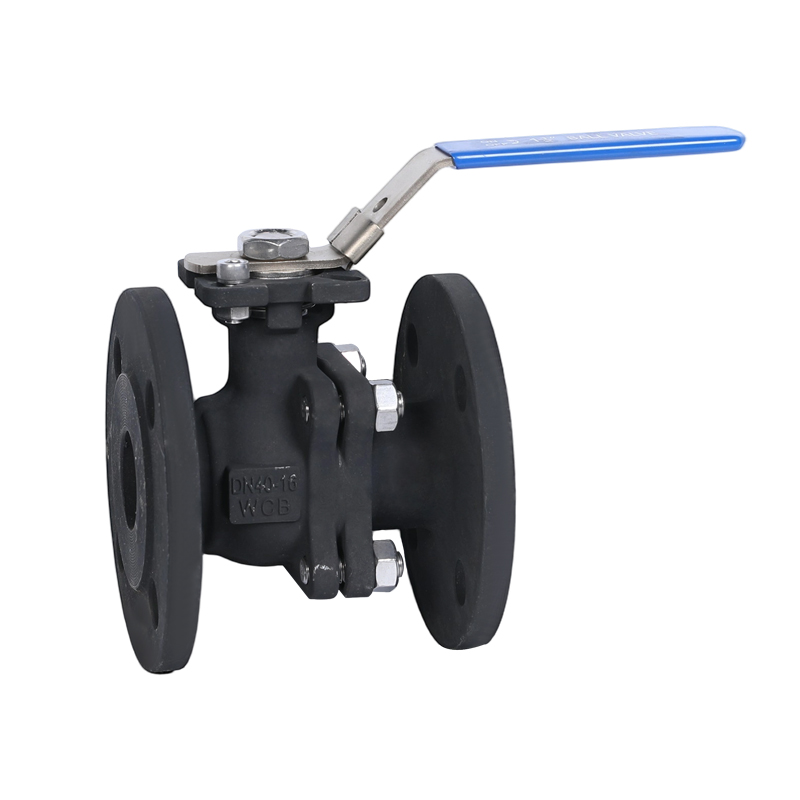
Details:
The DIN WCB Flange End Ball Valve is designed for industrial applications requir...View More -
DIN 2-Piece High Platform Ball Valve
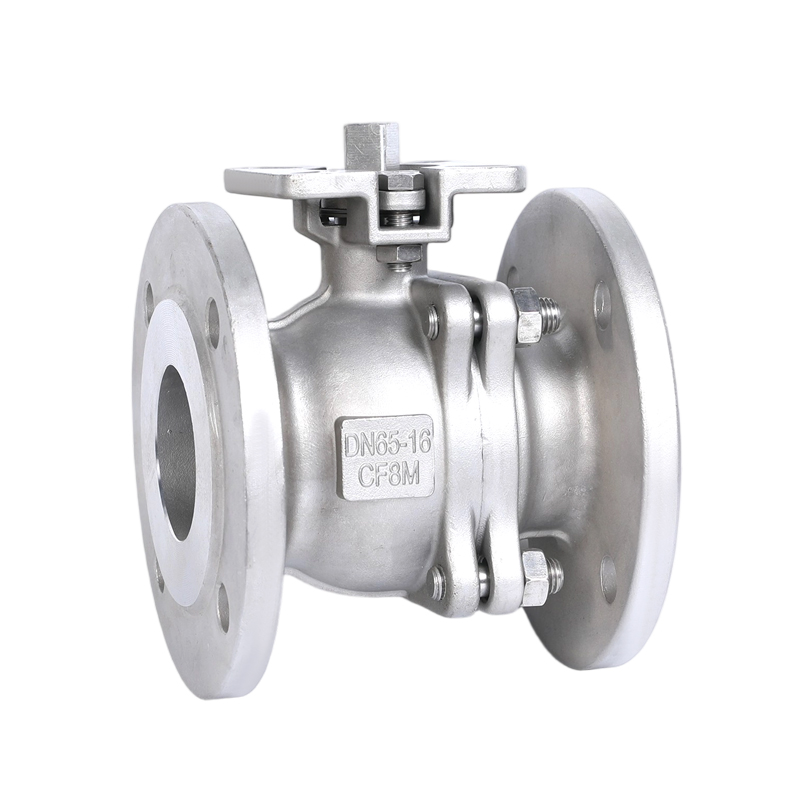
Details:
This DIN-standard 2-piece high-platform ball valve is engineered for corrosive a...View More -
GB High Platform WCB Ball Valve
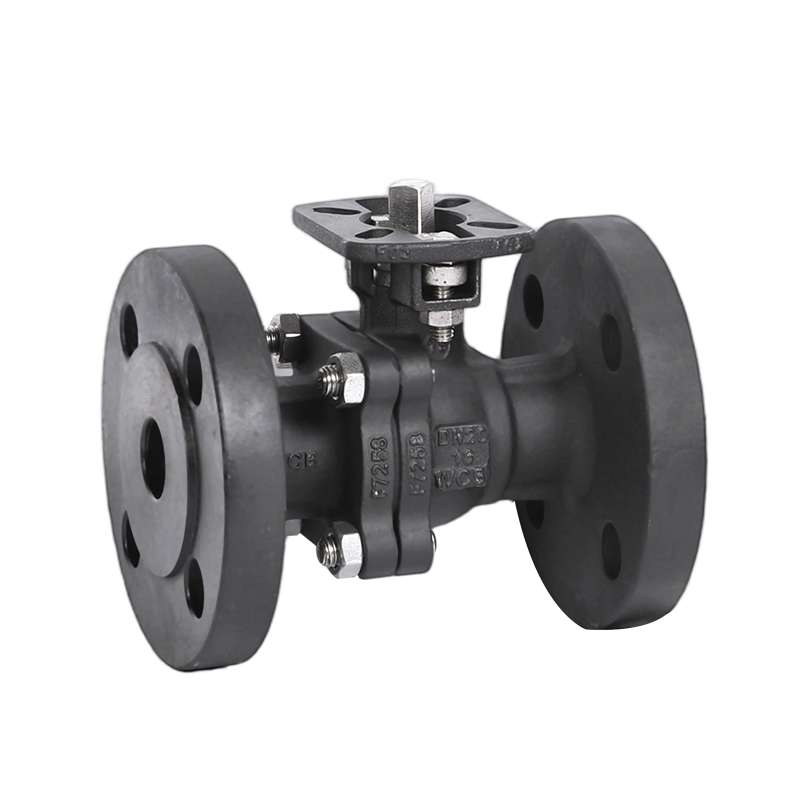
Details:
The GB-standard high-platform ball valve in WCB material meets Chinese industria...View More -
GB CF8 High Platform Ball Valve
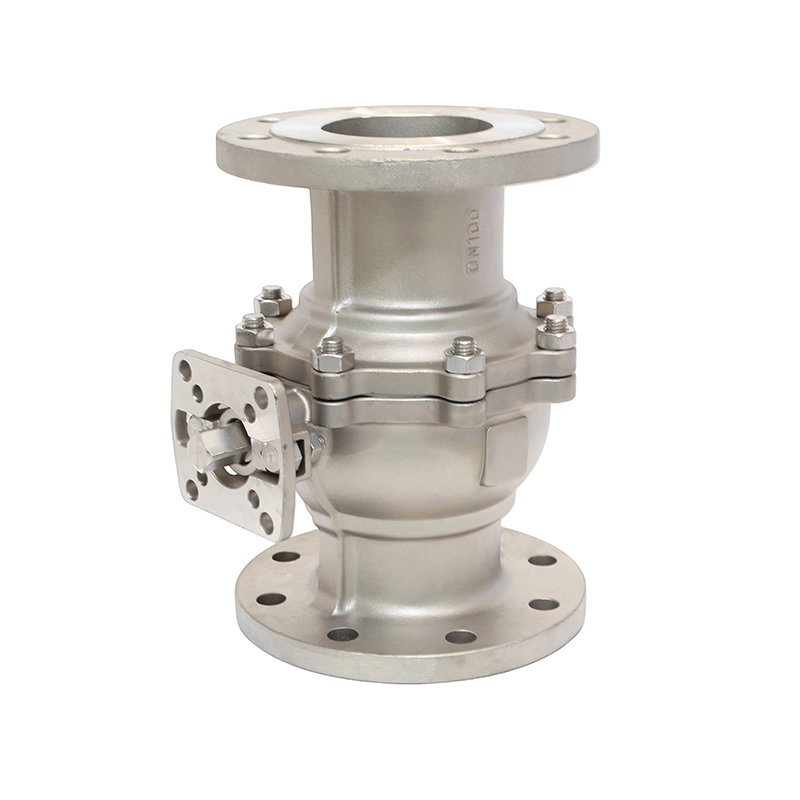
Details:
This GB-series ball valve in CF8 (304 stainless steel) caters to corrosive and h...View More -
GB Manual Flange Ball Valve
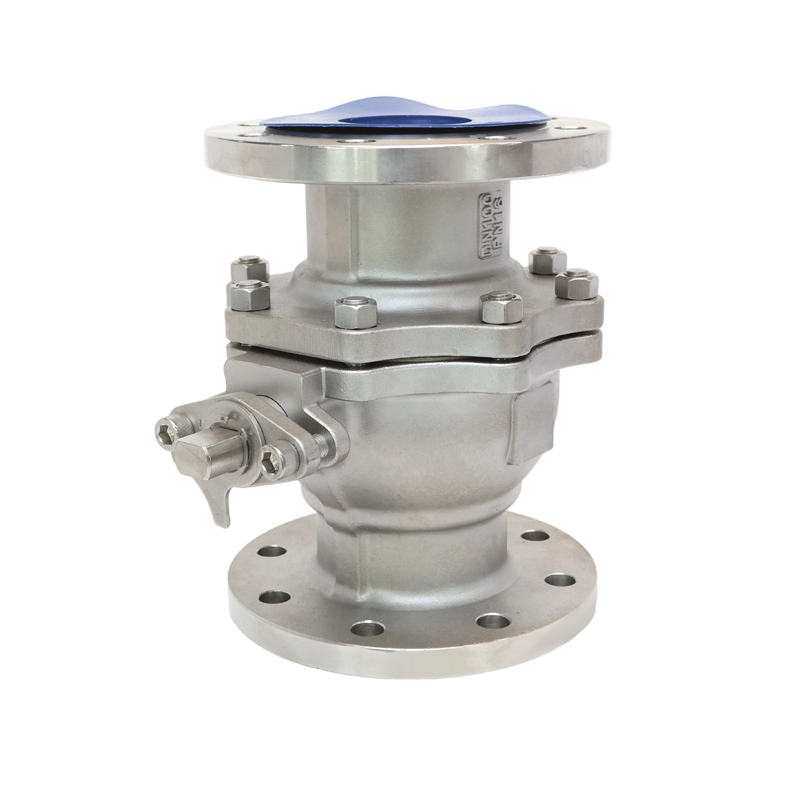
Details:
The GB Manual Flange Ball Valve is a robust industrial valve designed for applic...View More -
2"/8" 150# CF8 Flange Floating Ball Valve
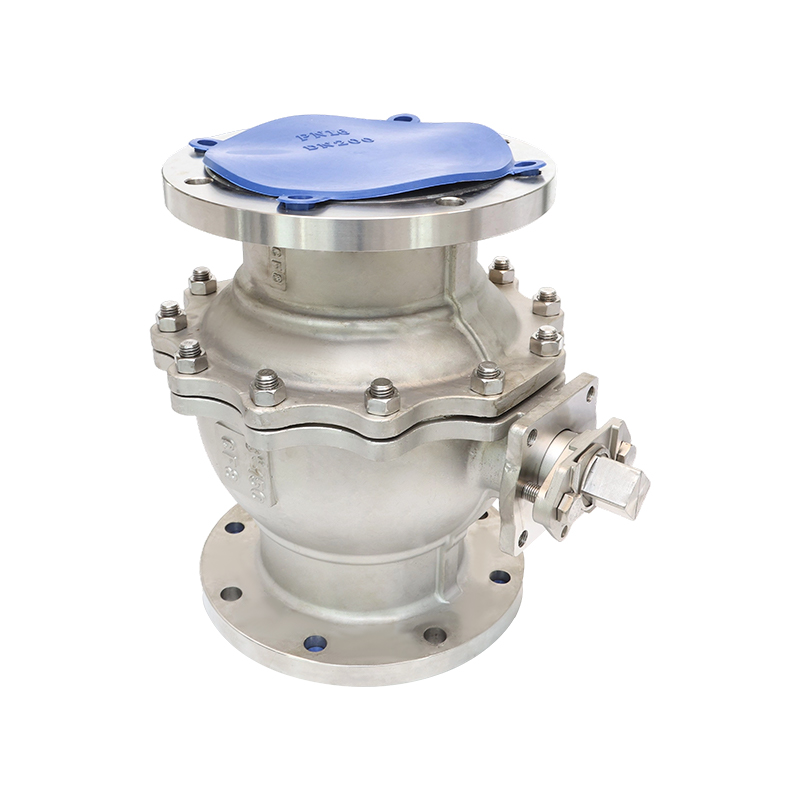
Details:
This 2" to 8" 150# CF8 Flange Floating Ball Valve is designed for industrial app...View More -
ANSI Low Platform Flange Ball Valve
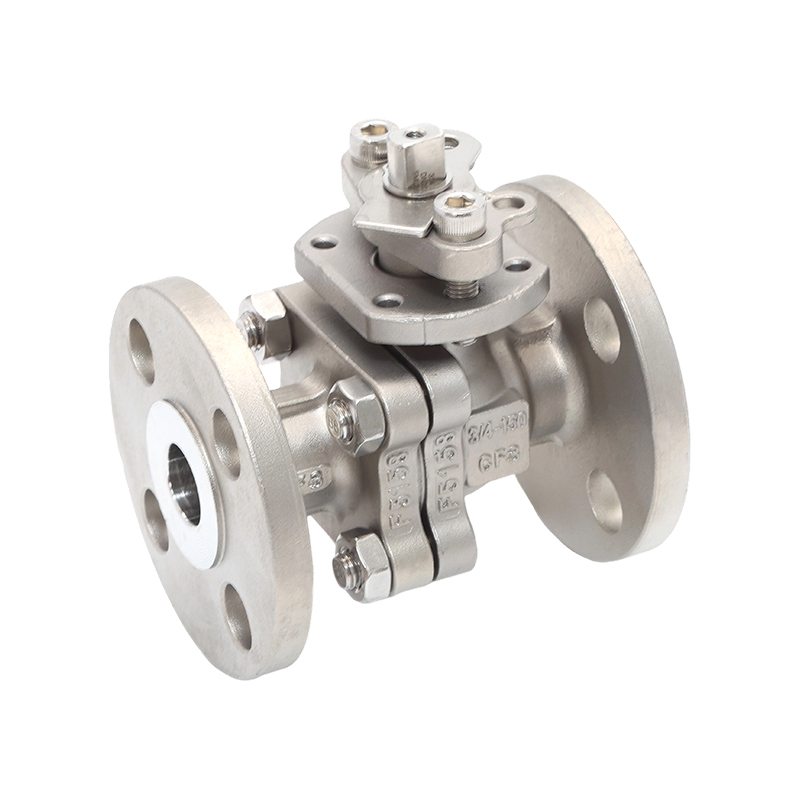
Details:
The ANSI Low Platform Flange Ball Valve is engineered for low-profile installati...View More -
ANSI High Platform WCB Ball Valve
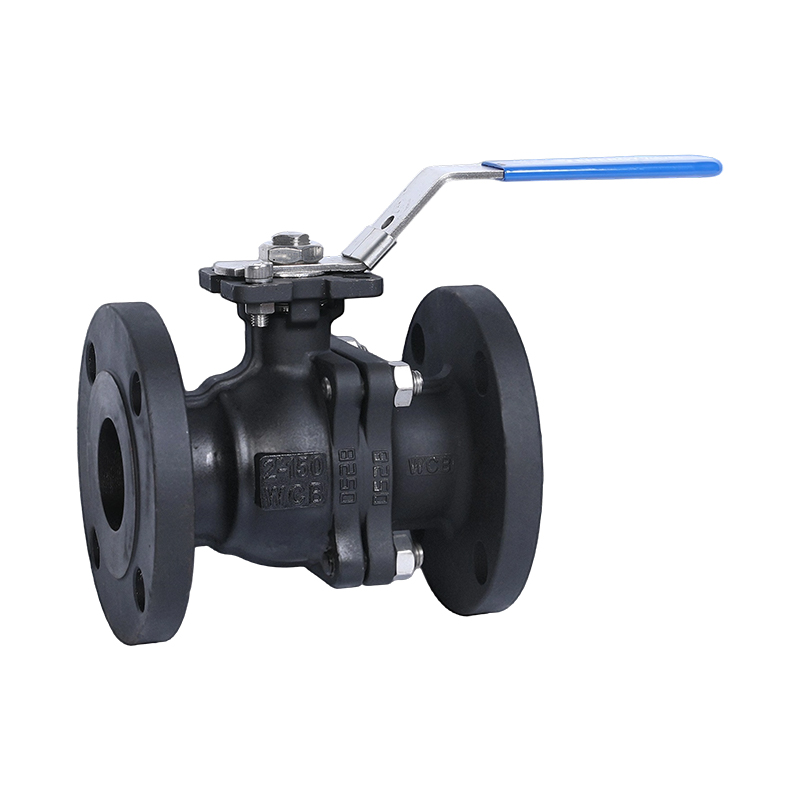
Details:
The ANSI High Platform WCB Ball Valve is designed for high-pressure and high-tem...View More -
ANSI High Platform CF8 Ball Valve
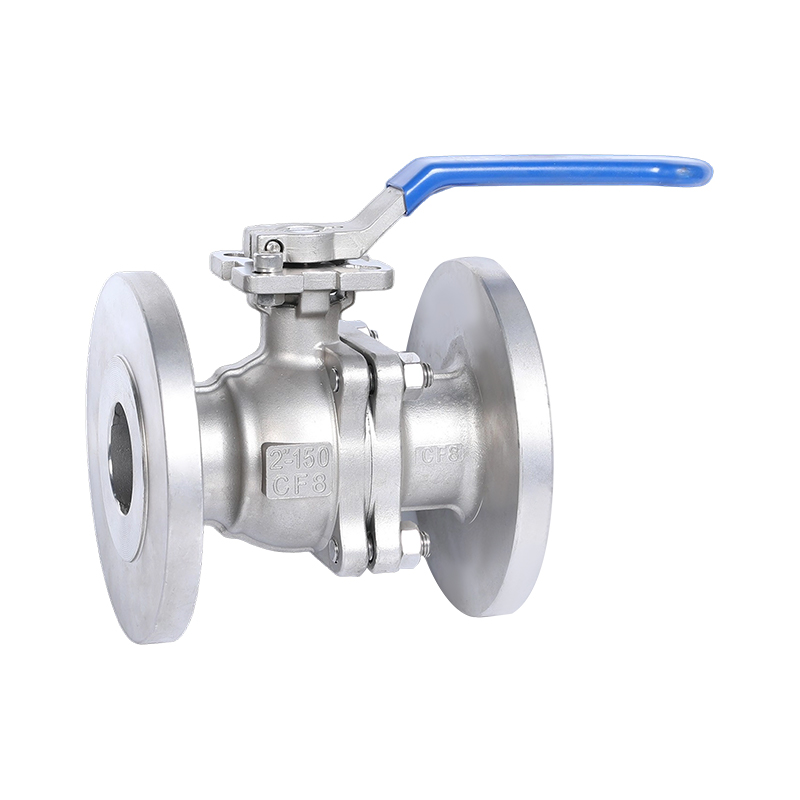
Details:
The ANSI High Platform CF8 Ball Valve is a high-performance valve designed for c...View More -
1" Italian Wafer Type Ultra Thin CF8 Ball Valve
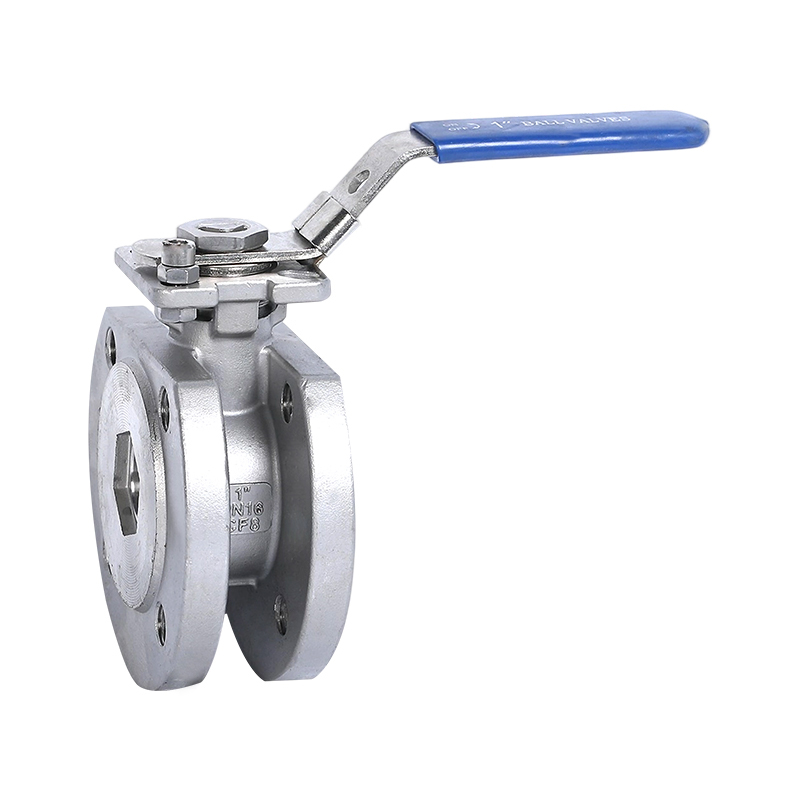
Details:
The 1" Italian Wafer Type Ultra Thin Ball Valve is a compact and lightweight sol...View More -
3-Piece Flange High Platform Ball Valve
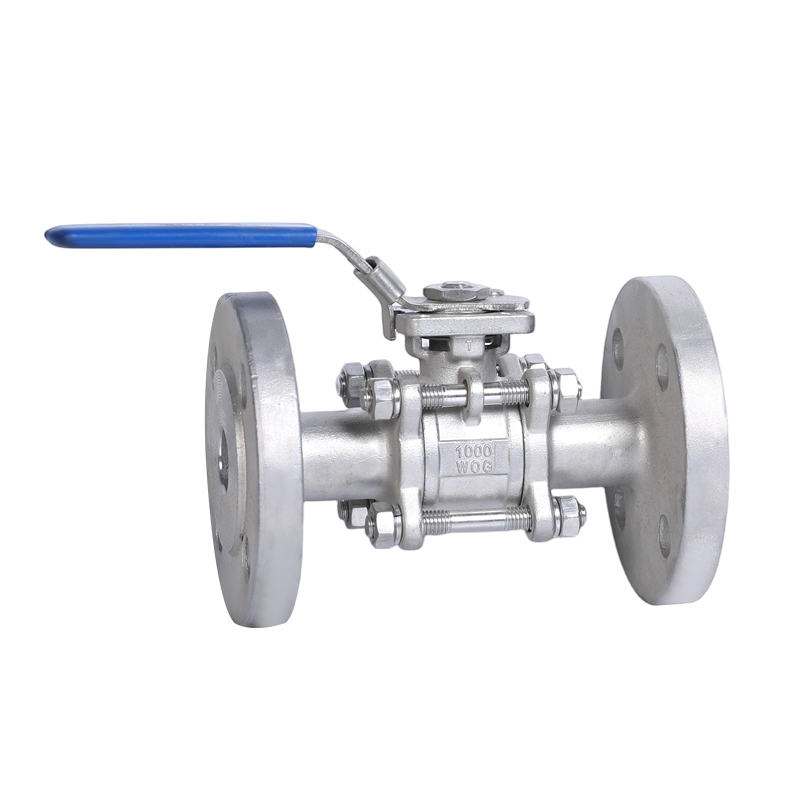
Details:
The 3-Piece Flange High Platform Ball Valve is engineered for high-pressure appl...View More -
DN100 PN16 CF8 Two Pieces Floating Ball Valve
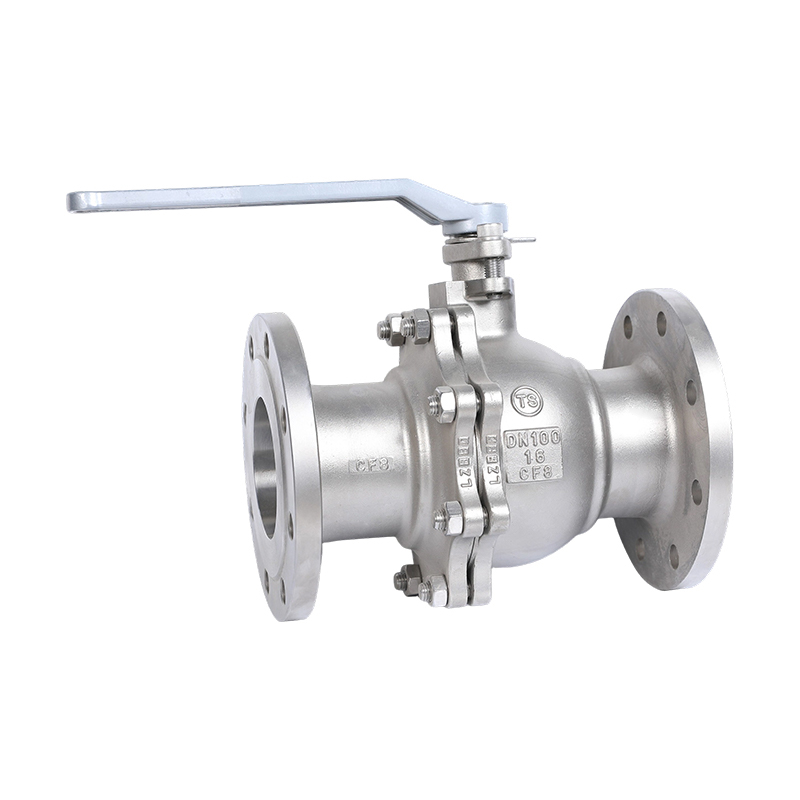
Details:
The DN100 PN16 CF8 Two-Piece Floating Ball Valve is designed for medium-pressure...View More
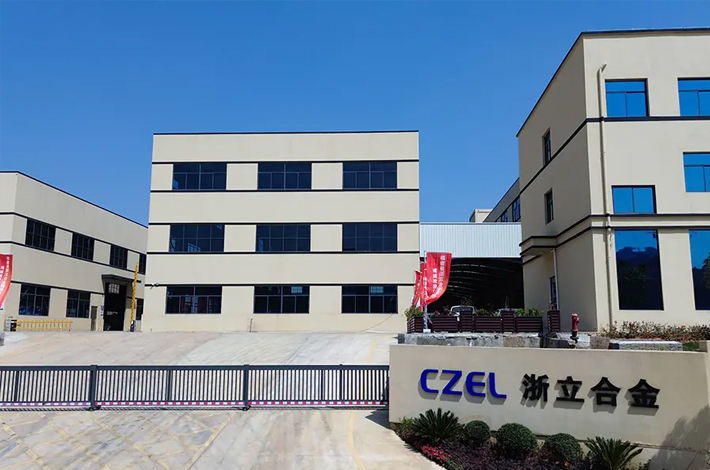
About Us
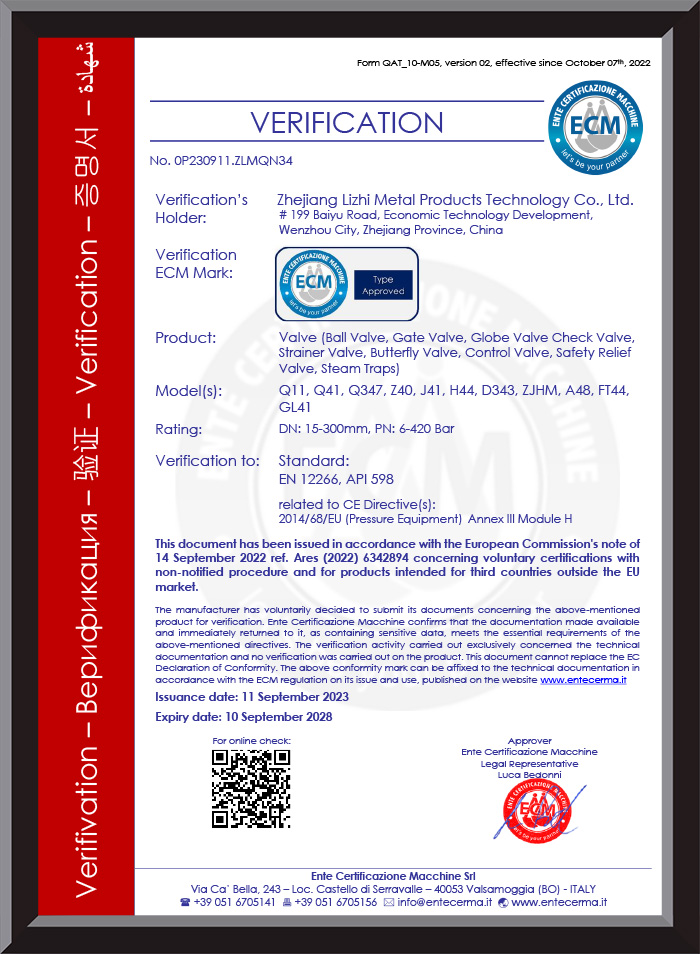
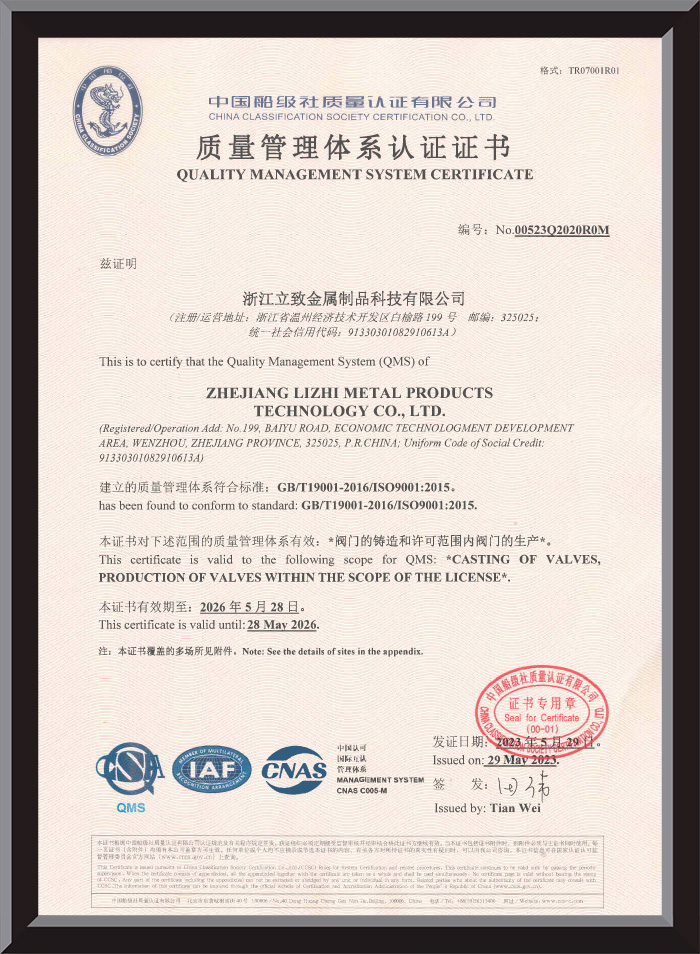
After more than 20 years of hard work, the company has strong technical strength and has established a production, learning and research integration with major domestic universities, forming its own product characteristics and technical advantages. The company mainly produces various precision castings and valve products such as valves, pumps, auto parts, marine parts, hardware and engineering machinery parts. The main materials are: austenitic stainless steel, carbon steel, duplex steel, nickel-based alloy, high silicon alloy, titanium alloy, etc. The annual output of various stainless steel castings is 8,000 tons (production capacity 12,000 tons/year). The company fully implements TUV: ISO9001-2015 and EU CE certification system management, and introduces 6S performance management lean production.
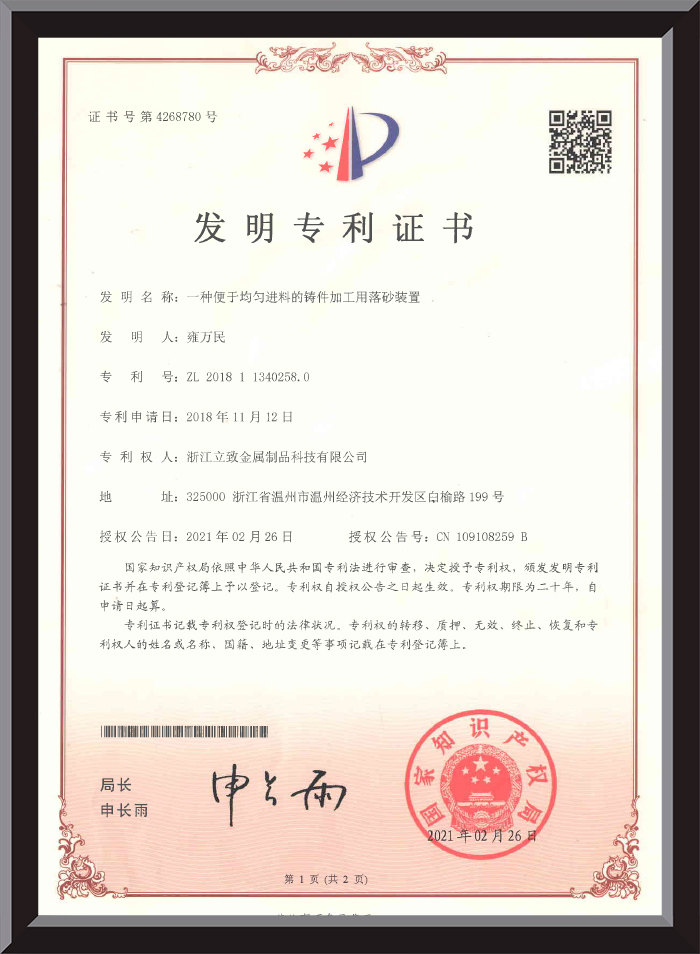
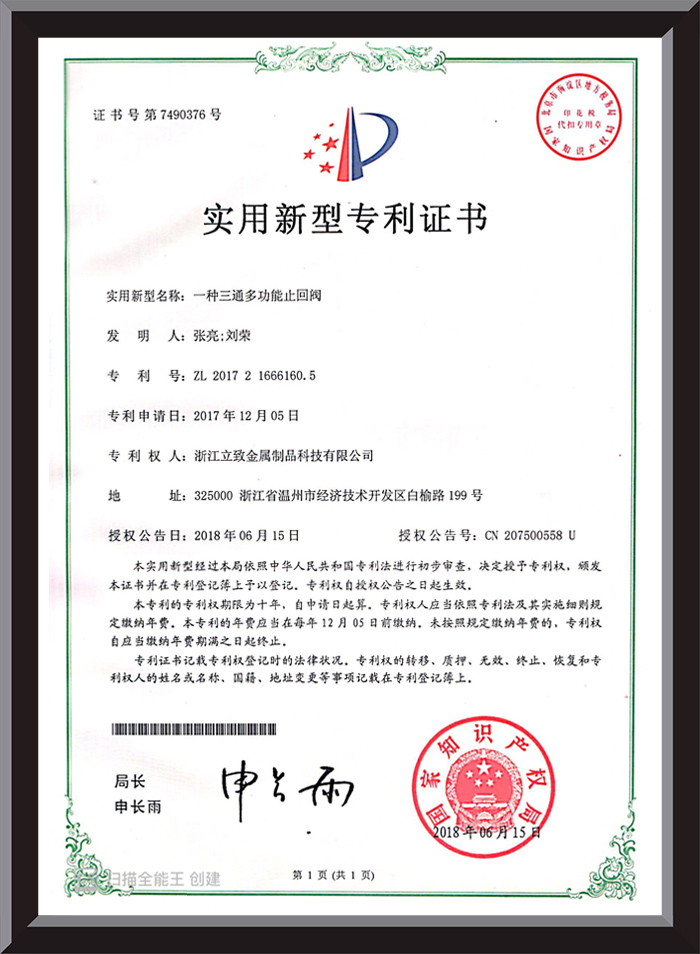
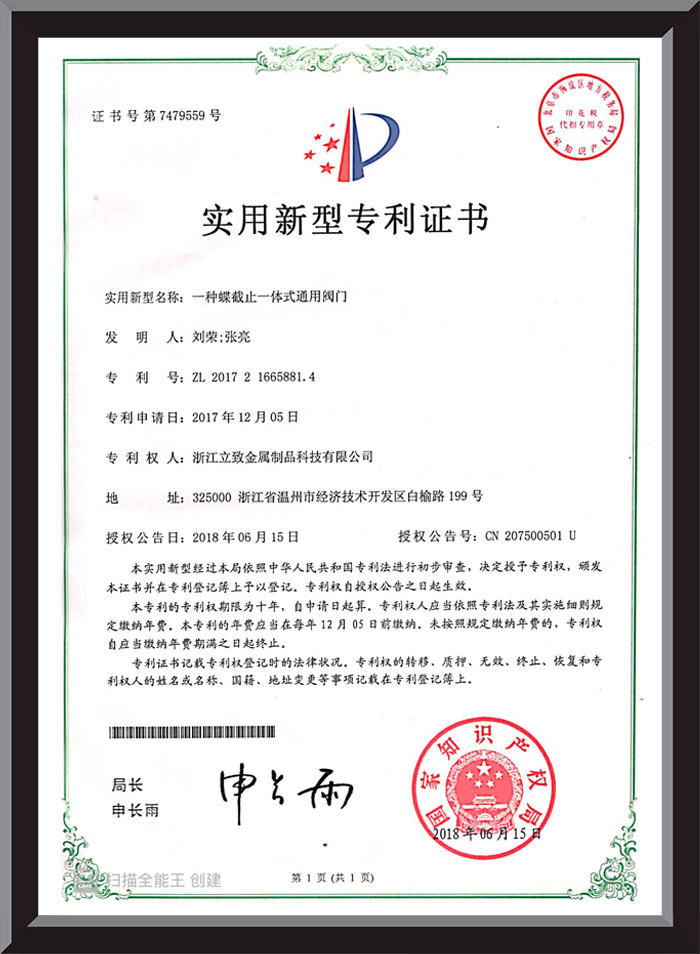
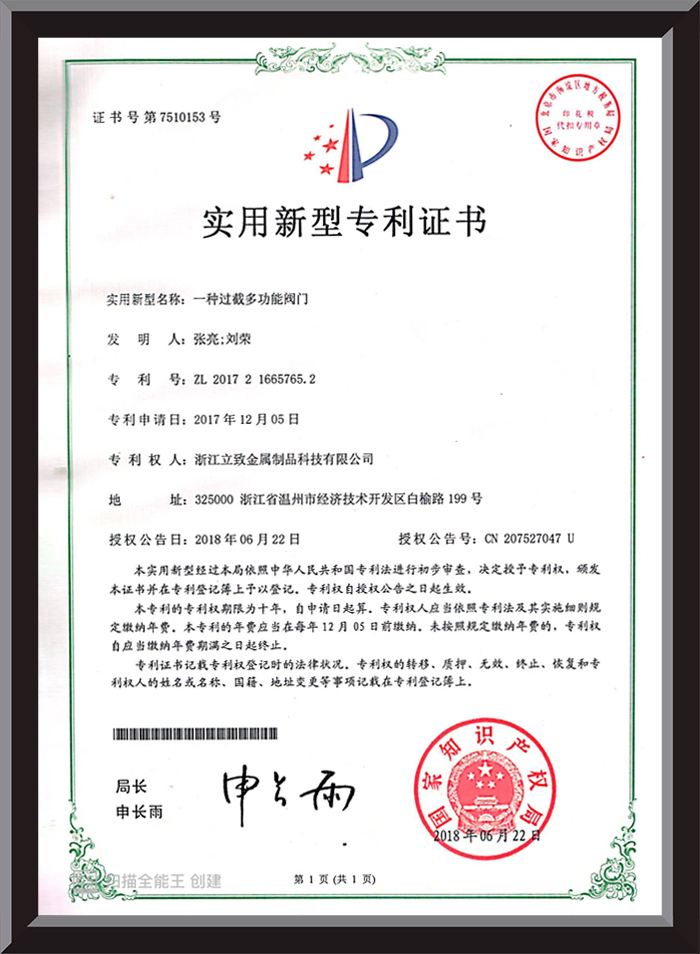
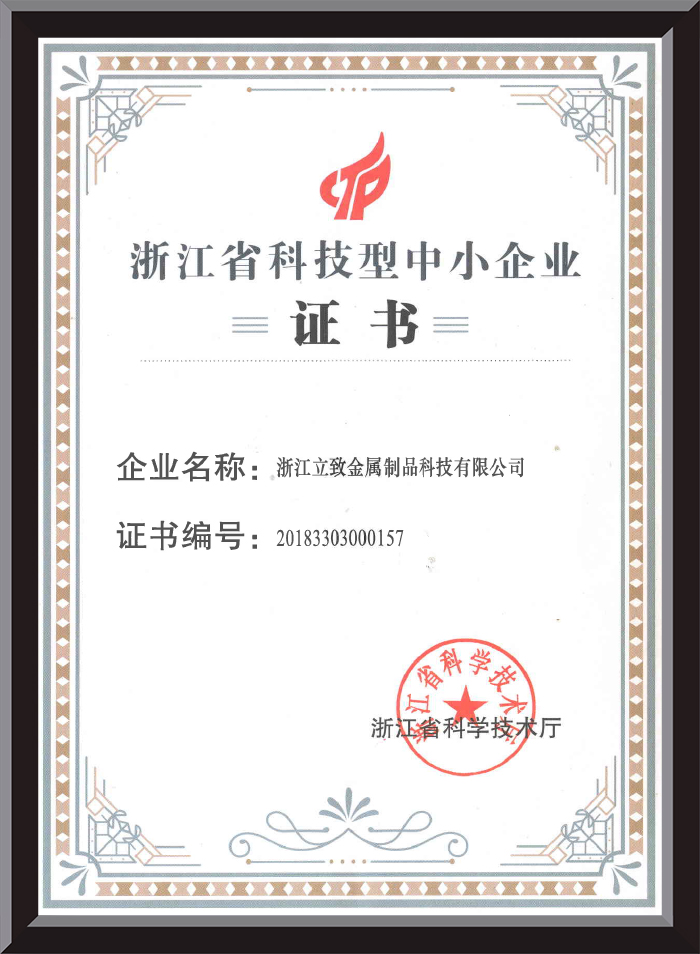
Certificate of Honor
Latest News
-
Industry News 2026-06-19
As industries continue investing in automation, energy efficiency, and smarter production lines, reliability has be...
Read More -
Industry News 2026-06-12
Across global industrial sectors such as petrochemical processing, water treatment, HVAC systems, and energy infras...
Read More -
Industry News 2026-06-05
As global industries continue to expand in petrochemical processing, water treatment, power generation, and manufac...
Read More -
Industry News 2026-05-29
The growing market demand for advanced High Platform Ball Valve solutions and reliable manufacturing support from a...
Read More -
Industry News 2026-05-22
The increasing demand for advanced High Platform Ball Valve products and reliable support from a professional Preci...
Read More
Contact Us Now
Industry knowledge
A control valve is a critical component in fluid handling systems, designed to regulate the flow, pressure, and direction of liquids or gases. By adjusting the valve opening, it ensures precise control of process conditions, maintaining system efficiency and safety. Control valves are commonly made from materials such as stainless steel, cast iron, or brass, providing durability and resistance to corrosion. They are widely used in industries including water treatment, chemical processing, oil and gas, and HVAC systems.
Ensuring Safety and Longevity with Quality-Controlled Valves
High-performance valves are engineered components used in fluid control systems to manage the flow, pressure, and direction of liquids or gases. They are designed to handle demanding operational conditions, such as high pressures, elevated temperatures, or abrasive media, making them suitable for industrial applications including chemical processing, power generation, and water treatment. Common materials for high-performance valves include stainless steel, carbon steel, and alloyed metals, which provide durability, corrosion resistance, and mechanical strength.
The design of a high-performance valve focuses on efficiency, reliability, and operational stability. These valves may incorporate features such as reinforced seats, precision stems, and resilient sealing systems to maintain consistent performance over time. Depending on the application, valves can be configured as globe, ball, gate, or butterfly types, each offering specific advantages in terms of flow control, pressure drop, and installation requirements.
Quality assurance is a key aspect of producing high-performance valves. Components undergo dimensional inspection, pressure testing, and material verification to ensure they meet operational standards. Proper maintenance and installation further enhance their longevity and performance, helping prevent leaks and ensure safe operation in critical systems.
Applications for high-performance valves span multiple industries. In water treatment and distribution, they control flow and maintain pressure. Their ability to operate under demanding conditions ensures process stability, efficiency, and safety.
In summary, high-performance valves combine durable materials, precise engineering, and careful quality control to provide reliable and efficient control of fluid systems in diverse industrial applications.
Ensuring Consistent Flow and Pressure with High-Precision Valves
High-precision valves are specialized components used in systems that require accurate regulation of fluid flow, pressure, or temperature. These valves are commonly applied in industries such as pharmaceuticals, laboratory equipment, chemical processing, and precision manufacturing, where consistent and controlled operation is essential. Materials such as stainless steel, brass, and high-grade alloys are used to ensure corrosion resistance, strength, and dimensional stability.
The design of high-precision valves emphasizes accuracy, responsiveness, and repeatability. Components such as finely machined stems, tight-fitting seats, and controlled actuator mechanisms allow precise adjustment of fluid parameters. Valve types include needle valves, globe valves, and diaphragm valves, each offering unique control characteristics suitable for specific process requirements.
Manufacturing and quality control are critical in high-precision valves. Dimensional accuracy, smooth surface finishes, and material consistency are verified through inspections and testing. Pressure tests, leak tests, and functional checks ensure the valve operates as intended, maintaining process reliability and safety.
High-precision valves are used in applications where small variations in flow or pressure can impact outcomes. In precision equipment, they ensure consistent performance and prevent material waste or process deviations.
In conclusion, high-precision valves provide reliable, accurate, and repeatable control of fluids. With careful design, material selection, and quality assurance, they enable stable operation in processes that demand exact fluid regulation and operational consistency.

CONTACT INFO
 [email protected]
[email protected] +86-13857761200
 +86-0577-86566777
 No. 199, Baiyu Road, Binhai Park, Wenzhou, Zhejiang, China.
Copyright© Zhejiang Lizhi Metal Products Technology Co., Ltd. All Rights Reserved.

Wholesale High-Performance Valve