

Call us: +86-13857761200

Email us:[email protected]
 Get a quote

 EN
EN 
 English
 中文简体
中文简体 Español
 русский
Submit feedback
Y Strainers Manufacturers

CATEGORIES

Y Strainers
Our Y strainers are engineered to remove unwanted solids from fluid pipelines, protecting downstream valves, pumps, and meters. The conical or cylindrical mesh screen provides high filtration efficiency, while the drain plug or blow-off valve allows for easy cleaning without removing the strainer from the line. Constructed from SS304 or SS316, they offer good corrosion resistance and long service life. Commonly used in gas pipelines, cooling water systems, chemical processing, and HVAC applications, our Y strainers are available with threaded, flanged, or socket weld ends to suit different piping needs.
-
1MPa Stainless Steel Flanged Y Type Strainer
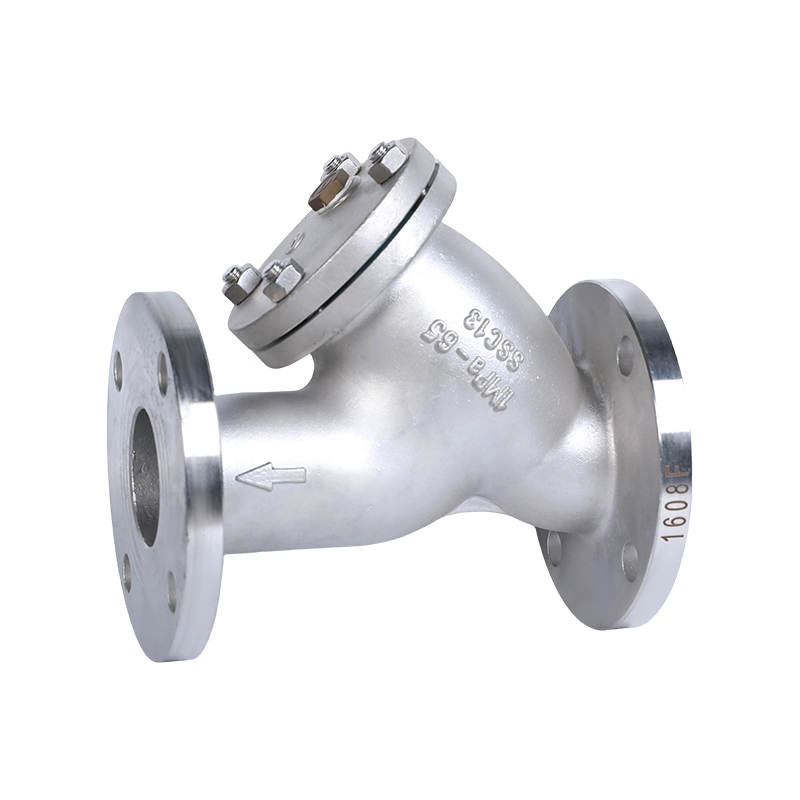
Details:
The 1MPa Stainless Steel Flanged Y Type Strainer is a robust filtration device d...View More -
1-1/4" CF8M Threaded End Y Strainer Filter
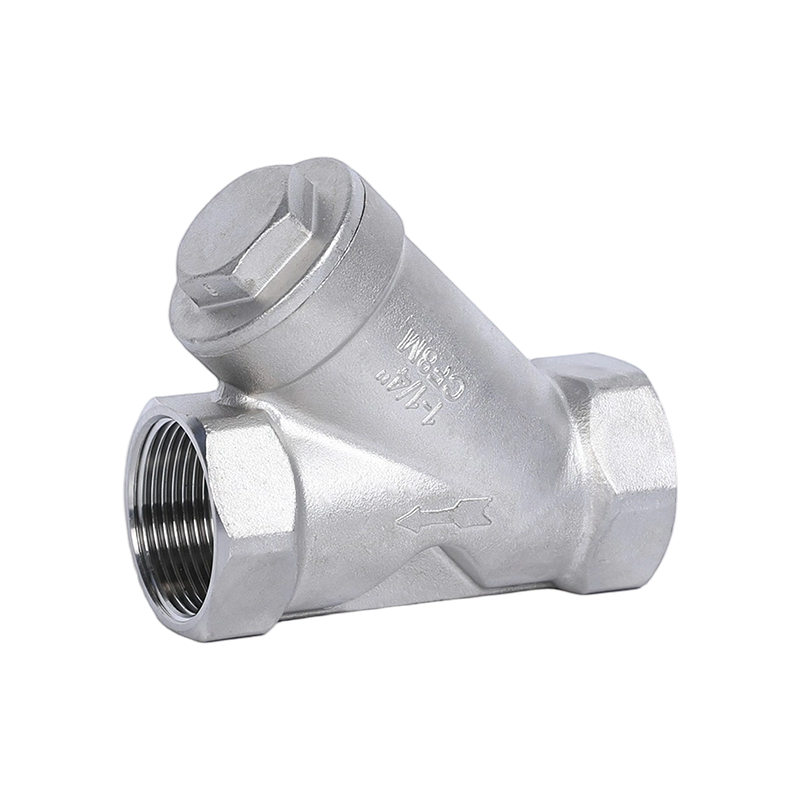
Details:
The 1-1/4" CF8M Threaded End Y Strainer is a compact and efficient filtration so...View More
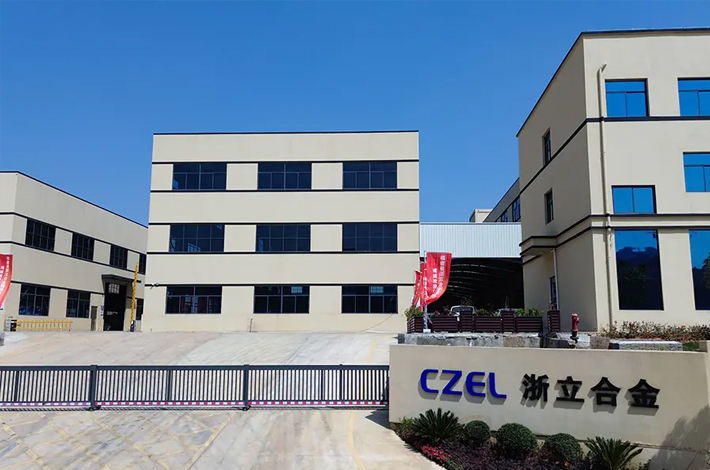
About Us
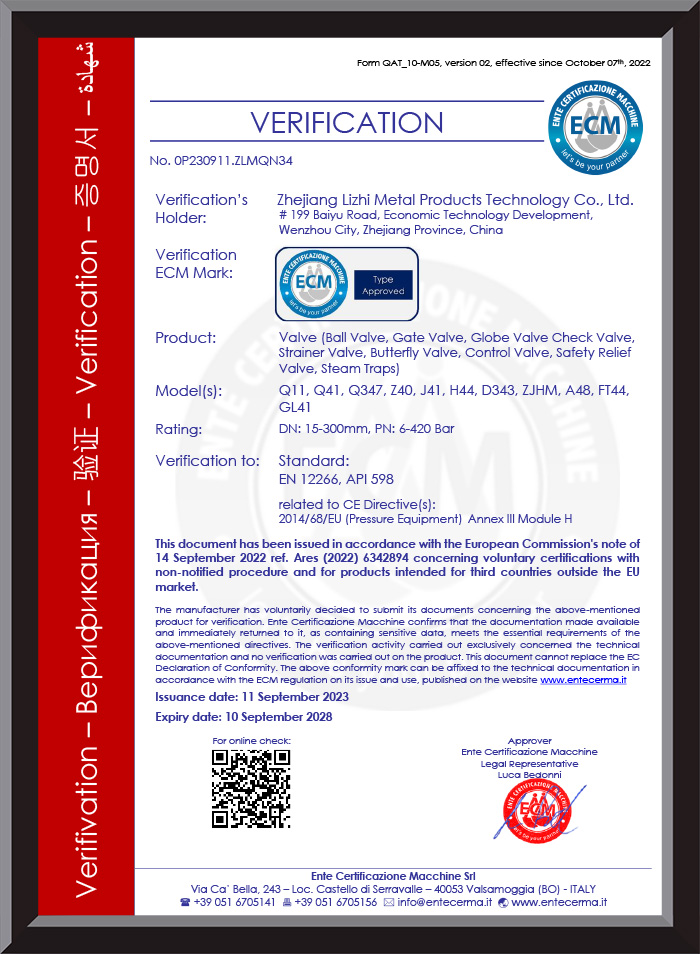
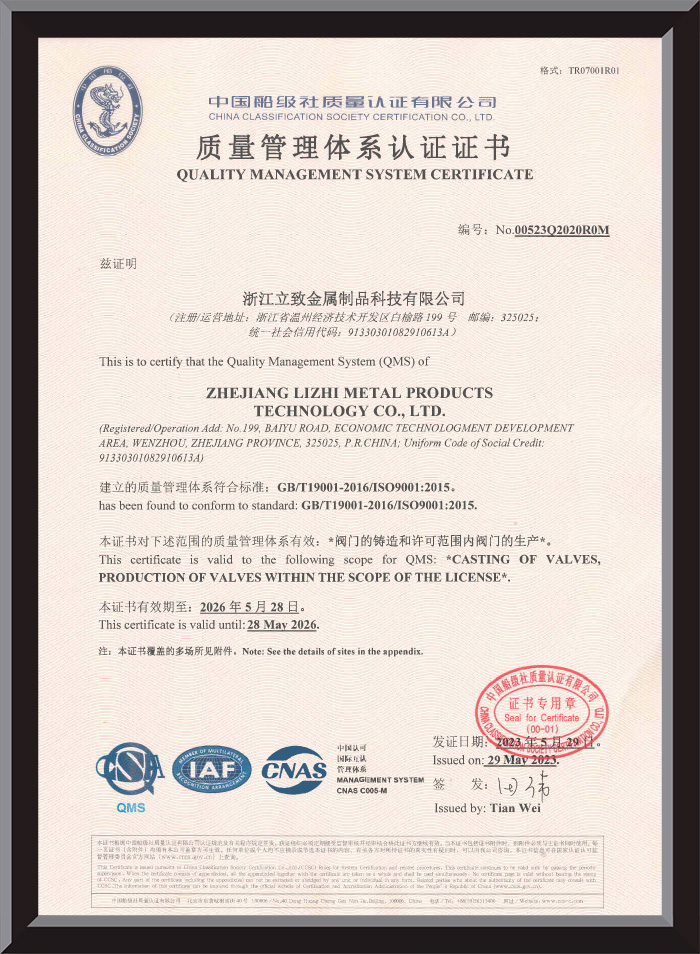
After more than 20 years of hard work, the company has strong technical strength and has established a production, learning and research integration with major domestic universities, forming its own product characteristics and technical advantages. The company mainly produces various precision castings and valve products such as valves, pumps, auto parts, marine parts, hardware and engineering machinery parts. The main materials are: austenitic stainless steel, carbon steel, duplex steel, nickel-based alloy, high silicon alloy, titanium alloy, etc. The annual output of various stainless steel castings is 8,000 tons (production capacity 12,000 tons/year). The company fully implements TUV: ISO9001-2015 and EU CE certification system management, and introduces 6S performance management lean production.
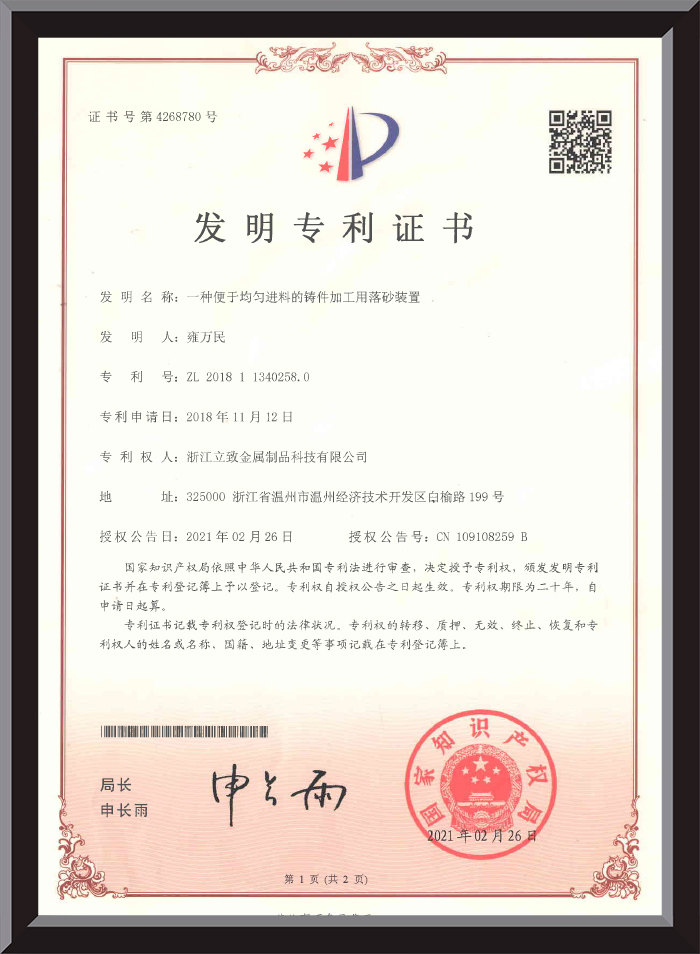
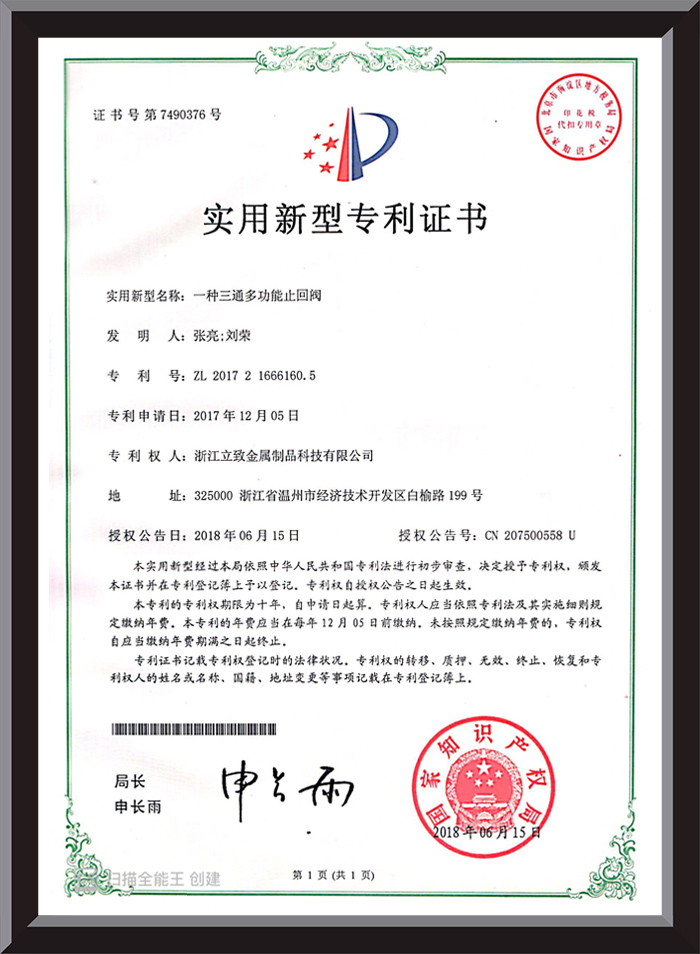
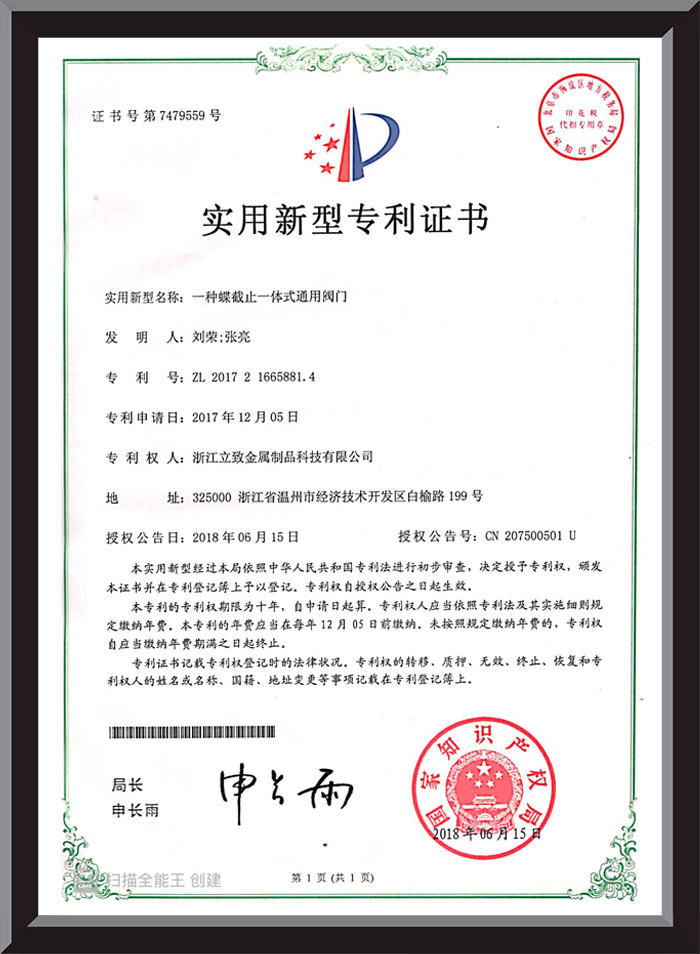
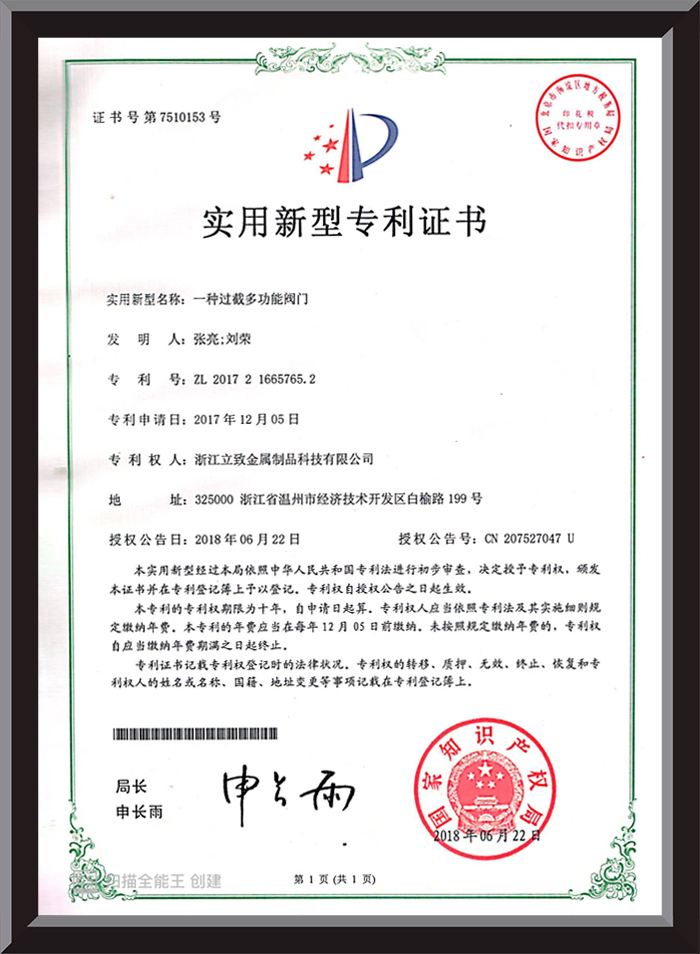
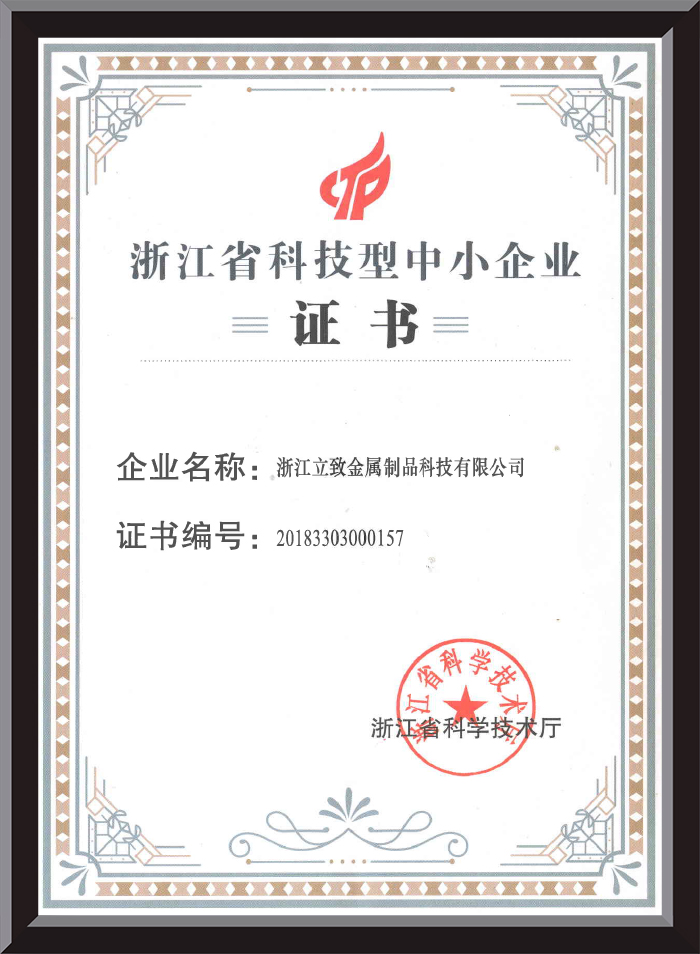
Certificate of Honor
Latest News
-
Industry News 2026-07-10
As industrial pipeline systems become more complex, engineers and purchasing teams are paying closer attention to v...
Read More -
Industry News 2026-07-03
As industrial automation continues to expand across sectors such as water treatment, chemical processing, food manu...
Read More -
Industry News 2026-06-26
Energy efficiency has become one of the most discussed topics across industrial sectors in 2025. Whether in water t...
Read More -
Industry News 2026-06-19
As industries continue investing in automation, energy efficiency, and smarter production lines, reliability has be...
Read More -
Industry News 2026-06-12
Across global industrial sectors such as petrochemical processing, water treatment, HVAC systems, and energy infras...
Read More
Contact Us Now
Industry knowledge
Y strainer filters are essential components used in piping systems to remove debris and solid particles from liquids or gases, protecting pumps, valves, and other equipment. Named for their Y-shaped design, these filters feature a mesh or perforated screen that traps contaminants while allowing fluid to pass through. Y strainer filters are commonly made from materials such as stainless steel, cast iron, or carbon steel, offering durability and corrosion resistance. Regular maintenance, including cleaning or replacing the screen, ensures consistent flow, system efficiency, and long service life.
Easy Maintenance and Screen Replacement with Y-Type Strainers
Y-type strainers are widely used in piping systems to remove solid particles and debris from liquids or gases, protecting pumps, valves, and other equipment from potential damage. Their name derives from the Y-shaped body, which allows fluid to flow through a mesh or perforated screen while capturing contaminants. This design smalls pressure drop and enables easy installation in both horizontal and vertical pipelines.
Y-type strainers are typically manufactured from materials such as stainless steel, cast iron, or carbon steel, providing corrosion resistance, durability, and long-term reliability. The screen can be easily removed for cleaning or replacement, ensuring consistent operation and preventing system blockages. These strainers are commonly used in water treatment, chemical processing, HVAC, and industrial manufacturing systems, where maintaining clean flow is essential for system efficiency and equipment longevity.
The operation of a Y-type strainer is straightforward and automatic, requiring small intervention. Regular inspection of the screen and strainer body helps maintain good performance and prevent pressure loss or operational disturbances. The compact design and versatility make Y-type strainers suitable for a wide range of piping applications.
In conclusion, Y-type strainers provide reliable filtration, reduce maintenance needs, and protect critical equipment. Their combination of durable materials, simple design, and ease of maintenance ensures efficient and safe operation in industrial and commercial piping systems.
Efficient Filtration and Equipment Protection with Stainless Steel Y Strainers
Stainless steel flange Y strainers are essential components for filtering solid particles and debris from liquids or gases in piping systems. The Y-shaped body contains a mesh or perforated screen that traps contaminants while allowing the fluid to pass through. Flanged ends enable secure attachment to pipelines, providing stability and ease of installation in various industrial systems.
These strainers are made from stainless steel, offering good corrosion resistance, mechanical strength, and durability. The flanged design allows for convenient removal of the screen for cleaning or replacement without disassembling large sections of the pipeline. Stainless steel flange Y strainers are commonly used in water treatment, chemical processing, HVAC, and industrial manufacturing, ensuring that pumps, valves, and other equipment operate efficiently and are protected from damage.
The operation of a stainless steel flange Y strainer is automatic, requiring no manual intervention beyond periodic maintenance. The design ensures small pressure drop during flow, while providing reliable filtration and protection. Regular inspection of the screen and body helps maintain system performance and prolong service life.
In summary, stainless steel flange Y strainers combine durable construction, secure flange connections, and efficient filtration. They provide reliable protection for critical equipment and maintain smooth flow in piping systems, making them a practical choice for industrial and commercial applications requiring clean and controlled fluid systems.

CONTACT INFO
 [email protected]
[email protected] +86-13857761200
 +86-0577-86566777
 No. 199, Baiyu Road, Binhai Park, Wenzhou, Zhejiang, China.
Copyright© Zhejiang Lizhi Metal Products Technology Co., Ltd. All Rights Reserved.

China Y Strainer Filter