

Call us: +86-13857761200

Email us:[email protected]
 Get a quote

 EN
EN 
 English
 中文简体
中文简体 Español
 русский
Submit feedback
Industry News
 Home / News / Industry News / How Can Industrial Facilities Reduce Unplanned Downtime Caused by Valve Maintenance?
 How Can Industrial Facilities Reduce Unplanned Downtime Caused by Valve Maintenance?
 2026.06.19
 Industry News
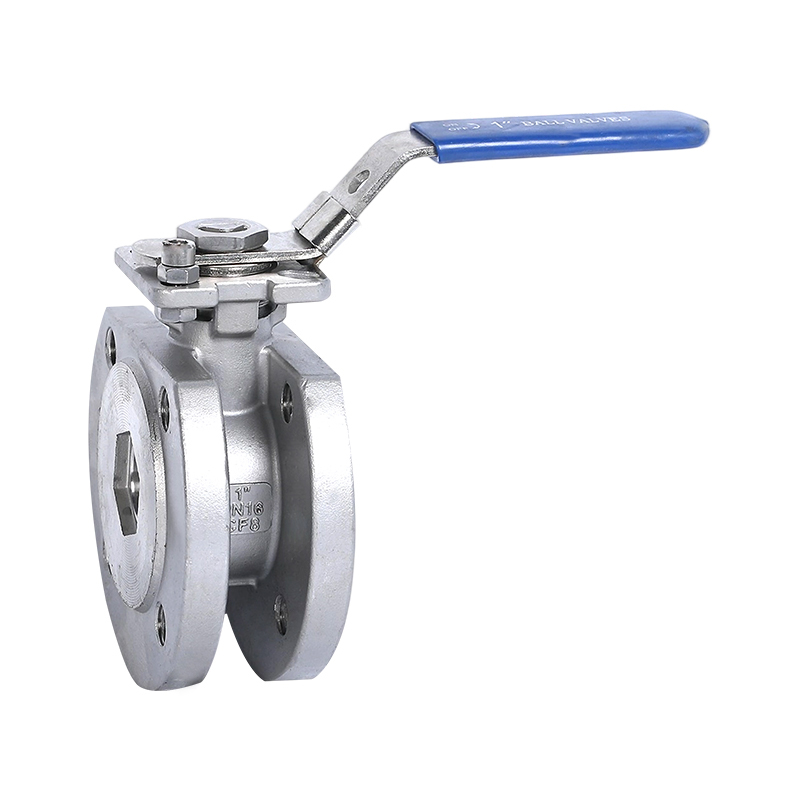
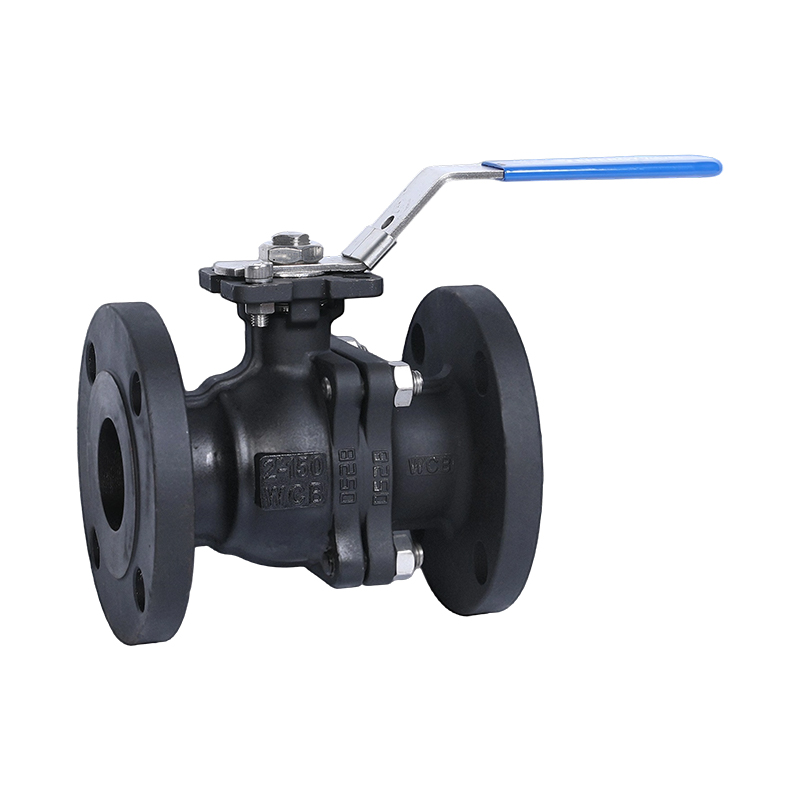
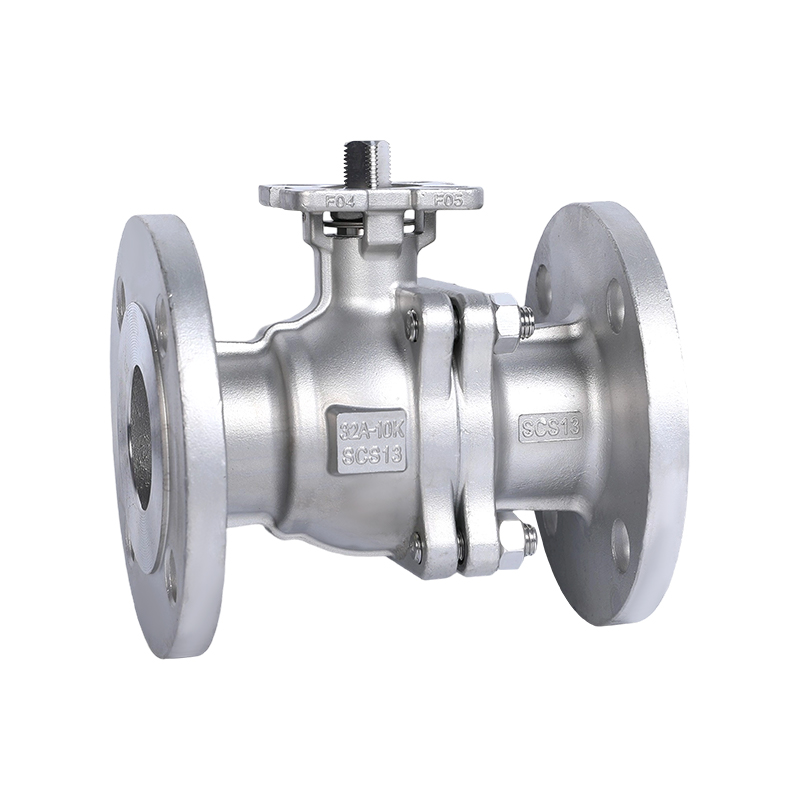
As industries continue investing in automation, energy efficiency, and smarter production lines, reliability has become one of the most discussed topics among engineers and procurement managers. Across sectors such as chemical processing, water treatment, food manufacturing, and energy infrastructure, operators are increasingly searching for ways to reduce maintenance-related shutdowns and improve pipeline stability. This growing demand has led many buyers to pay closer attention to the design advantages of a High Platform Ball Valve and the connection reliability offered by a Flanged Ball Valve. Rather than focusing solely on purchase price, modern buyers are evaluating lifecycle value, ease of automation, and long-term operating performance.
The Hidden Cost of Frequent Valve Maintenance
Unexpected maintenance remains a major challenge for industrial facilities. While a valve may represent only a small part of the overall system, its failure can affect an entire production process.
Common issues reported by plant operators include:
- Leakage after repeated operation cycles
- Difficult actuator installation
- Corrosion in humid or aggressive environments
- Excessive downtime during replacement
- Unstable sealing performance under pressure fluctuations
As production schedules become tighter, companies are actively looking for valve solutions that minimize service interruptions and reduce maintenance frequency.
Why Traditional Valve Configurations Are No Longer Enough
Many older pipeline systems were designed for manual operation and lower automation requirements. However, modern facilities increasingly rely on automated control systems that require valves capable of supporting actuators and intelligent monitoring devices.
A growing number of engineers are replacing outdated configurations because they often create:
- Limited compatibility with automation equipment
- Higher labor costs during operation
- More complicated upgrade procedures
- Reduced operational efficiency
This trend is particularly noticeable in facilities undergoing digital transformation or capacity expansion projects.
The Growing Demand for Automation-Ready Valve Designs
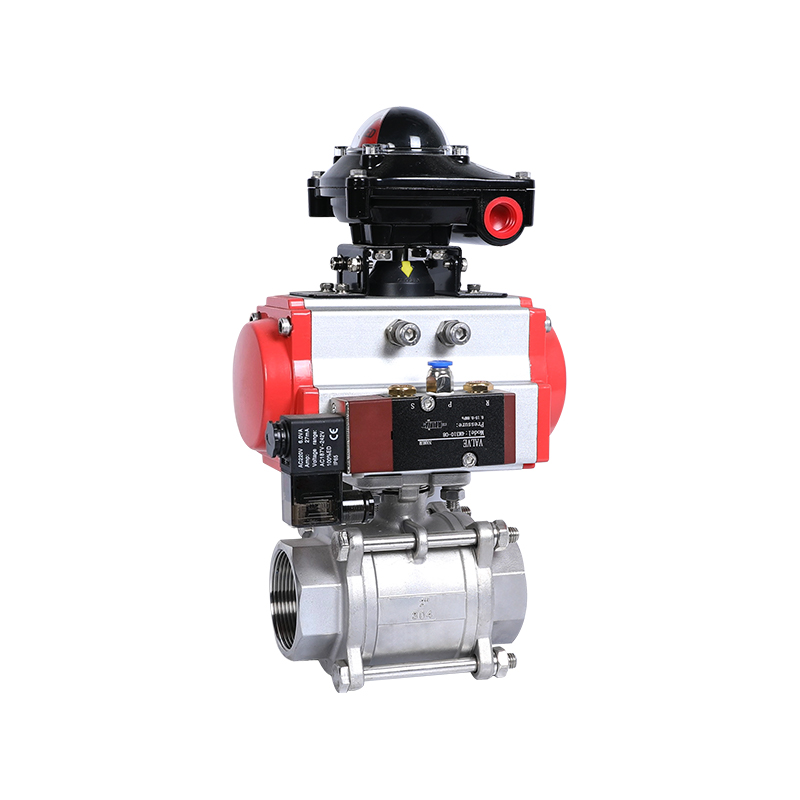
One of the hottest topics in industrial engineering forums today is the integration of automated flow control. Manufacturers and plant operators want equipment that can be upgraded without extensive system redesign.
A high-platform mounting structure offers practical advantages by providing a standardized interface for actuator installation. This design simplifies automation upgrades while helping maintain alignment and operational stability.
For facilities planning future automation investments, selecting valves with actuator-ready configurations can help avoid costly modifications later.
Connection Reliability Is Becoming a Procurement Priority
Pipeline leaks are among the most expensive maintenance problems in industrial operations. Even minor leakage can result in product loss, environmental concerns, and production delays.
To improve connection stability, engineers increasingly prefer flanged designs for applications involving:
- High-pressure systems
- Large-diameter pipelines
- Frequent maintenance access
- Critical process control environments
A properly designed flange connection can provide secure installation while simplifying inspection and replacement procedures.
Material Selection Matters More Than Ever
Recent industry discussions show that buyers are paying closer attention to valve materials rather than focusing solely on dimensions and pressure ratings.
Important considerations include:
- Corrosion resistance for aggressive media
- Mechanical strength under continuous operation
- Compatibility with various temperatures
- Surface finish quality
- Durability of sealing components
As a manufacturer, we have seen growing demand for stainless steel and precision-machined valve components that help extend service life and improve operational reliability across diverse industrial applications.
What Overseas Buyers Should Evaluate Before Purchasing
Selecting the right valve supplier requires more than comparing catalogs. Experienced buyers often assess the manufacturer's engineering capabilities and production consistency.
Before placing an order, procurement teams should evaluate:
- Manufacturing quality control procedures
- CNC machining precision
- Material traceability systems
- Automation compatibility options
- Customization capabilities for specific applications
These factors often have a greater impact on long-term performance than the initial purchase cost.
Future Trends Point Toward Smarter and More Reliable Flow Control
The industrial valve market is evolving alongside broader trends in smart manufacturing and predictive maintenance. Buyers increasingly expect components that can support automation, improve reliability, and reduce operational risk.
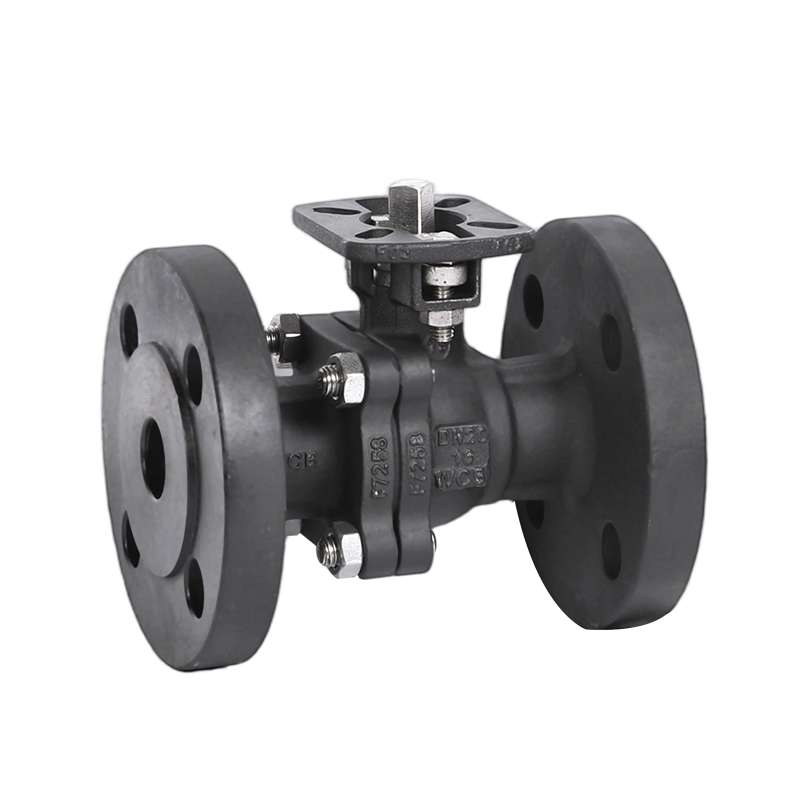
Future developments are likely to focus on enhanced sealing technologies, greater actuator integration, improved corrosion resistance, and easier maintenance access. As facilities seek to maximize uptime while controlling operating costs, solutions such as the High Platform Ball Valve and the Flanged Ball Valve will continue to play a critical role in building safer, more efficient, and future-ready pipeline systems.

CONTACT INFO
 [email protected]
[email protected] +86-13857761200
 +86-0577-86566777
 No. 199, Baiyu Road, Binhai Park, Wenzhou, Zhejiang, China.
Copyright© Zhejiang Lizhi Metal Products Technology Co., Ltd. All Rights Reserved.

China Stainless Steel Valves