

Call us: +86-13857761200

Email us:[email protected]
 Get a quote

 EN
EN 
 English
 中文简体
中文简体 Español
 русский
Submit feedback
Pump Castings Manufacturers

CATEGORIES

Pump Castings
We manufacture precision-cast pump components such as pump bodies, impellers, and casings using medium-temperature wax investment casting processes. The investment casting process allows for complex internal geometries in pump bodies that would be impossible with other manufacturing methods. Our pump castings feature smooth flow channels and precise dimensions, making them ideal for chemical pumps, centrifugal pumps, and sewage pumps in harsh operating conditions. The optimized design enhances hydraulic efficiency and extends service life.
-
Investment Silica Sol Water Pump Body Casting
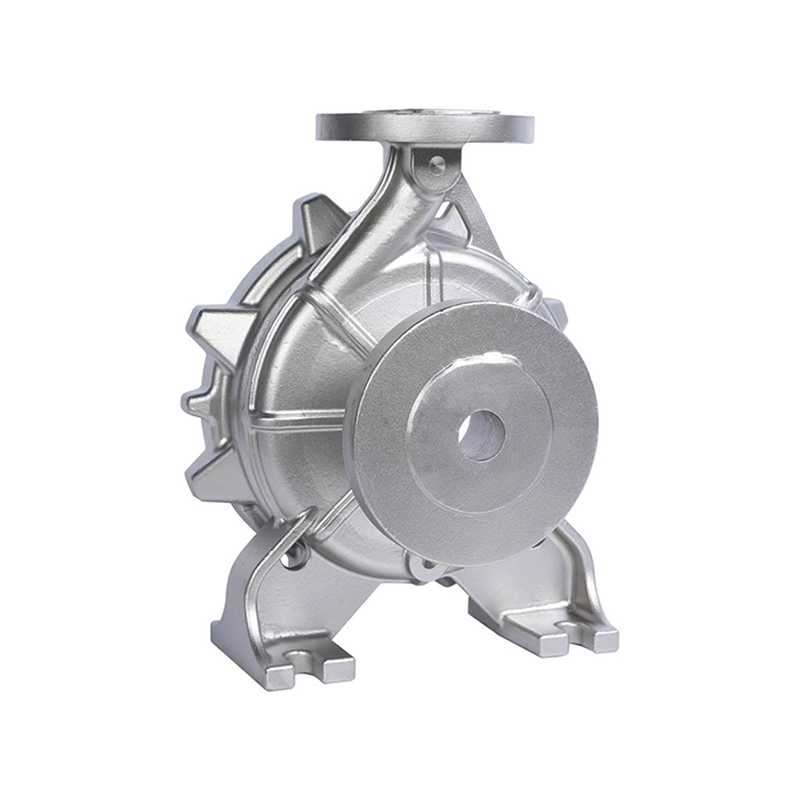
Details:
Investment silica sol casting is a high-precision manufacturing process used to ...View More -
Precision Casting Steel Pump Housing
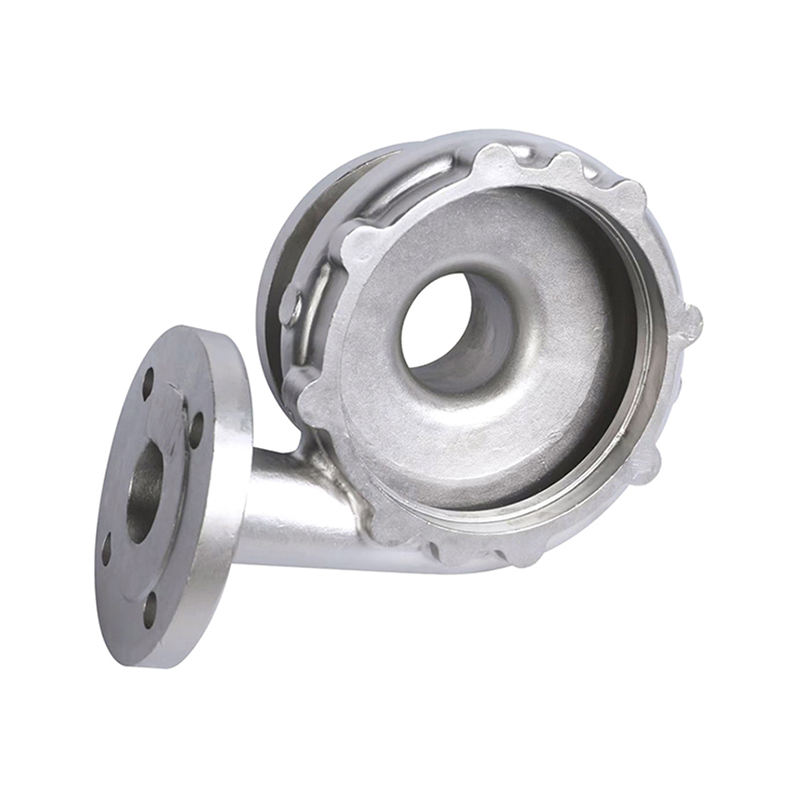
Details:
Precision casting steel pump housings are critical components designed to withst...View More -
Stainless Steel Inlet & Outlet Section Casting Parts
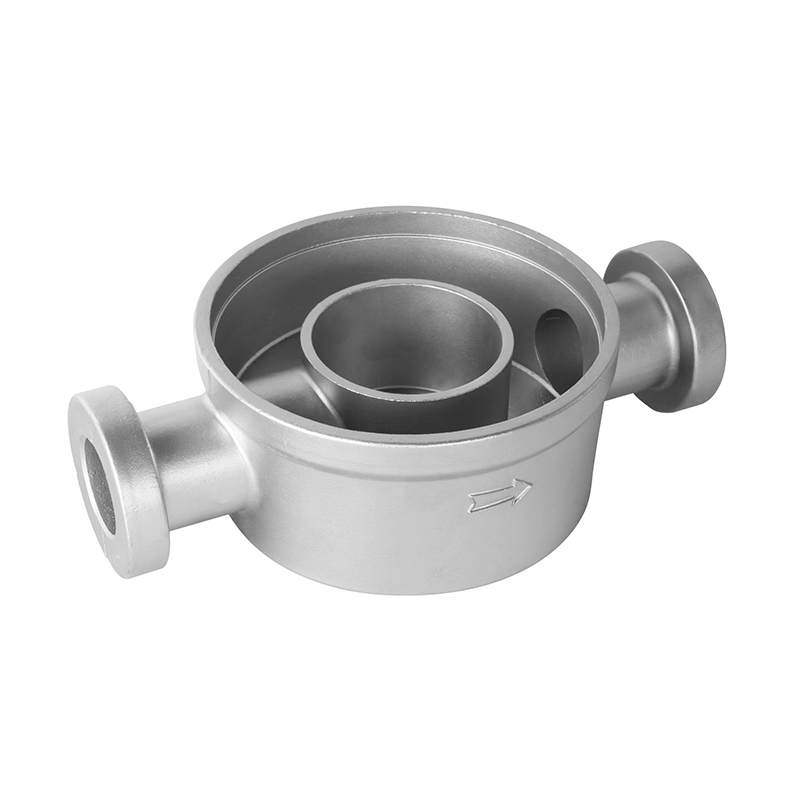
Details:
Stainless steel inlet and outlet casting parts are essential for ensuring leak-f...View More -
Precision Investment Pump Casting Parts
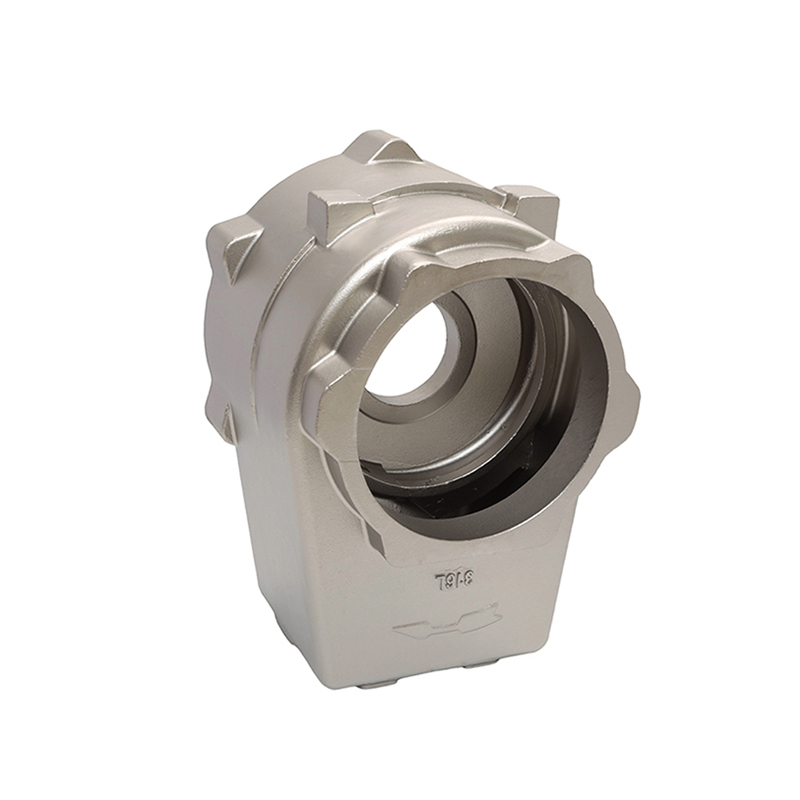
Details:
Precision investment casting is widely recognized for manufacturing high-accurac...View More -
Steel Lost Wax Casting Pump Parts
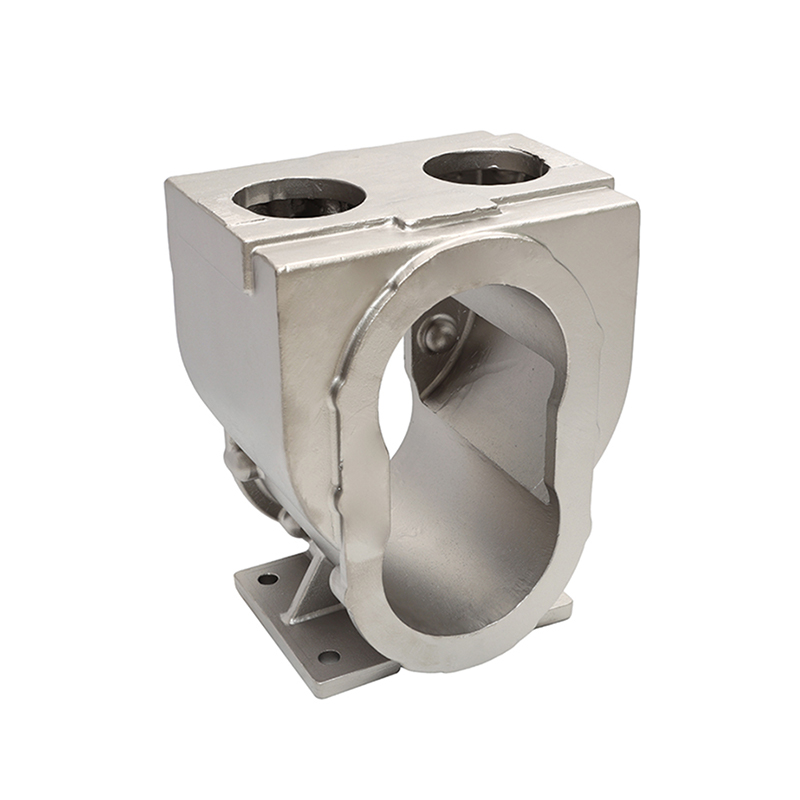
Details:
Steel lost wax casting pump parts are manufactured using the investment casting ...View More -
Lost Wax Investment Precision Pump Casting Parts
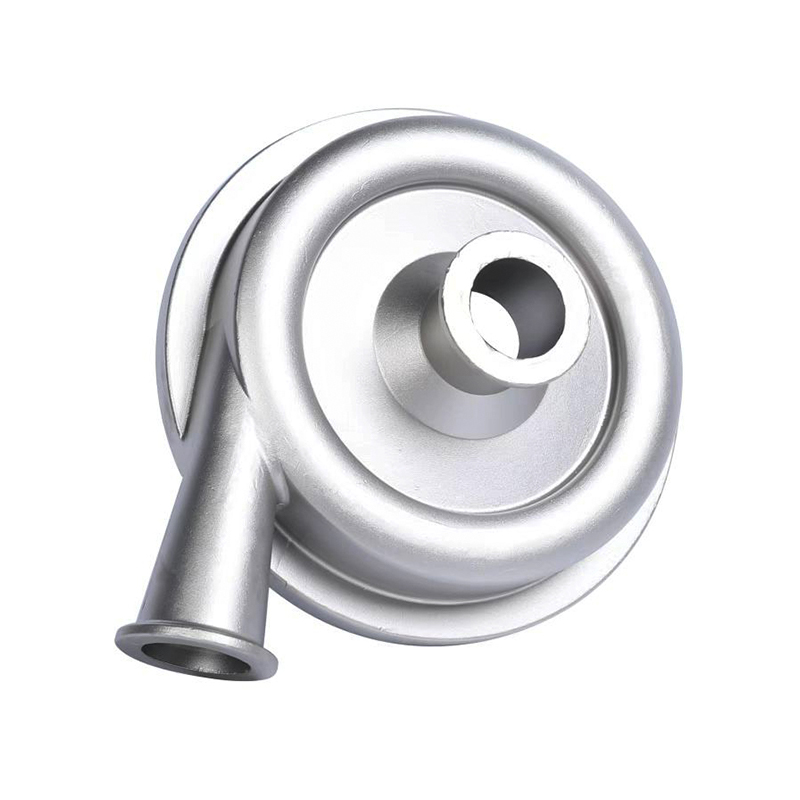
Details:
Lost wax investment precision pump casting parts are known for their tight toler...View More -
Investment Stainless Steel Casting Pump Parts
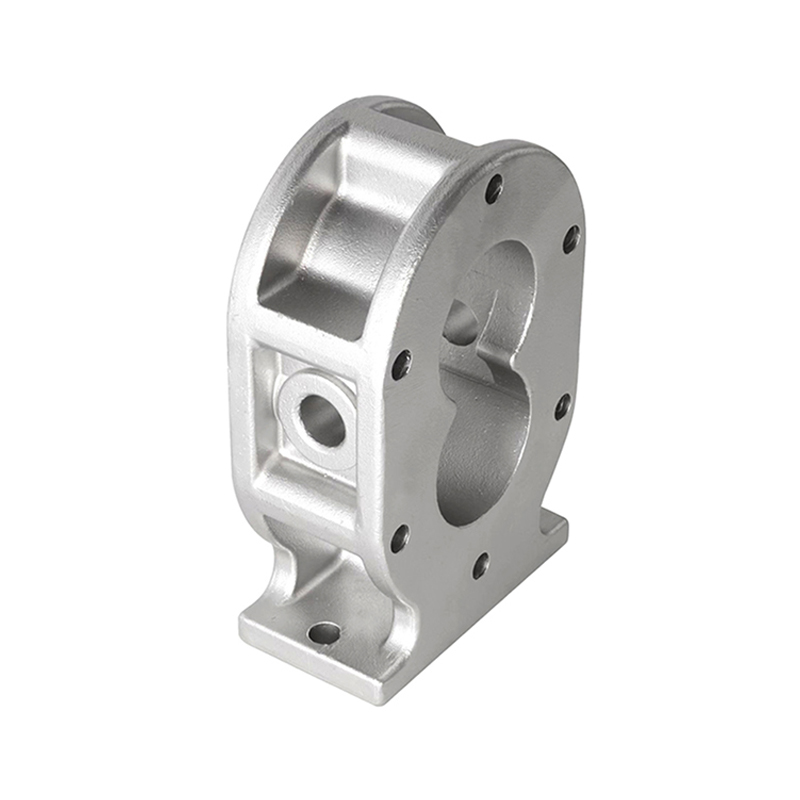
Details:
Investment stainless steel casting pump parts are designed for applications requ...View More -
Stainless Steel/Carbon Steel Pump Closed Impeller
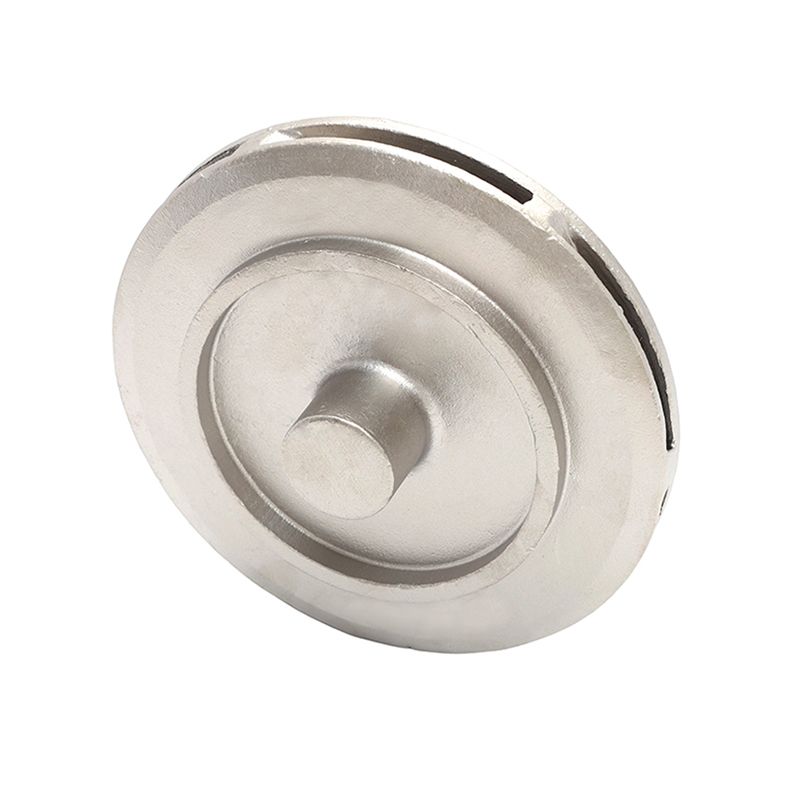
Details:
Stainless steel and carbon steel pump closed impellers are critical components i...View More -
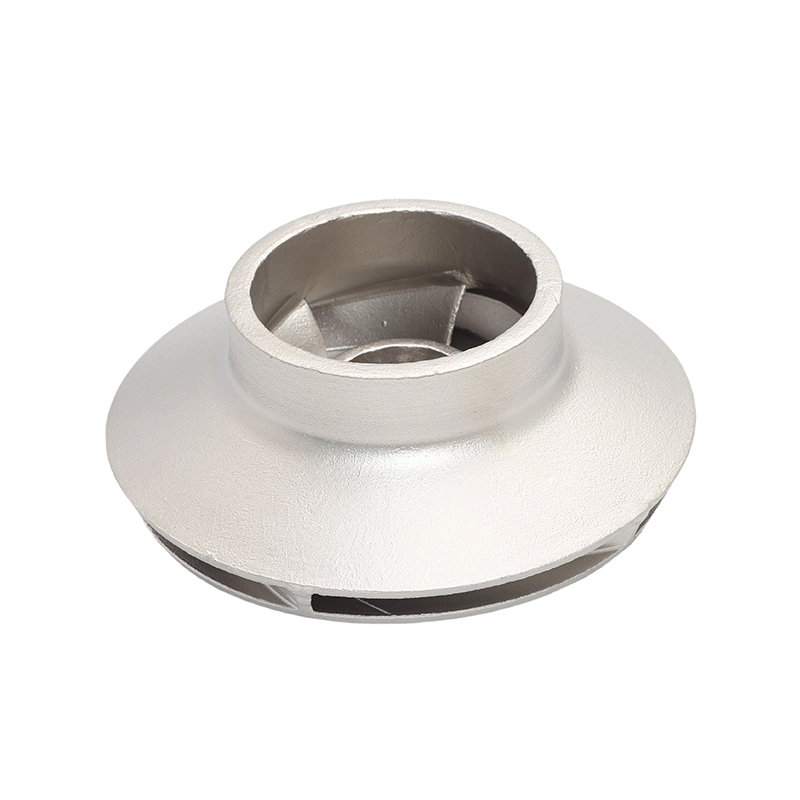
Silico Sol Casting Stainless Steel Impeller
Details:
Silica sol casting stainless steel impellers are produced using a high-precision...View More
About Us
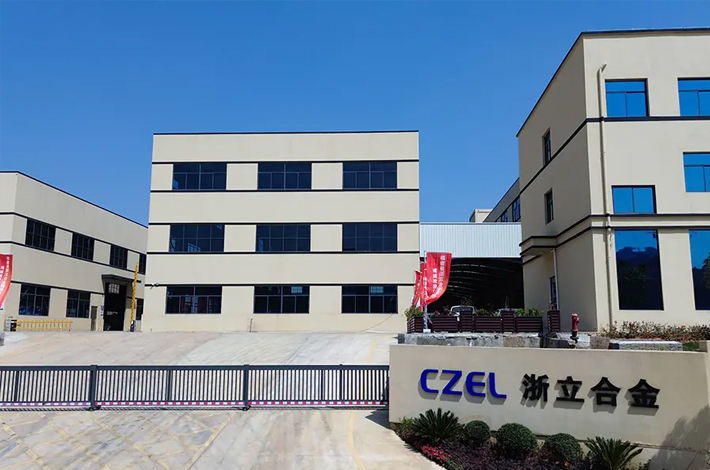
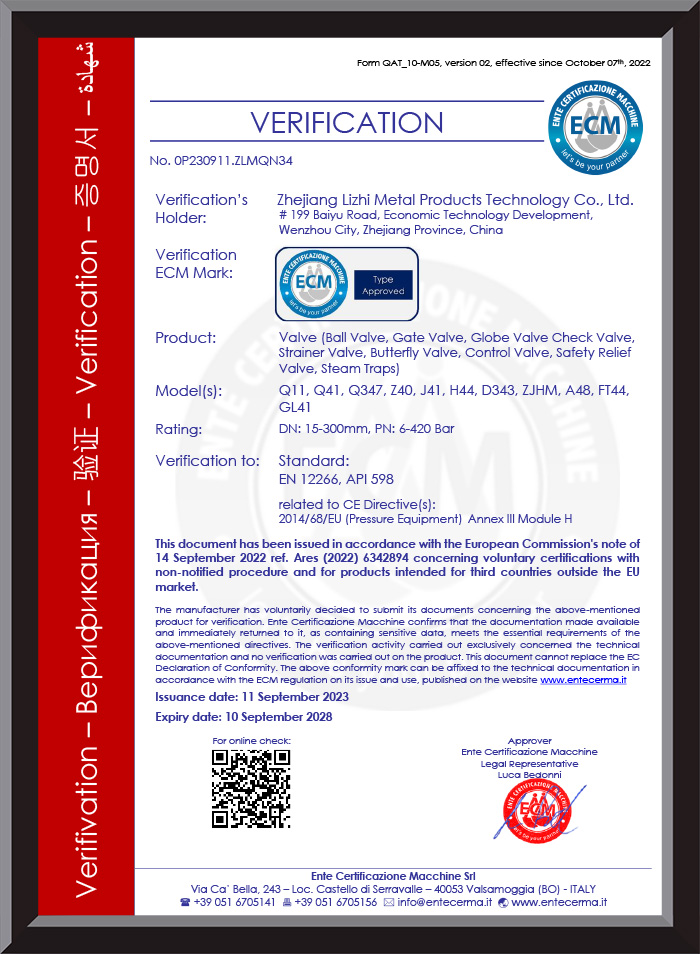
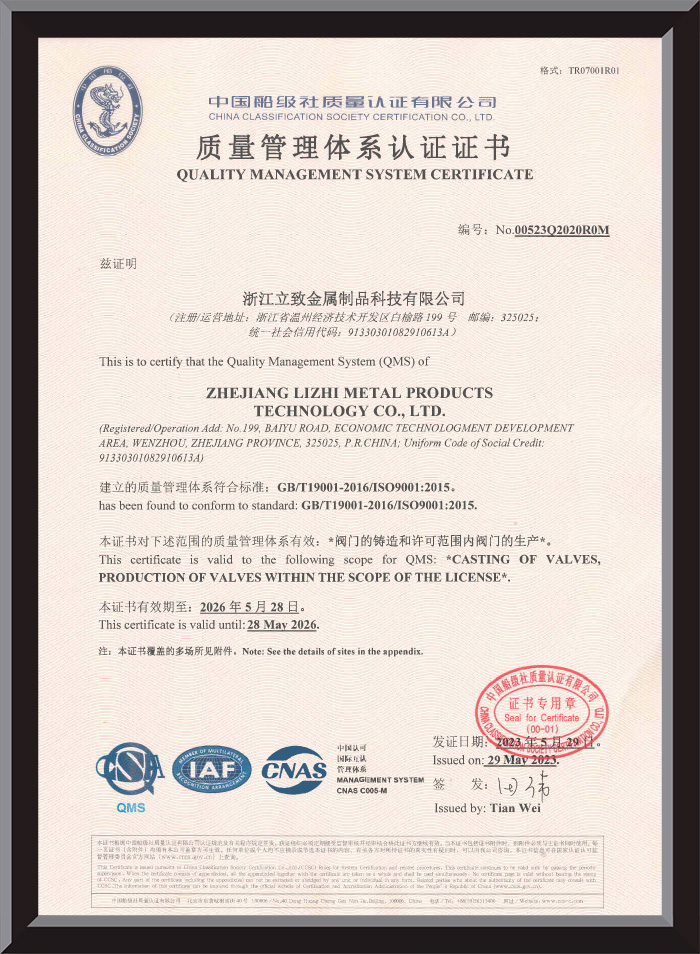
After more than 20 years of hard work, the company has strong technical strength and has established a production, learning and research integration with major domestic universities, forming its own product characteristics and technical advantages. The company mainly produces various precision castings and valve products such as valves, pumps, auto parts, marine parts, hardware and engineering machinery parts. The main materials are: austenitic stainless steel, carbon steel, duplex steel, nickel-based alloy, high silicon alloy, titanium alloy, etc. The annual output of various stainless steel castings is 8,000 tons (production capacity 12,000 tons/year). The company fully implements TUV: ISO9001-2015 and EU CE certification system management, and introduces 6S performance management lean production.
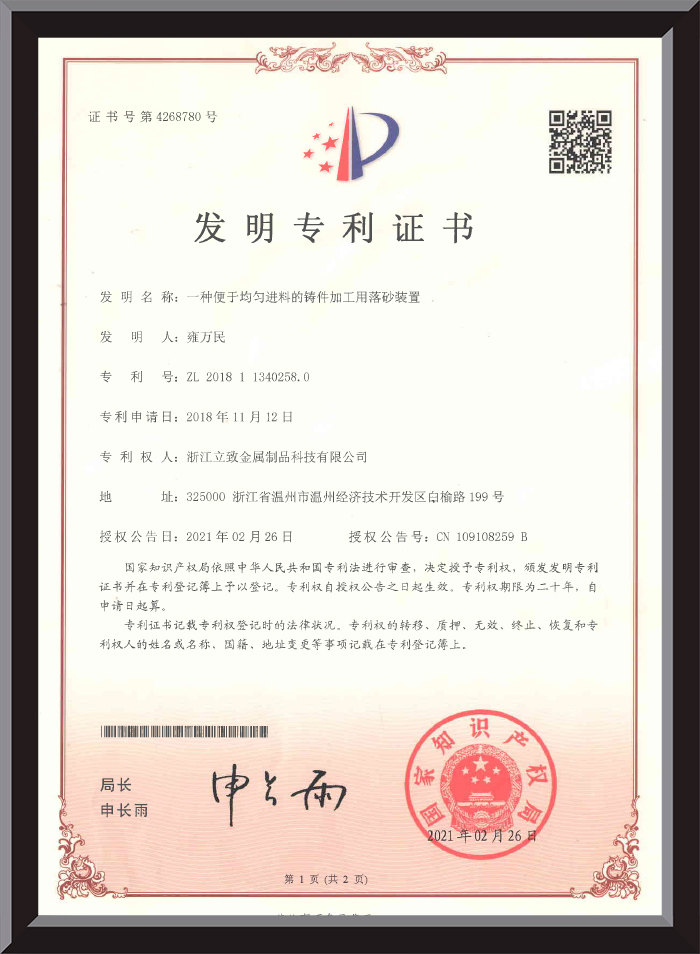
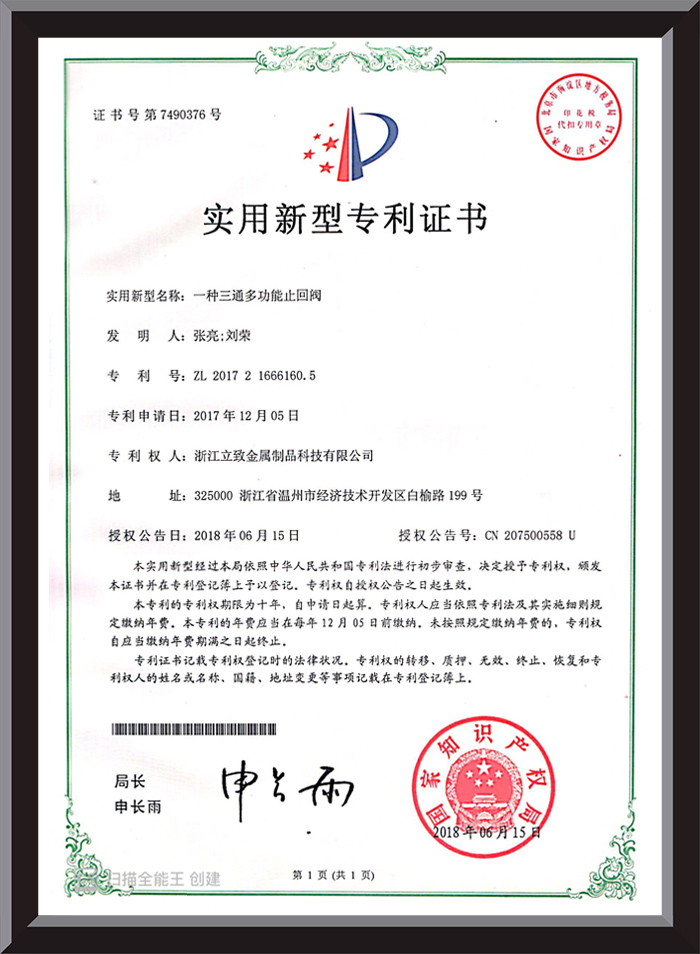
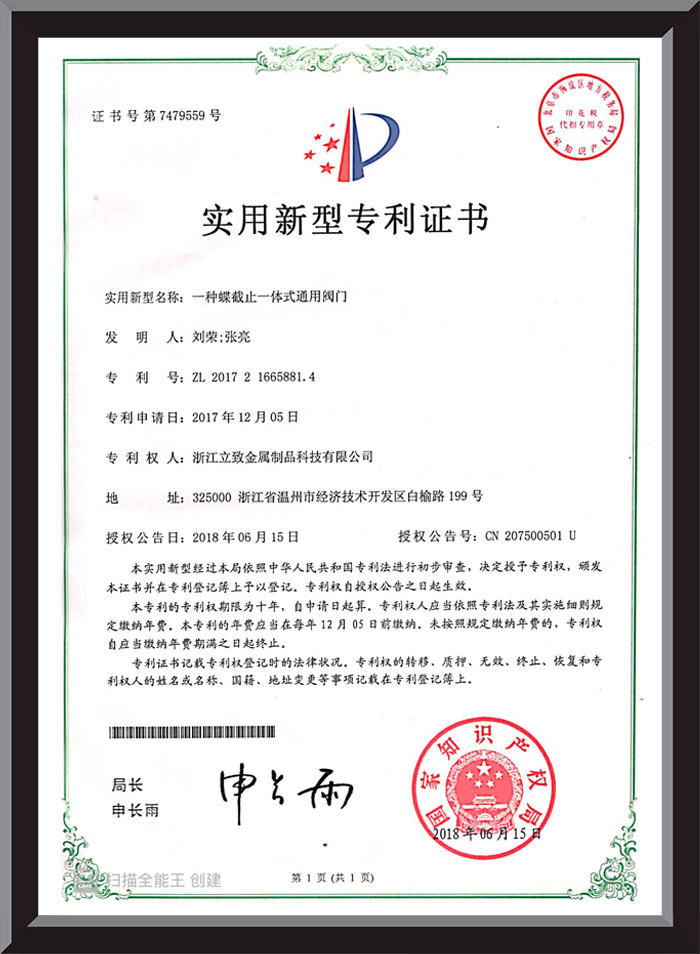
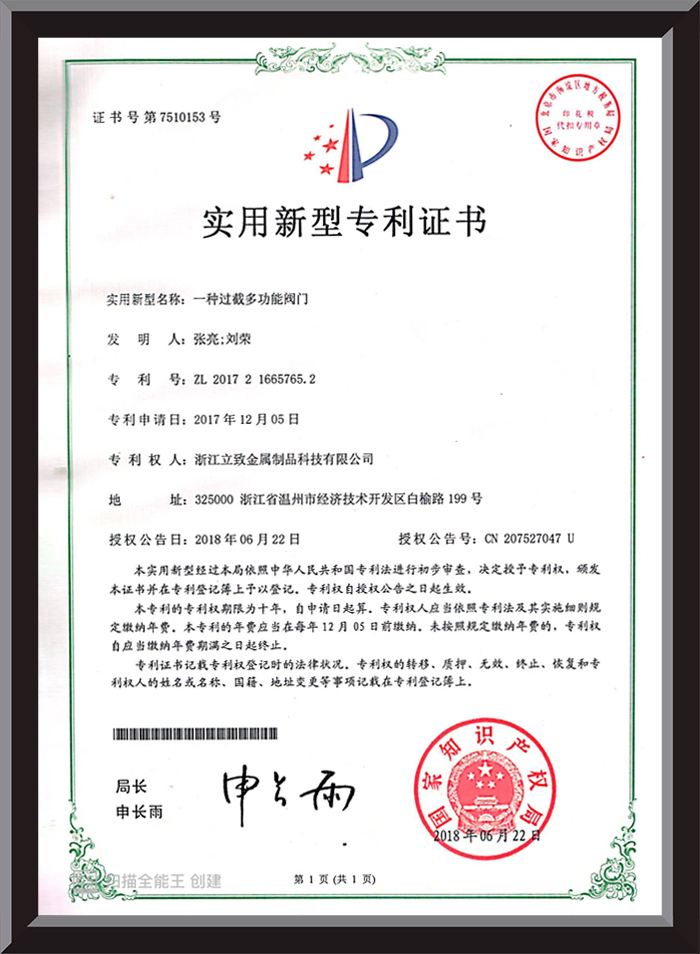
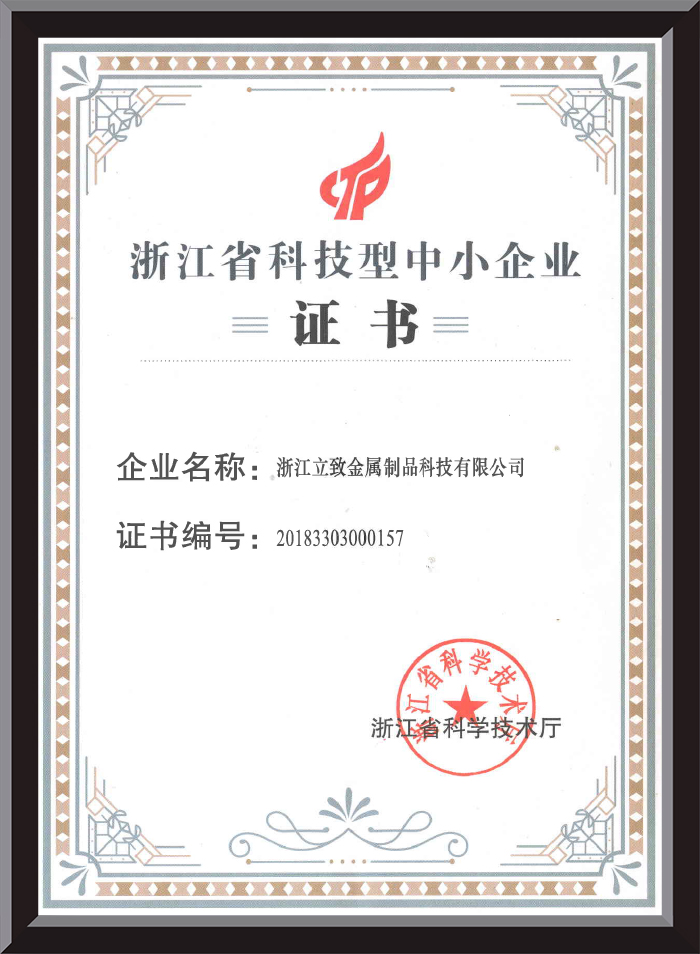
Certificate of Honor
Latest News
-
Industry News 2026-07-03
As industrial automation continues to expand across sectors such as water treatment, chemical processing, food manu...
Read More -
Industry News 2026-06-26
Energy efficiency has become one of the most discussed topics across industrial sectors in 2025. Whether in water t...
Read More -
Industry News 2026-06-19
As industries continue investing in automation, energy efficiency, and smarter production lines, reliability has be...
Read More -
Industry News 2026-06-12
Across global industrial sectors such as petrochemical processing, water treatment, HVAC systems, and energy infras...
Read More -
Industry News 2026-06-05
As global industries continue to expand in petrochemical processing, water treatment, power generation, and manufac...
Read More
Contact Us Now
Industry knowledge
Pump castings refer to metal components produced through casting processes specifically for use in pumps and fluid handling systems. These parts include casings, impellers, housings, and covers, which are essential for directing fluid flow and maintaining pressure. Pump castings are typically made from materials such as stainless steel, carbon steel, cast iron, or bronze, depending on the application and working environment. The casting process allows for complex shapes, strong mechanical properties, and smooth internal surfaces that enhance flow efficiency. Pump castings are widely used in industries such as water treatment, chemical processing, oil and gas, and power generation, providing durability, reliability, and performance under varying operating conditions.
Process and Applications of Lost Wax Casting
Lost wax investment casting is a traditional yet precise metal-forming technique used to produce intricate components with consistent accuracy and fine surface finishes. The process begins with the creation of a wax model that replicates the shape of the final part. This wax pattern is repeatedly coated with a ceramic slurry to build a strong shell. Once the shell hardens, the wax is melted out, leaving a cavity that forms the mold. Molten metal is then poured into the mold, allowed to cool, and the ceramic shell is carefully removed to reveal the finished casting.
This method supports a wide range of metals, including stainless steel, carbon steel, aluminum, and various alloys. It is suitable for complex parts where other manufacturing techniques may require extensive machining. Lost wax casting allows the production of components with intricate geometries, tight tolerances, and small surface defects.
Industries such as aerospace, automotive, marine, and machinery manufacturing commonly use investment casting to produce parts like turbine blades, impellers, valves, and precision fittings. The process smalls material waste and enables the efficient production of both small and medium-sized parts. With proper control of each production stage, lost wax investment casting provides a reliable and economical solution for manufacturing high-quality metal components suited to diverse industrial needs.
Manufacturing Process of Steel Pump Housings
Casting steel pump housing is a manufacturing process used to create the outer casing or body of pumps, designed to hold and protect internal components while directing the movement of fluids. The process typically begins by designing a mold that matches the shape of the desired housing. Molten steel is poured into the mold, filling the cavity to form the part. After cooling and solidification, the casting is removed, cleaned, and finished through machining or surface treatment to meet dimensional and performance requirements.
Steel pump housings are valued for their strength, wear resistance, and ability to handle high pressure and temperature conditions. They are often made from carbon steel, stainless steel, or alloy steel, depending on the working environment. These materials ensure durability and resistance to corrosion and mechanical stress.
The cast steel pump housing is widely applied in industries such as water treatment, petrochemical processing, power generation, and shipbuilding. It plays an essential role in ensuring the efficiency and stability of pumps that transport liquids or gases under various operating conditions. The casting process provides flexibility in design, allowing the production of housings with complex geometries and integrated features that support reliable pump performance in demanding industrial systems.

CONTACT INFO
 [email protected]
[email protected] +86-13857761200
 +86-0577-86566777
 No. 199, Baiyu Road, Binhai Park, Wenzhou, Zhejiang, China.
Copyright© Zhejiang Lizhi Metal Products Technology Co., Ltd. All Rights Reserved.

Lost Wax Investment Casting Supplier