

Call us: +86-13857761200

Email us:[email protected]
 Get a quote

 EN
EN 
 English
 中文简体
中文简体 Español
 русский
Submit feedback

CATEGORIES

Precision Castings
As a professional manufacturer specializing in stainless steel precision casting, silica sol precision casting, and medium-temperature wax precision casting, we produce high-performance metal castings with high dimensional accuracy, nice surface finishes, and outstanding mechanical properties. Our full-spectrum production facility houses advanced investment casting lines capable of producing castings ranging from 0.1kg to 300kg in weight. We serve demanding industries, including oil & gas, chemical processing, power generation, and heavy machinery, with castings that meet ASTM, DIN, JIS, and GB standards. Our engineering team provides comprehensive DFM (Design for Manufacturing) analysis to optimize part geometry for both casting feasibility and end-use performance.
-
Investment Silica Sol Water Pump Body Casting
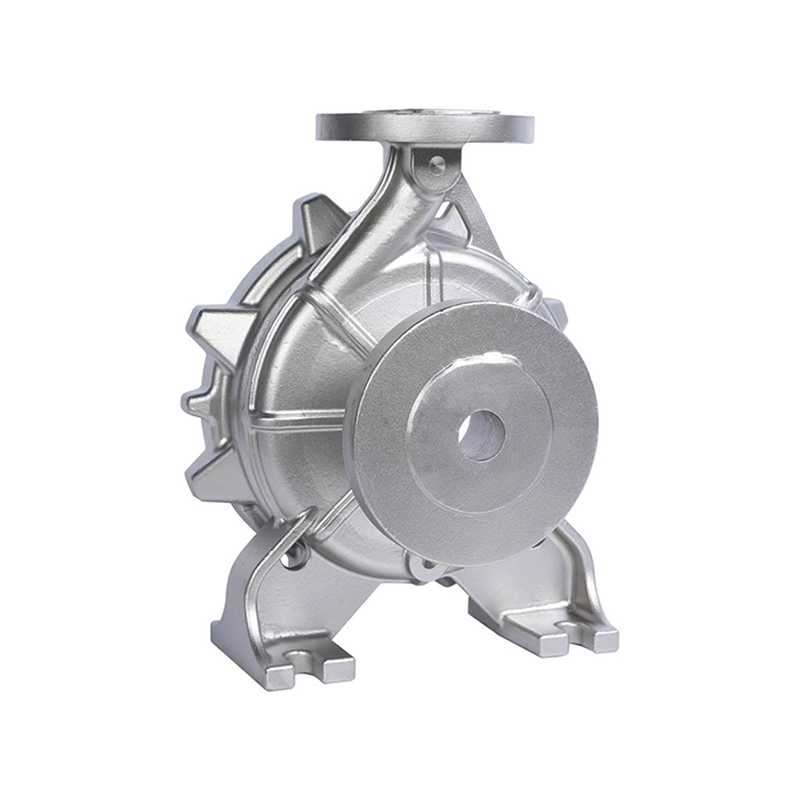
Details:
Investment silica sol casting is a high-precision manufacturing process used to ...View More -
Precision Casting Steel Pump Housing
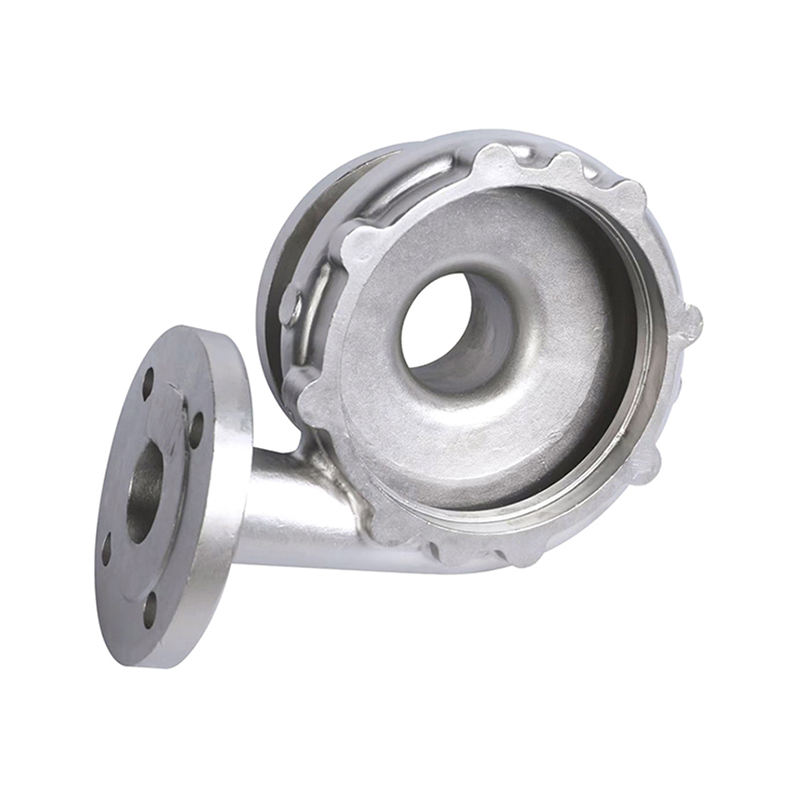
Details:
Precision casting steel pump housings are critical components designed to withst...View More -
Stainless Steel Inlet & Outlet Section Casting Parts
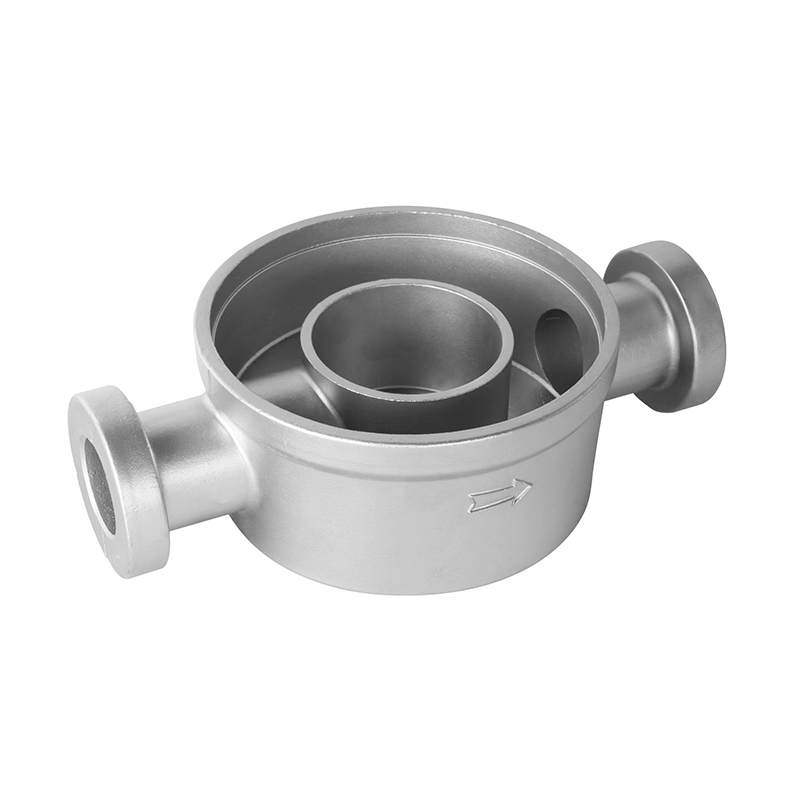
Details:
Stainless steel inlet and outlet casting parts are essential for ensuring leak-f...View More -
Precision Investment Pump Casting Parts
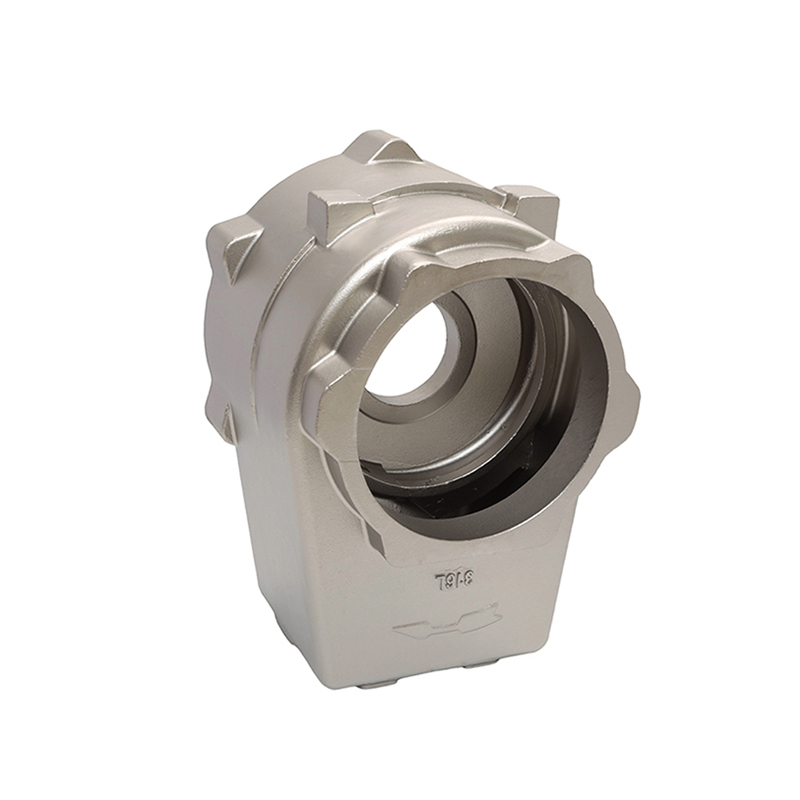
Details:
Precision investment casting is widely recognized for manufacturing high-accurac...View More -
Steel Lost Wax Casting Pump Parts
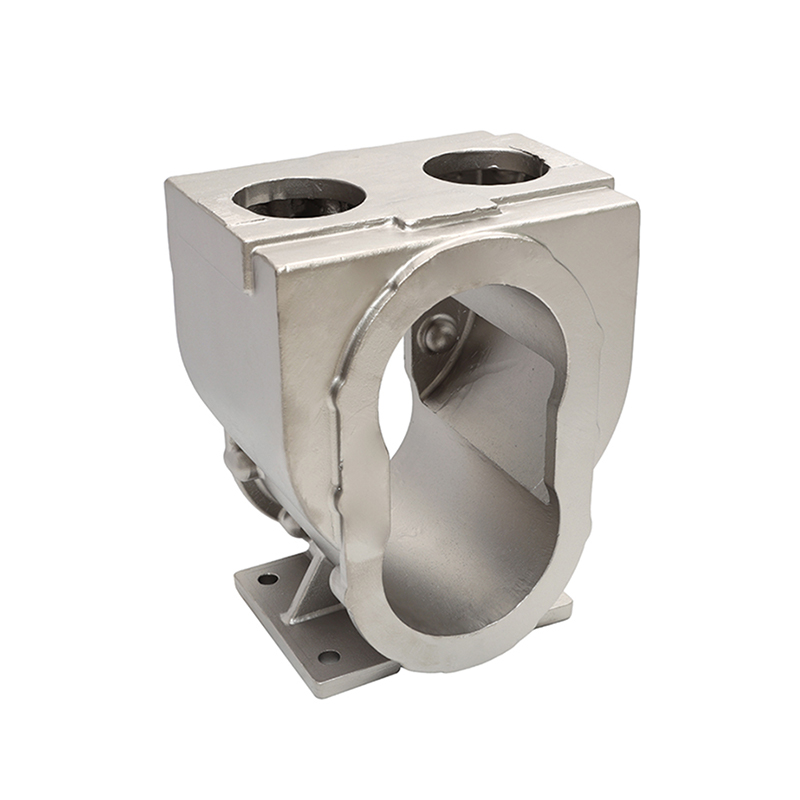
Details:
Steel lost wax casting pump parts are manufactured using the investment casting ...View More -
Lost Wax Investment Precision Pump Casting Parts
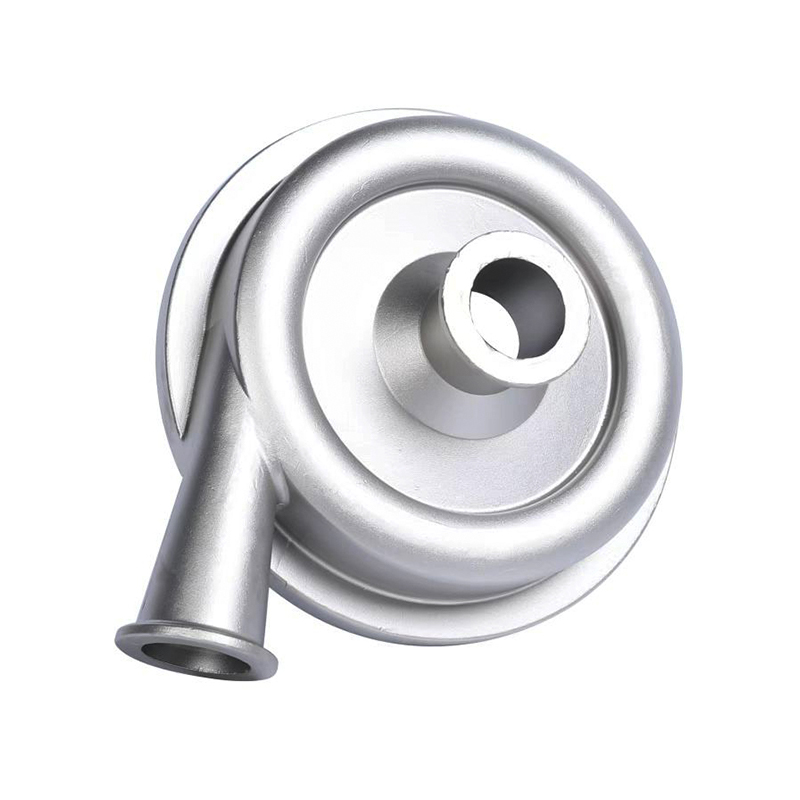
Details:
Lost wax investment precision pump casting parts are known for their tight toler...View More -
Investment Stainless Steel Casting Pump Parts
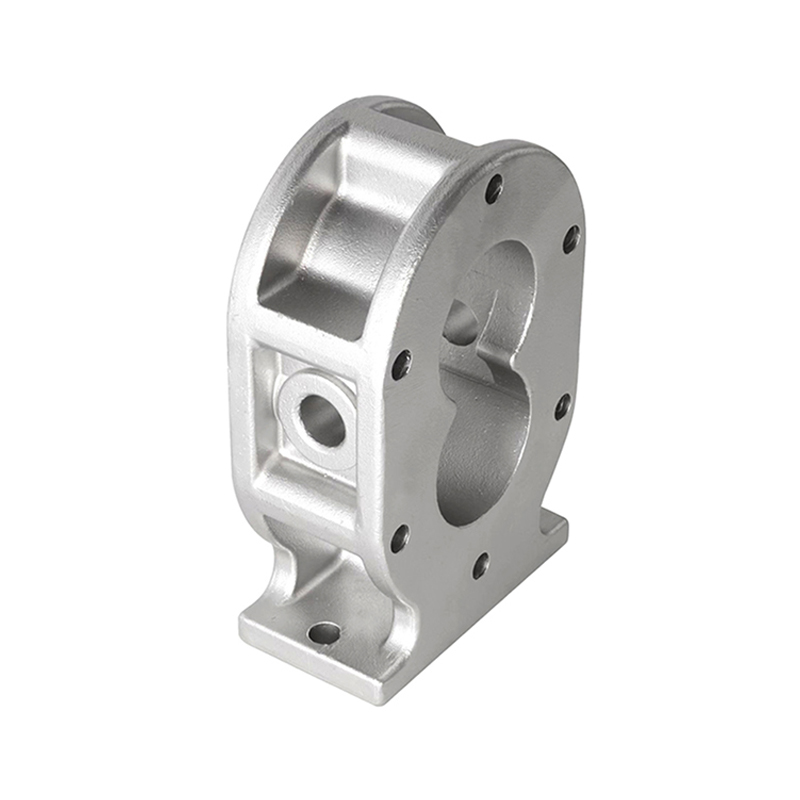
Details:
Investment stainless steel casting pump parts are designed for applications requ...View More -
Stainless Steel/Carbon Steel Pump Closed Impeller
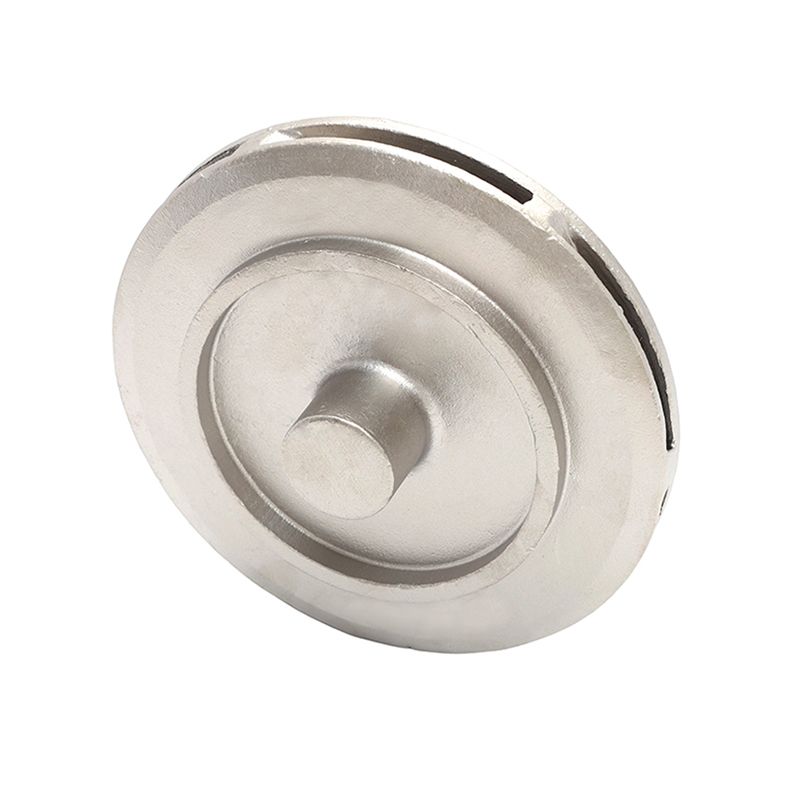
Details:
Stainless steel and carbon steel pump closed impellers are critical components i...View More -
Silico Sol Casting Stainless Steel Impeller
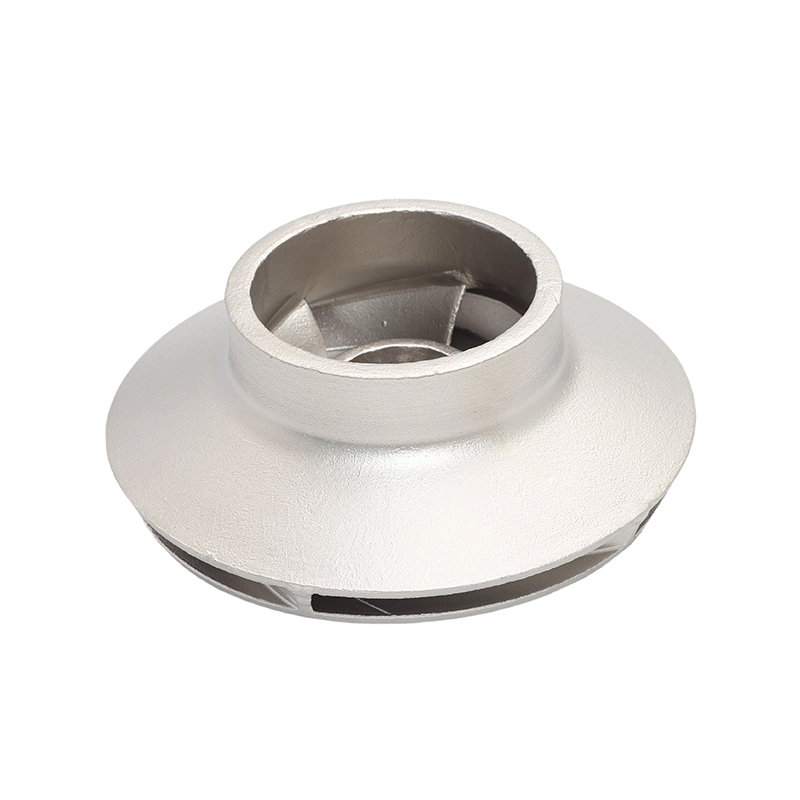
Details:
Silica sol casting stainless steel impellers are produced using a high-precision...View More -
PN16 DN150 Precision Control Valve Parts Casting
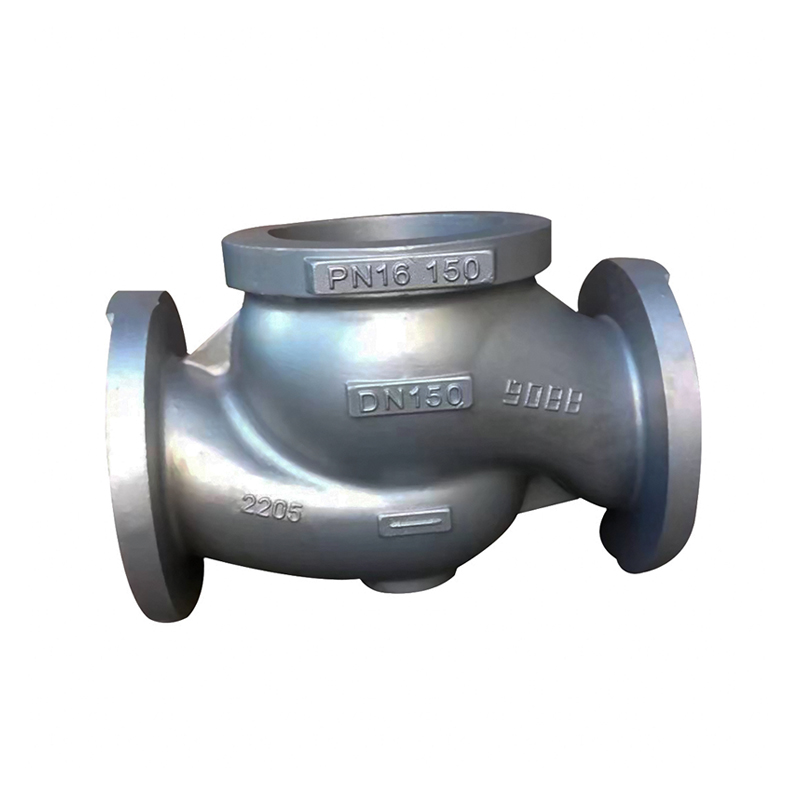
Details:
Our PN16 DN150 Precision Control Valve Parts Casting is manufactured using high-...View More -
DN65 PN10/16 CF8 Manual Ball Valve Casting
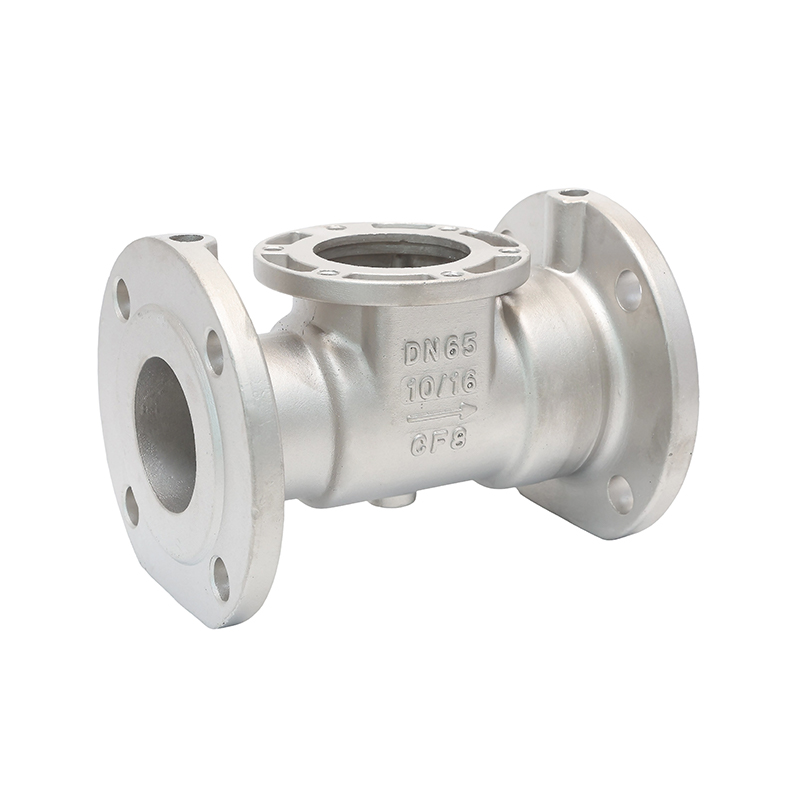
Details:
The DN65 PN10/16 CF8 Manual Ball Valve Casting is produced via lost-wax (investm...View More -
DN100 CF8 Flanged Valve Body Casting
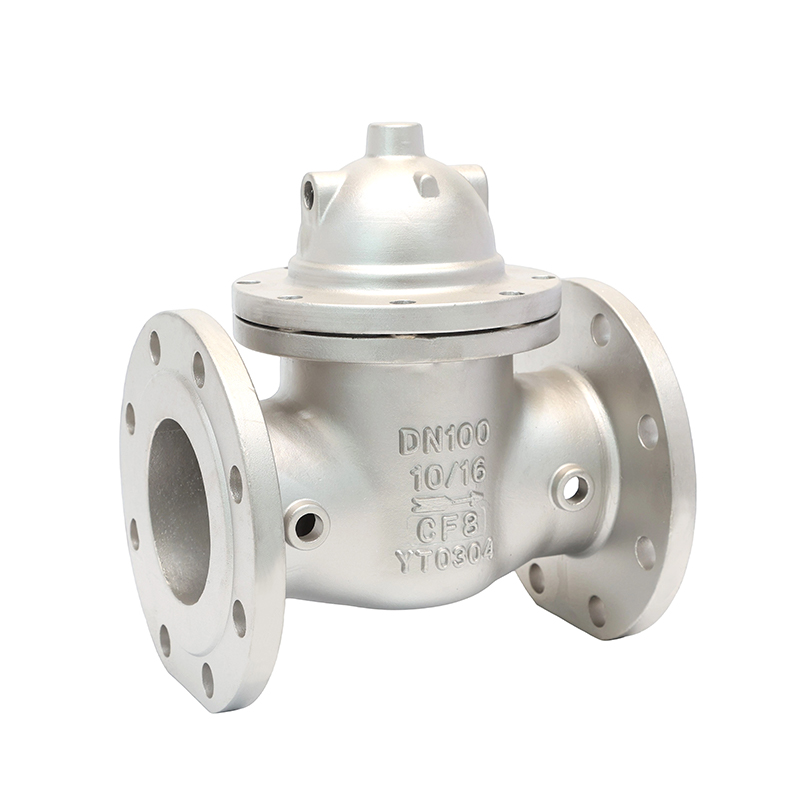
Details:
This precision-cast valve body is engineered for PN10/16 flanged valves, fabrica...View More
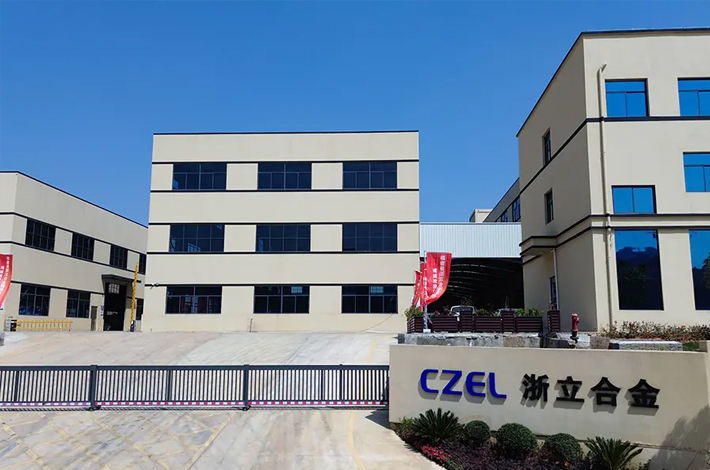
About Us
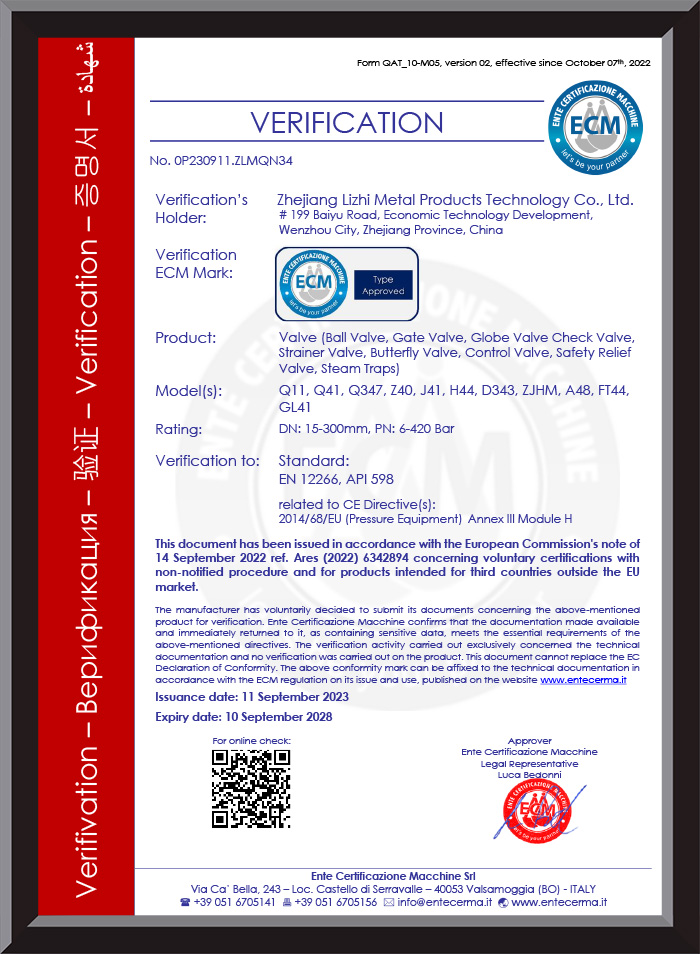
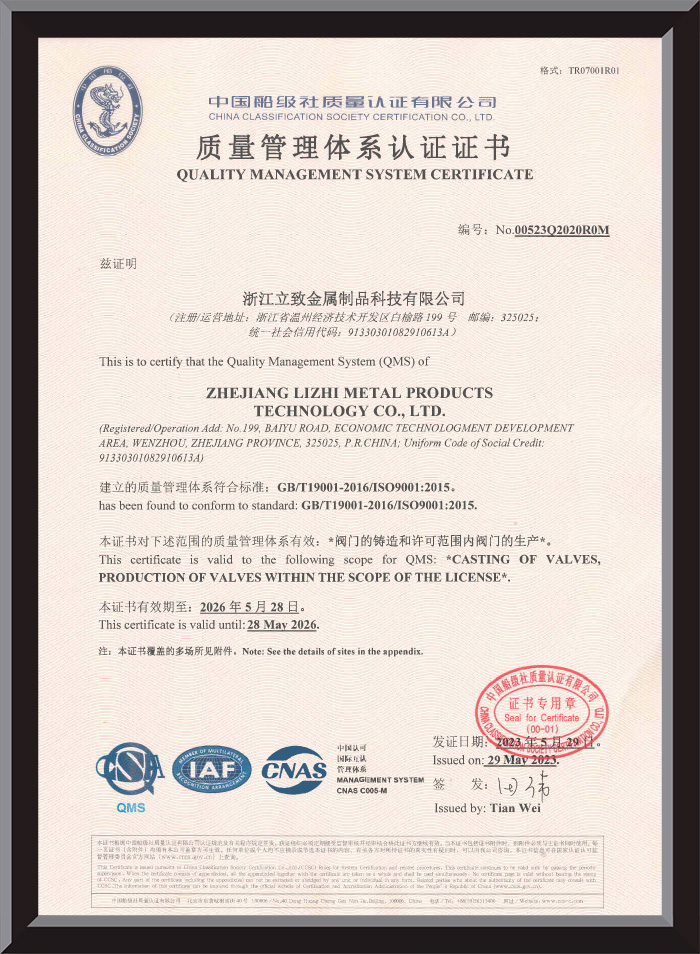
After more than 20 years of hard work, the company has strong technical strength and has established a production, learning and research integration with major domestic universities, forming its own product characteristics and technical advantages. The company mainly produces various precision castings and valve products such as valves, pumps, auto parts, marine parts, hardware and engineering machinery parts. The main materials are: austenitic stainless steel, carbon steel, duplex steel, nickel-based alloy, high silicon alloy, titanium alloy, etc. The annual output of various stainless steel castings is 8,000 tons (production capacity 12,000 tons/year). The company fully implements TUV: ISO9001-2015 and EU CE certification system management, and introduces 6S performance management lean production.
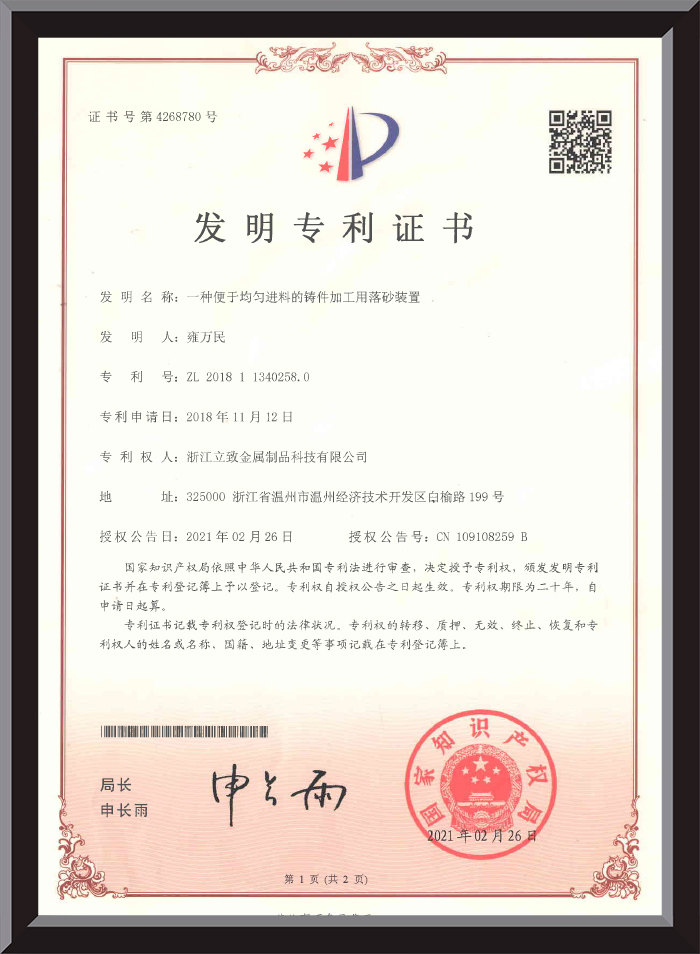
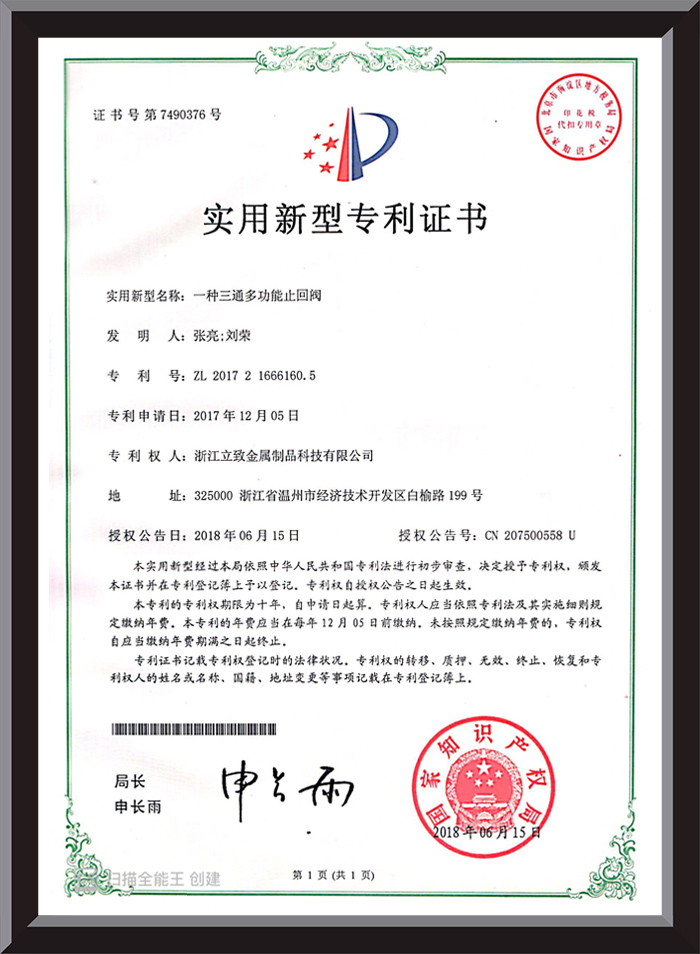
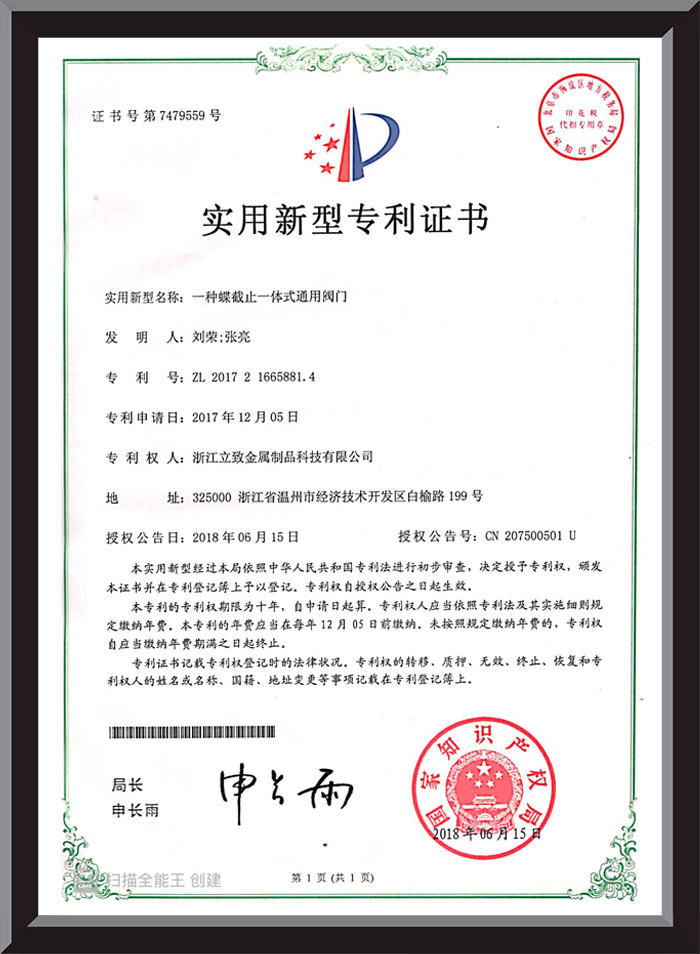
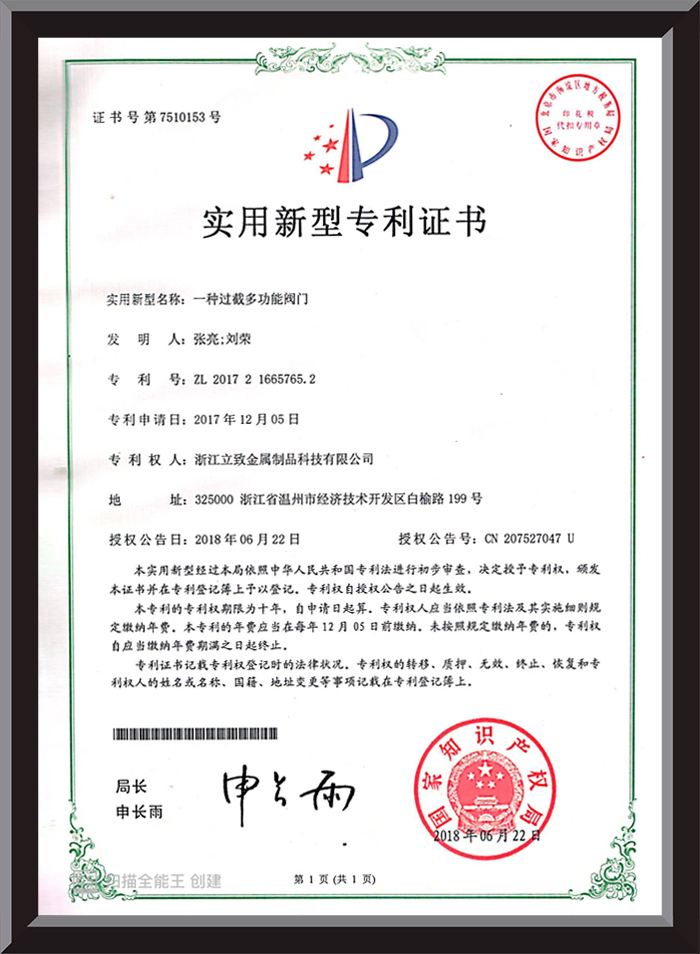
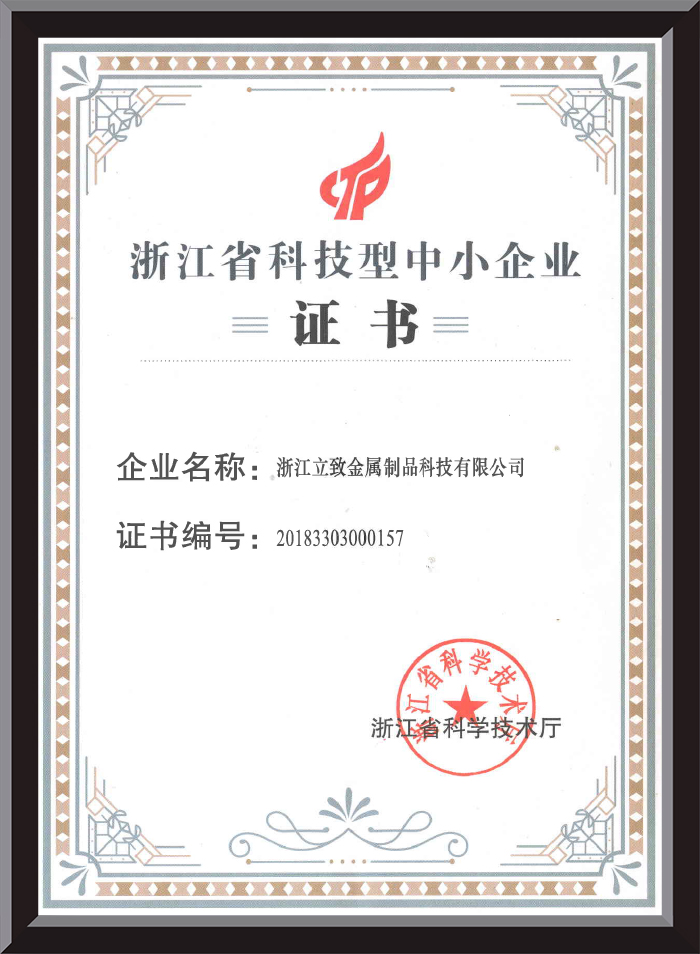
Certificate of Honor
Latest News
-
Industry News 2026-07-03
As industrial automation continues to expand across sectors such as water treatment, chemical processing, food manu...
Read More -
Industry News 2026-06-26
Energy efficiency has become one of the most discussed topics across industrial sectors in 2025. Whether in water t...
Read More -
Industry News 2026-06-19
As industries continue investing in automation, energy efficiency, and smarter production lines, reliability has be...
Read More -
Industry News 2026-06-12
Across global industrial sectors such as petrochemical processing, water treatment, HVAC systems, and energy infras...
Read More -
Industry News 2026-06-05
As global industries continue to expand in petrochemical processing, water treatment, power generation, and manufac...
Read More
Contact Us Now
Industry knowledge
Precision casting, also known as investment casting, is a manufacturing process used to produce complex metal components with high dimensional accuracy and good surface finish. The process involves creating a wax pattern, coating it with ceramic material to form a mold, and then melting out the wax before pouring molten metal into the cavity. After cooling and solidification, the ceramic shell is removed to reveal the finished part. Precision casting is suitable for a wide range of metals, including stainless steel, carbon steel, and alloys. It smalls machining needs and material waste while allowing the production of intricate shapes.
Applications of Precision Casting in Modern Metal Fabrication
Metal precision casting is a refined manufacturing process designed to produce metal components with detailed geometries and consistent dimensional accuracy. The technique is often referred to as investment casting and involves several key steps. one, a wax pattern is made to replicate the desired part. This pattern is then repeatedly coated with ceramic slurry to form a durable shell. After drying, the wax is removed by heating, leaving a hollow mold ready for metal pouring. Molten metal is introduced into the mold, allowed to cool, and then the ceramic shell is broken away to reveal the final casting.
This process supports the use of various metals such as carbon steel, alloy steel, copper, aluminum, and others. It is suitable for parts that require smooth surfaces, close tolerances, and complex internal features. Metal precision casting is used across multiple industries, including machinery, transportation, energy, and construction. Typical products include turbine blades, pump housings, valve bodies, and decorative fittings.
The main advantages of metal precision casting are reduced machining time, efficient material usage, and flexibility in design. It allows the production of both small and medium-sized parts that are difficult to achieve through traditional fabrication methods. By maintaining consistent process control and quality inspection, metal precision casting provides a reliable approach for creating durable and accurately shaped components that meet industrial performance standards.
Industrial Uses of Stainless Steel Precision Casting Technology
Stainless steel precision casting is a casting process used to manufacture detailed and corrosion-resistant metal parts. It follows the investment casting method, where a wax pattern is coated with ceramic material to create a mold. Once the wax is removed, molten stainless steel is poured into the mold to form the desired component. After solidification, the shell is removed, and the casting undergoes surface finishing and inspection.
This process offers the capability to produce components with complex shapes, smooth surfaces, and precise dimensions. Stainless steel, known for its resistance to rust, oxidation, and heat, makes the resulting castings suitable for demanding environments. The process is commonly used in industries such as marine engineering, food processing, medical equipment, chemical machinery, and construction.
Typical applications include impellers, valve bodies, pipe fittings, and machine parts. Stainless steel precision casting smalls the need for extensive machining while maintaining structural strength and aesthetic quality. Its efficiency in reproducing intricate designs and achieving uniform results makes it a practical choice for manufacturing high-quality stainless steel components that meet a variety of technical and functional requirements.

CONTACT INFO
 [email protected]
[email protected] +86-13857761200
 +86-0577-86566777
 No. 199, Baiyu Road, Binhai Park, Wenzhou, Zhejiang, China.
Copyright© Zhejiang Lizhi Metal Products Technology Co., Ltd. All Rights Reserved.

Precision Casting Factory