

Call us: +86-13857761200

Email us:[email protected]
 Get a quote

 EN
EN 
 English
 中文简体
中文简体 Español
 русский
Submit feedback
Mechanical Accessories Castings Manufacturers

CATEGORIES

Mechanical Accessories Castings
We produce custom precision mechanical accessories and castings for a wide variety of applications, including gears, bearing housings, couplings, clamps, pump bodies, shafts, and structural supports. Available in carbon steel, low-alloy steel, stainless steel, and other specialty alloys, our mechanical parts are engineered for high wear resistance, tensile strength, and dimensional precision.
These components are commonly used in automation systems, construction machinery, mining equipment, agricultural machines, and industrial transmission mechanisms.
With CAD/CAM-assisted design, CNC finishing, and strict quality assurance, we ensure tight tolerances and consistent quality across small- and large-batch production. We also support custom engineering and prototyping based on customer drawings or samples.
-
Stainless Steel Investment Casting Mechanical Parts
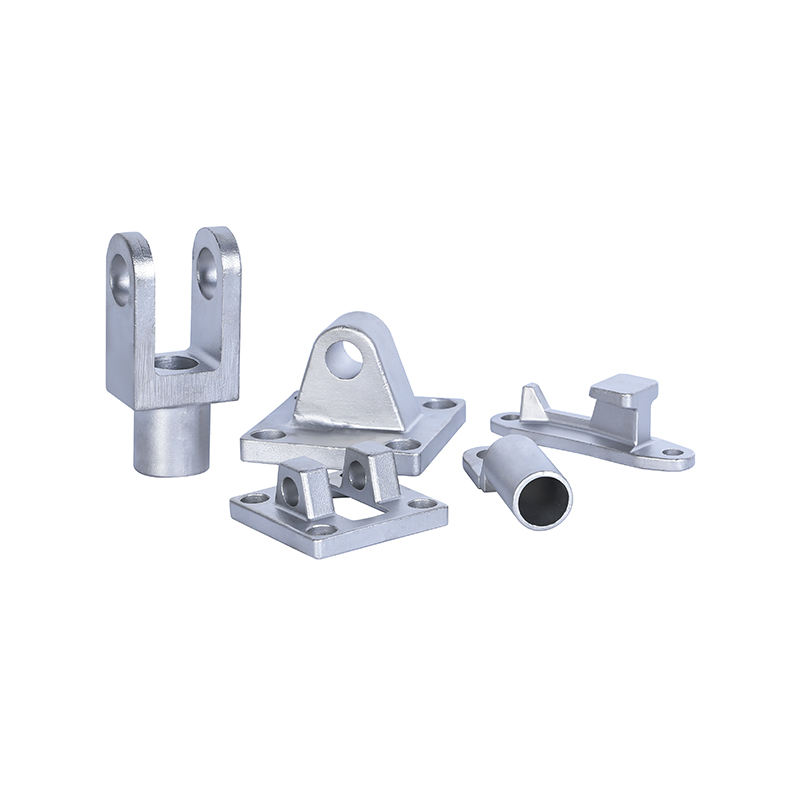
Details:
Stainless steel investment casting mechanical parts are high-performance compone...View More -
Lost Wax Casting for Mechanical Accessories
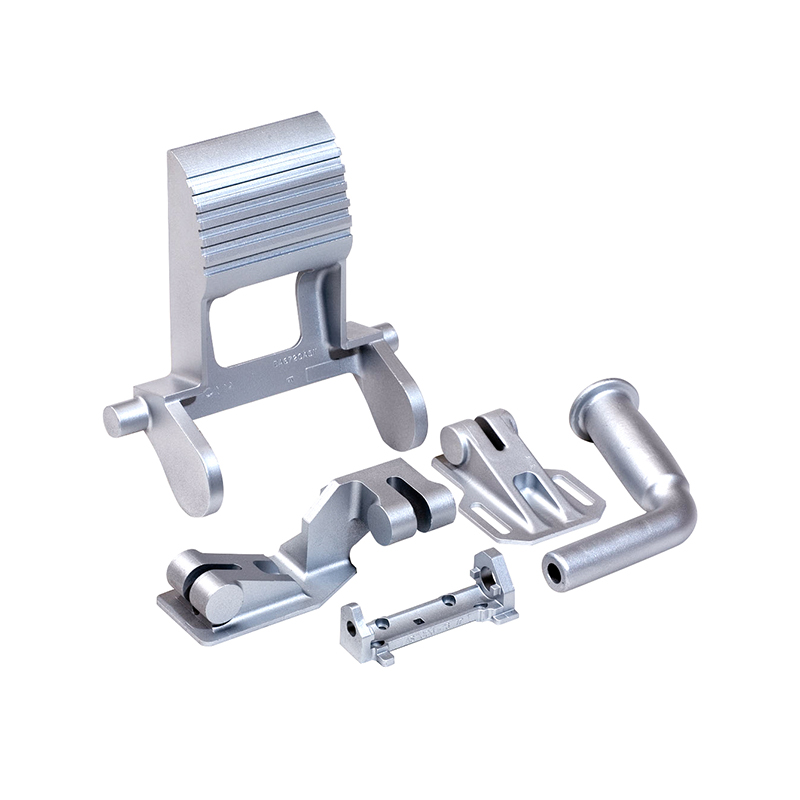
Details:
Lost wax casting is a precision manufacturing process used to produce high-quali...View More -
Metal Casting Components Mechanical Parts
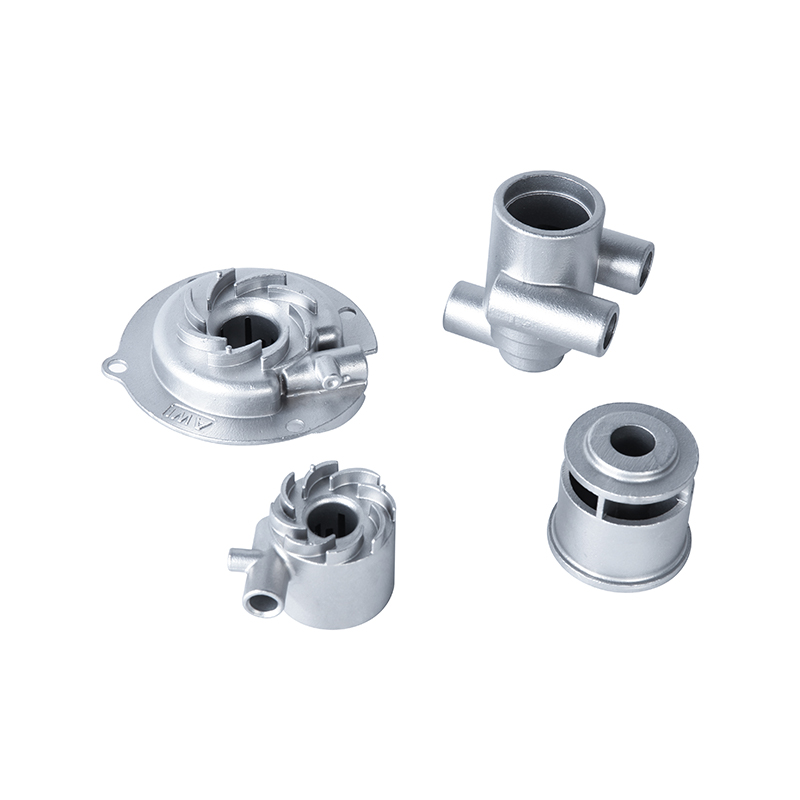
Details:
Our metal casting components are manufactured using advanced casting techniques ...View More -
Precision Lost Wax Casting Parts for Machinery
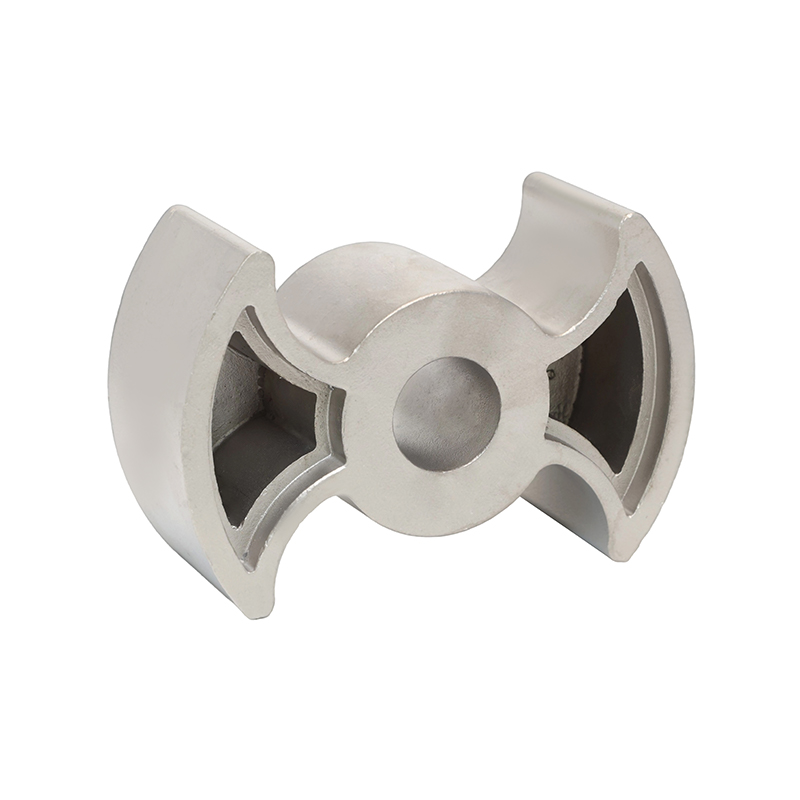
Details:
Precision lost wax casting, also known as investment casting, is ideal for produ...View More -
Machinery Stainless Steel Investment Casting
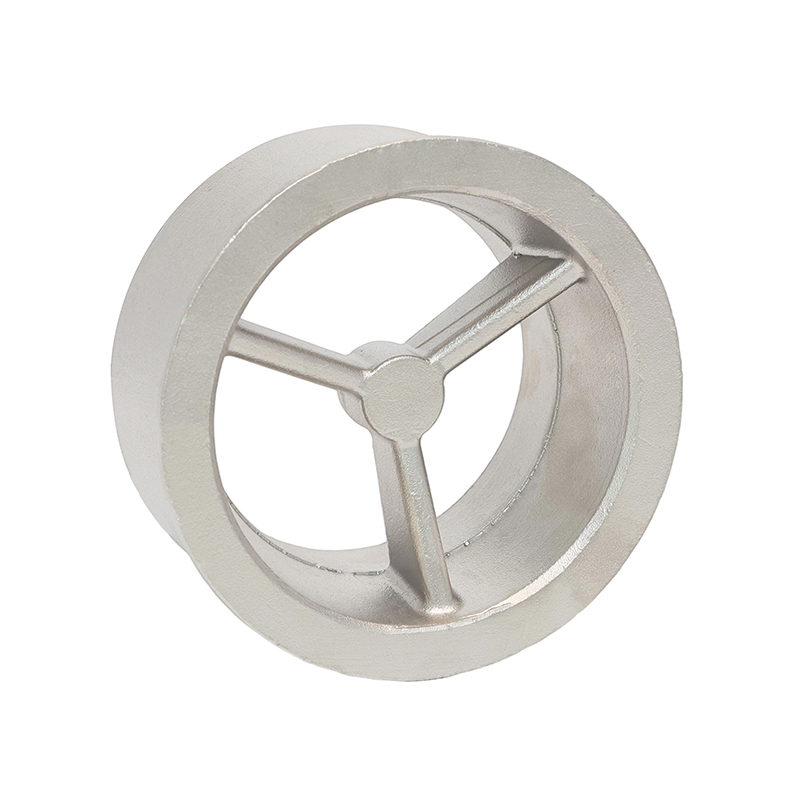
Details:
Stainless steel investment casting is a specialized process for producing high-p...View More -
Investment Steel Casting Parts for Machinery
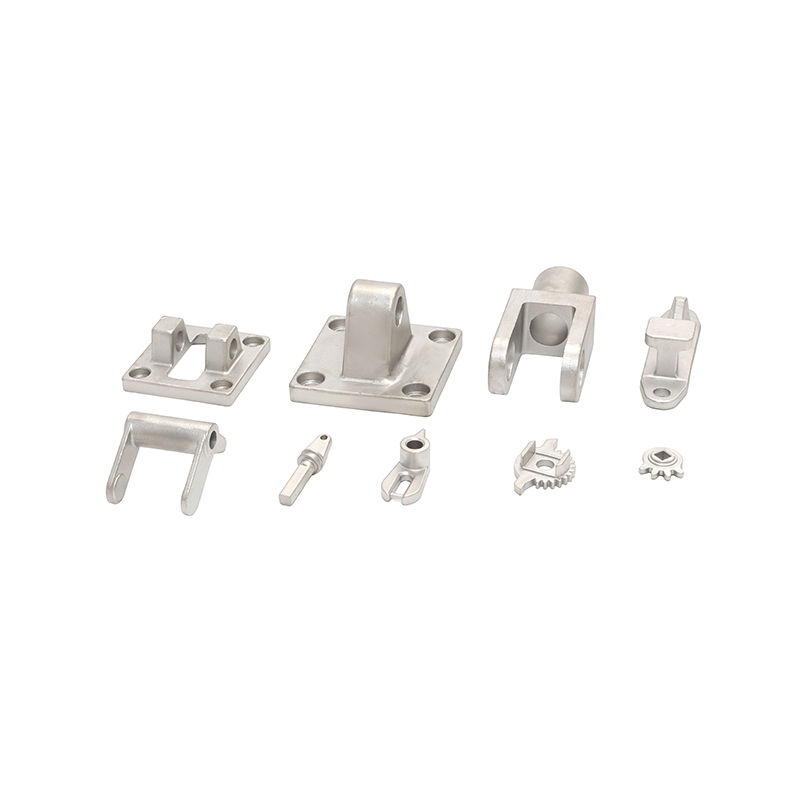
Details:
Investment steel casting is a cost-effective solution for producing high-strengt...View More
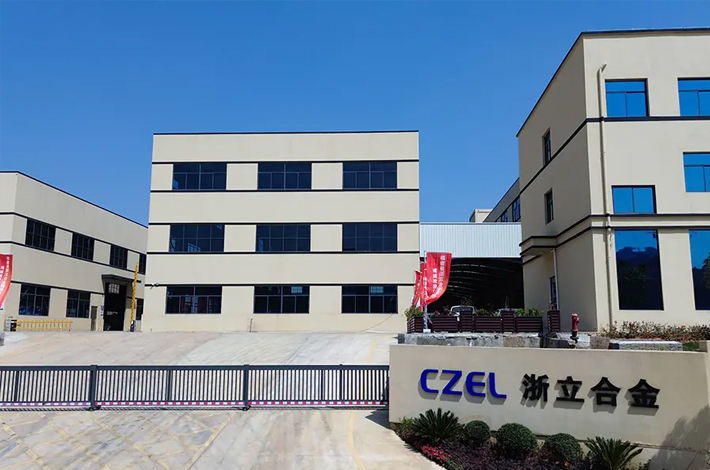
About Us
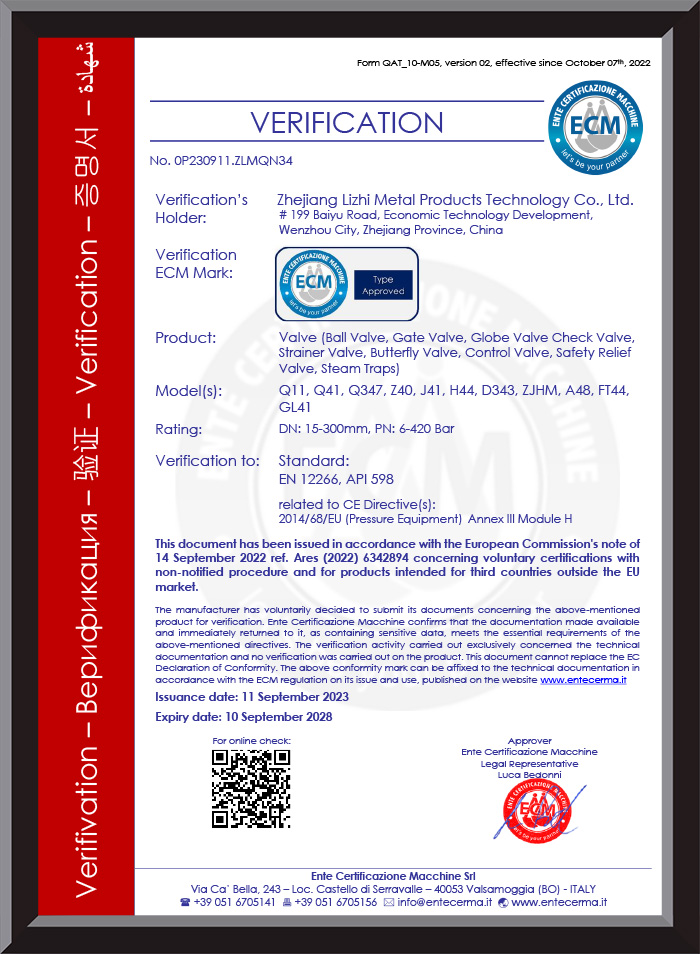
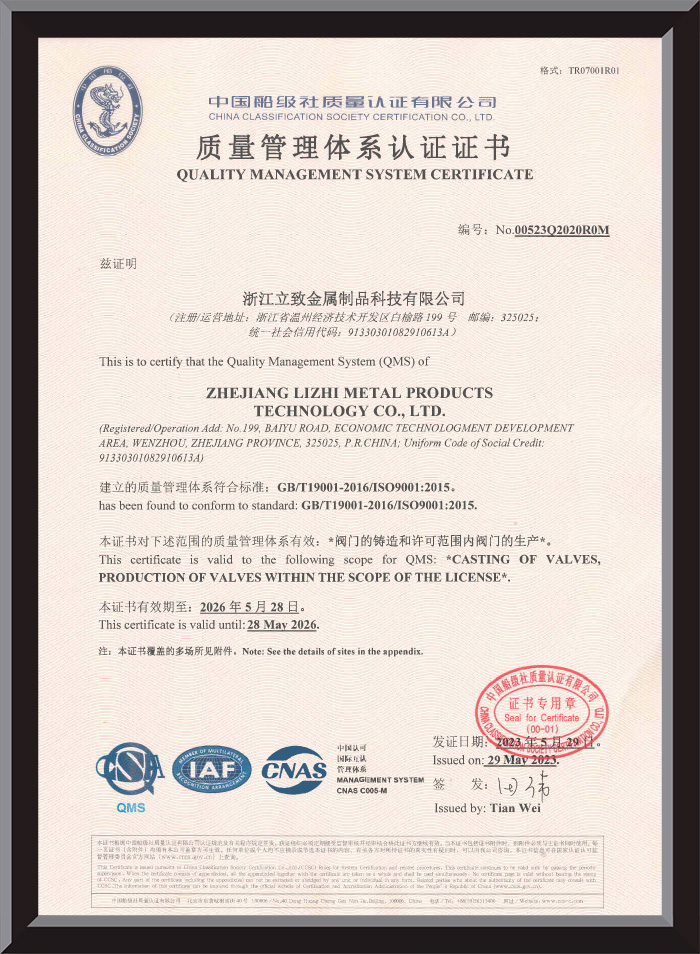
After more than 20 years of hard work, the company has strong technical strength and has established a production, learning and research integration with major domestic universities, forming its own product characteristics and technical advantages. The company mainly produces various precision castings and valve products such as valves, pumps, auto parts, marine parts, hardware and engineering machinery parts. The main materials are: austenitic stainless steel, carbon steel, duplex steel, nickel-based alloy, high silicon alloy, titanium alloy, etc. The annual output of various stainless steel castings is 8,000 tons (production capacity 12,000 tons/year). The company fully implements TUV: ISO9001-2015 and EU CE certification system management, and introduces 6S performance management lean production.
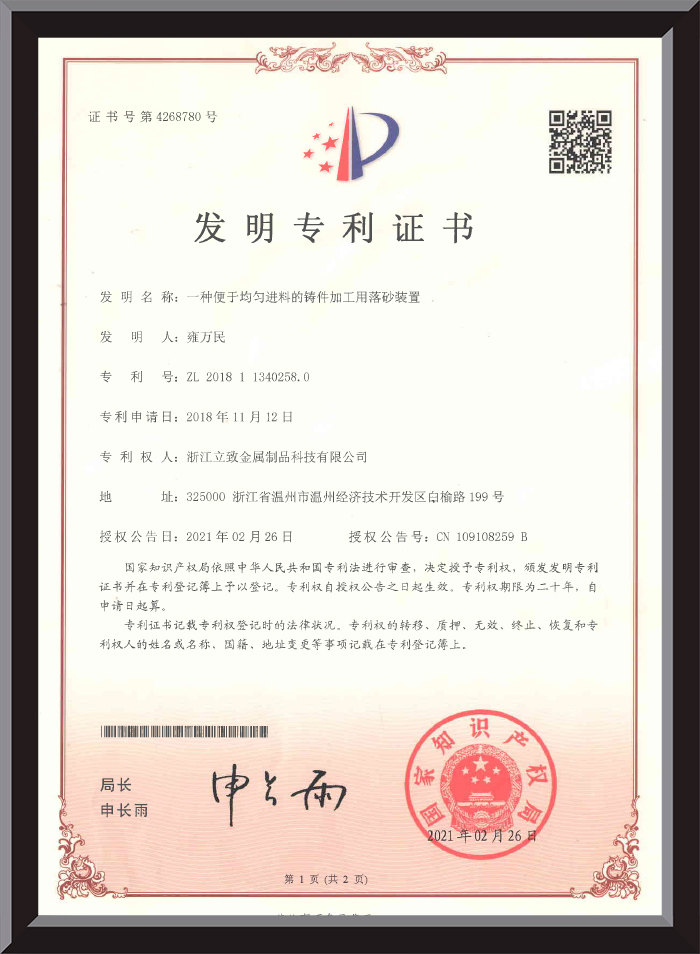
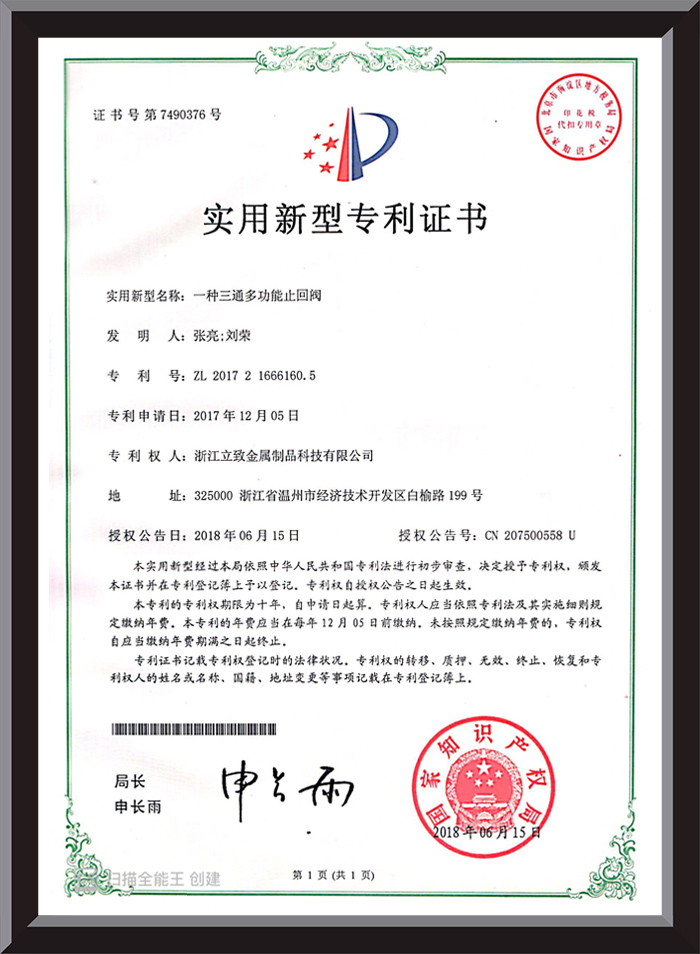
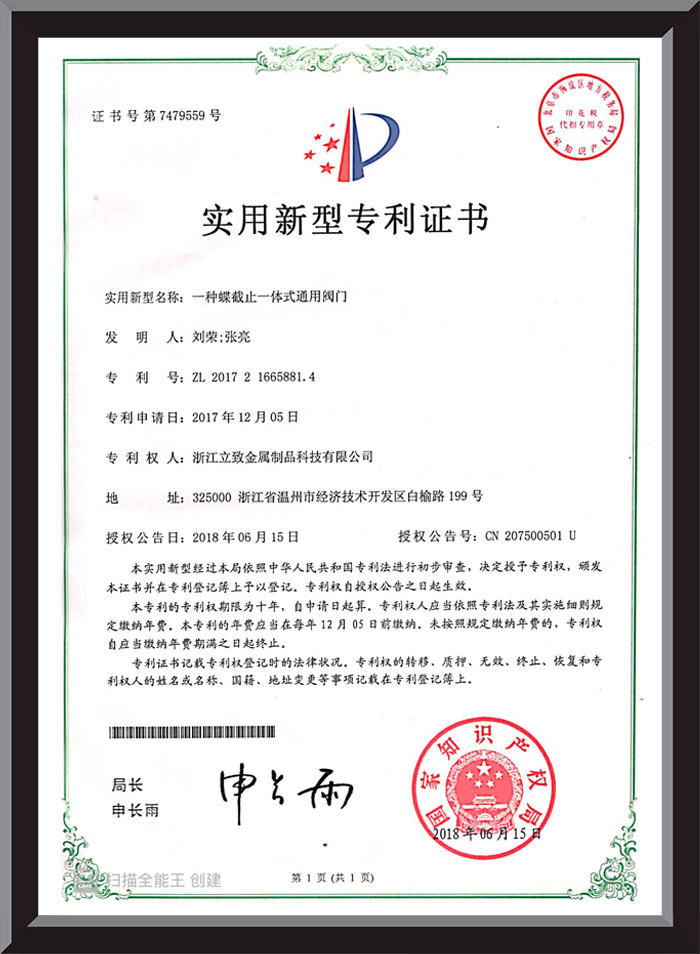
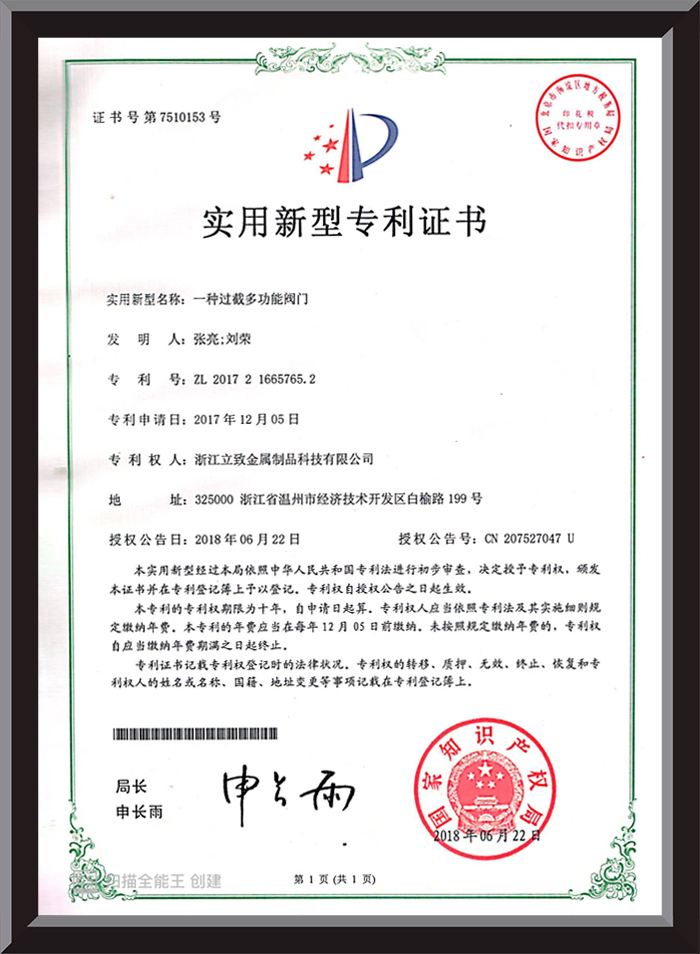
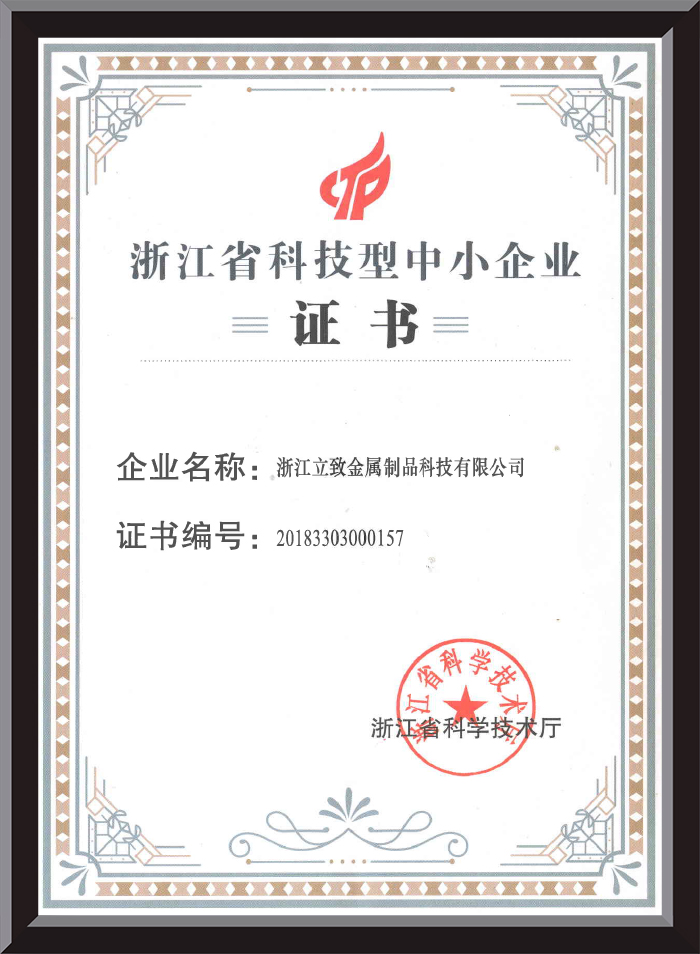
Certificate of Honor
Latest News
-
Industry News 2026-07-17
Large industrial pipeline projects require reliable flow control components that can operate under demanding condit...
Read More -
Industry News 2026-07-10
As industrial pipeline systems become more complex, engineers and purchasing teams are paying closer attention to v...
Read More -
Industry News 2026-07-03
As industrial automation continues to expand across sectors such as water treatment, chemical processing, food manu...
Read More -
Industry News 2026-06-26
Energy efficiency has become one of the most discussed topics across industrial sectors in 2025. Whether in water t...
Read More -
Industry News 2026-06-19
As industries continue investing in automation, energy efficiency, and smarter production lines, reliability has be...
Read More
Contact Us Now
Industry knowledge
Mechanical accessories castings are precision-engineered metal components used in machinery, equipment, and industrial systems to ensure reliable performance and structural stability. Manufactured through casting processes, these components are made from durable materials such as cast iron, steel, or bronze, offering strength, wear resistance, and dimensional accuracy. They include gears, brackets, housings, and other essential parts that support mechanical operations and assemblies. Casting allows complex shapes and intricate designs to be produced efficiently, meeting specific functional requirements.
Introduction to Stainless Steel Mechanical Parts
Stainless steel mechanical parts are widely used in industrial, automotive, and engineering applications due to their durability, corrosion resistance, and strength. These parts are manufactured through processes such as casting, forging, and machining, ensuring precise dimensions and reliable performance. Common stainless steel components include shafts, gears, brackets, fasteners, and housings, which are essential for the smooth operation of machinery and equipment.
The primary advantage of stainless steel is its resistance to corrosion and oxidation, making it suitable for environments exposed to moisture, chemicals, or varying temperatures. Additionally, stainless steel provides good mechanical strength, allowing components to handle stress and load without deformation. This makes it ideal for applications where both reliability and longevity are important.
Quality control is an integral part of producing stainless steel mechanical parts. Inspections include dimensional accuracy, surface finish, and mechanical testing to verify hardness, tensile strength, and durability. These checks ensure that the parts function correctly within complex assemblies and meet industry standards.
Applications for stainless steel mechanical parts are diverse. In industrial machinery, they provide stable performance for moving parts and structural supports. In the automotive and transportation sectors, they contribute to engine, transmission, and chassis reliability. Other sectors, such as chemical processing and food equipment manufacturing, rely on stainless steel parts for hygiene, strength, and corrosion resistance.
In summary, stainless steel mechanical parts combine precision, strength, and resistance to environmental factors, making them a dependable choice for a wide range of industrial and engineering applications. Their production process, material properties, and quality checks ensure consistent performance and long service life.
Overview of Mechanical Parts
Mechanical parts are fundamental components used in machines, equipment, and industrial systems to transmit motion, support loads, and ensure proper operation. These parts can be manufactured through casting, forging, machining, or assembly processes, depending on the required material and functional specifications. Common mechanical parts include gears, shafts, bearings, brackets, and fasteners, each serving a distinct purpose within machinery.
The choice of material plays a significant role in the performance of mechanical parts. Metals such as steel, cast iron, or aluminum are often selected for their strength, wear resistance, and dimensional stability. Non-metallic materials like engineering plastics or composites may also be used for specific applications where reduced weight or resistance to chemicals is important.
Production of mechanical parts involves careful design and precision manufacturing. Tolerances, surface finishes, and structural integrity are critical factors that ensure parts fit correctly and function efficiently within mechanical systems. Quality control processes, such as dimensional inspection and mechanical testing, help maintain consistency and reliability.
Mechanical parts are applied in a wide range of industries, including automotive, manufacturing, energy, and construction. They are essential in transmitting power, supporting loads, and maintaining smooth operation of complex systems. Well-designed and properly manufactured parts reduce maintenance requirements and improve overall operational efficiency.
In conclusion, mechanical parts form the backbone of machinery and equipment. Their material selection, manufacturing precision, and quality control are key to achieving reliable performance and extended service life across diverse industrial applications.

CONTACT INFO
 [email protected]
[email protected] +86-13857761200
 +86-0577-86566777
 No. 199, Baiyu Road, Binhai Park, Wenzhou, Zhejiang, China.
Copyright© Zhejiang Lizhi Metal Products Technology Co., Ltd. All Rights Reserved.

Stainless Steel Mechanical Parts Supplier