

Call us: +86-13857761200

Email us:[email protected]
 Get a quote

 EN
EN 
 English
 中文简体
中文简体 Español
 русский
Submit feedback
Custom Lost Wax Casting for Mechanical Accessories
 Home / Product / Precision Castings / Mechanical Accessories Castings / Lost Wax Casting for Mechanical Accessories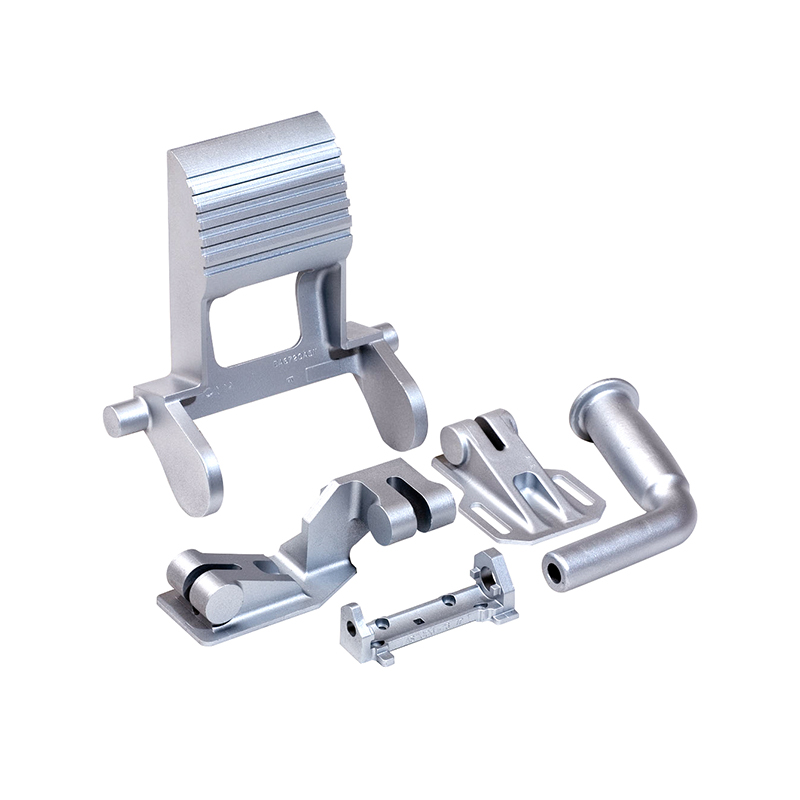
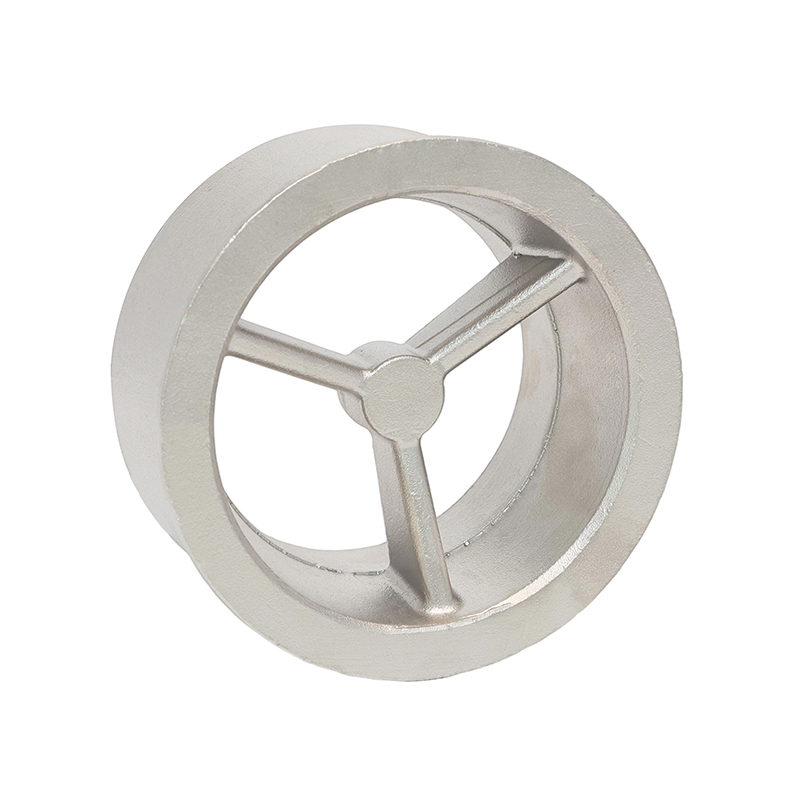
Lost Wax Casting for Mechanical Accessories
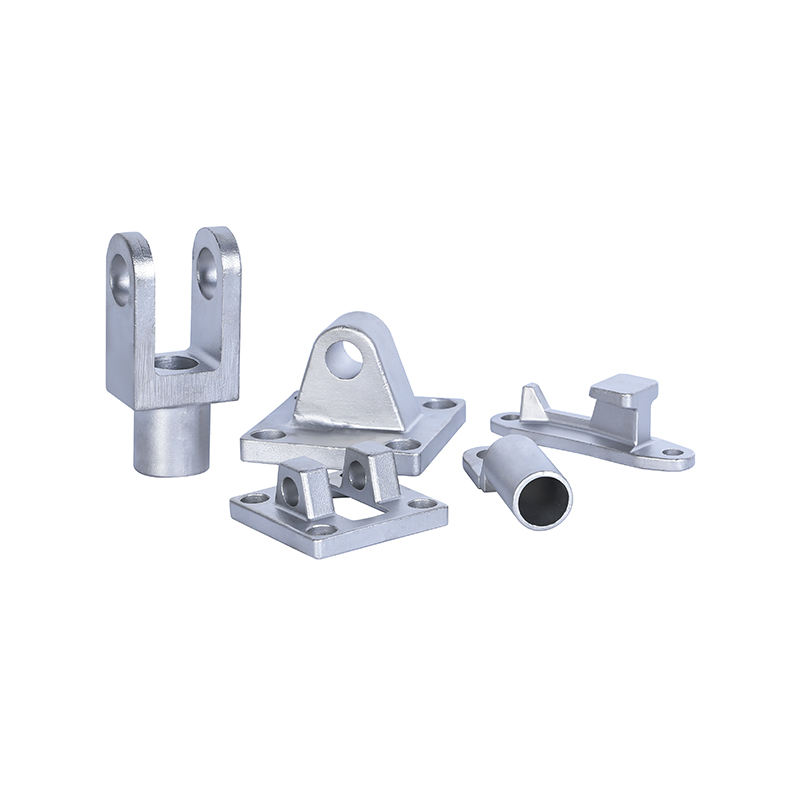
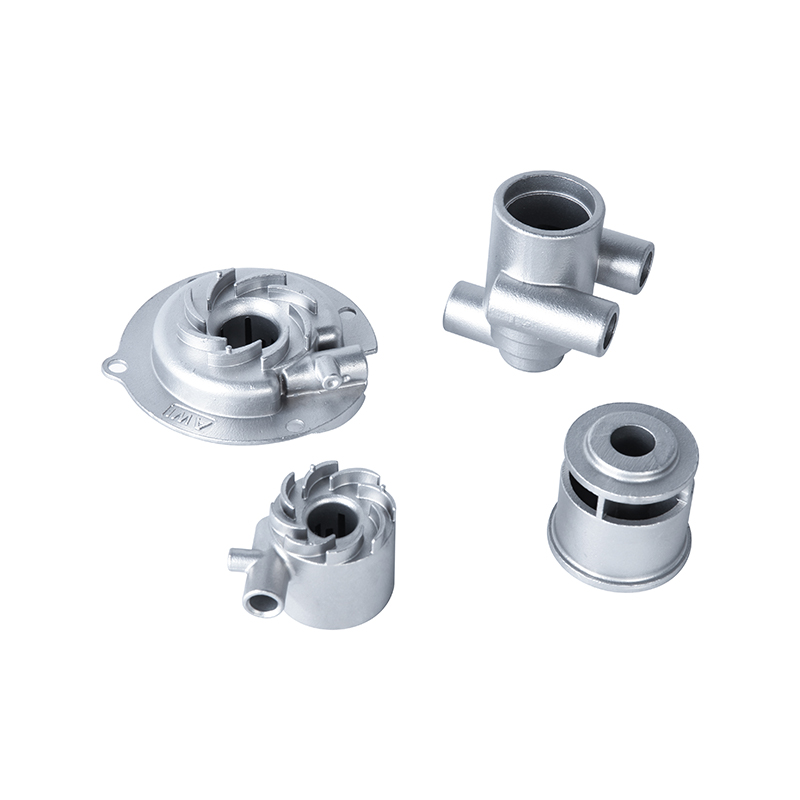
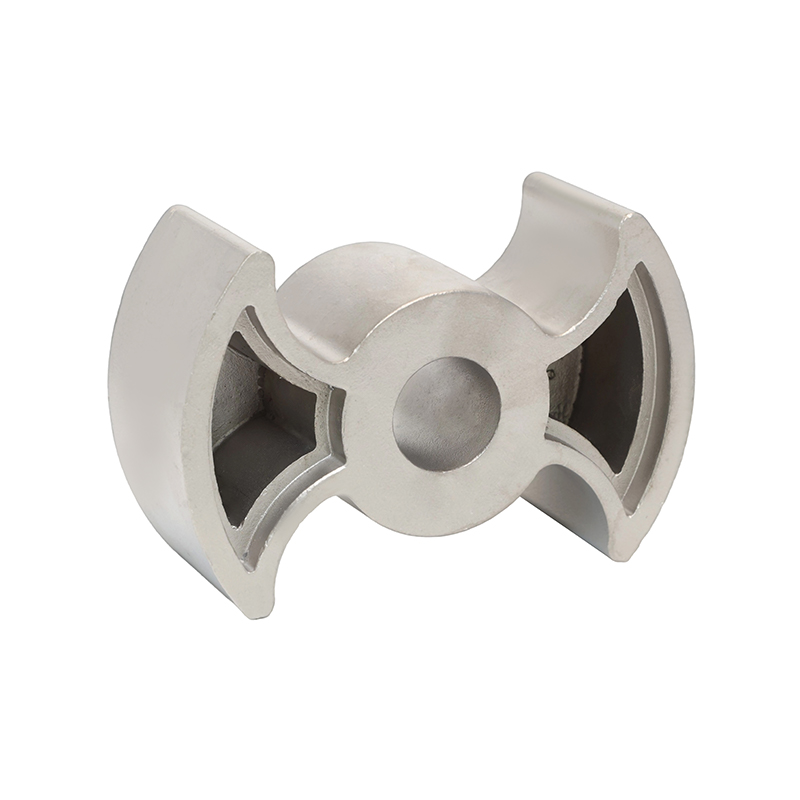
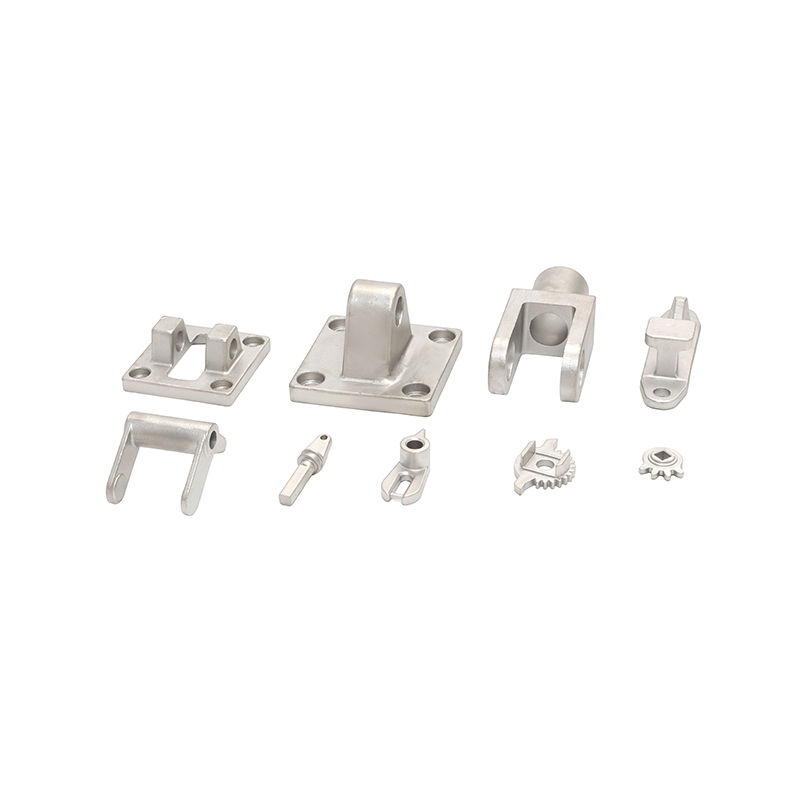
Lost wax casting is a precision manufacturing process used to produce high-quality mechanical accessories with complex geometries and tight tolerances. This method is particularly suitable for small to medium-sized components that require fine details, such as bushings, couplings, and sensor housings. The process begins with a wax pattern, which is coated with multiple layers of ceramic slurry to form a heat-resistant mold. Once the wax is melted out, molten metal is poured into the cavity, creating a precise replica of the original pattern.
The key advantage of lost wax casting is its ability to achieve near-net-shape parts with a nice surface finish, reducing the need for extensive machining. Common materials include carbon steel, alloy steel, and duplex stainless steel, selected based on mechanical strength and environmental resistance. Post-casting processes may include heat treatment, precision machining, and surface finishing (e.g., polishing, passivation) to meet specific performance requirements.
About Us
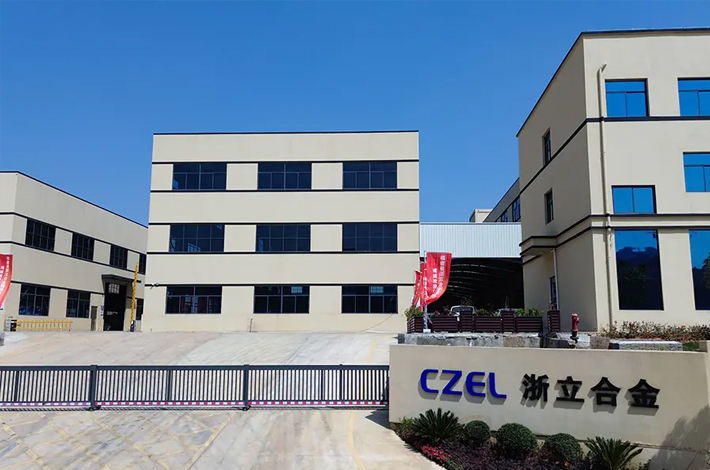
Zhejiang Lizhi Metal Products Technology Co., Ltd. was established in 2003 and established a branch in Fujian in 2021: Fujian Zheli Alloy Casting Co., Ltd.
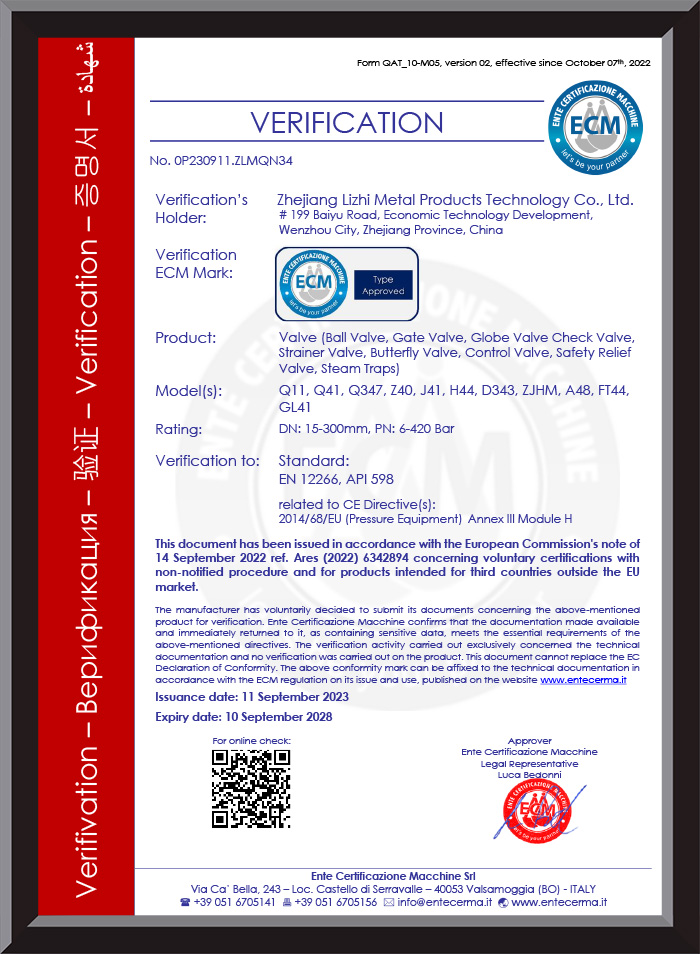
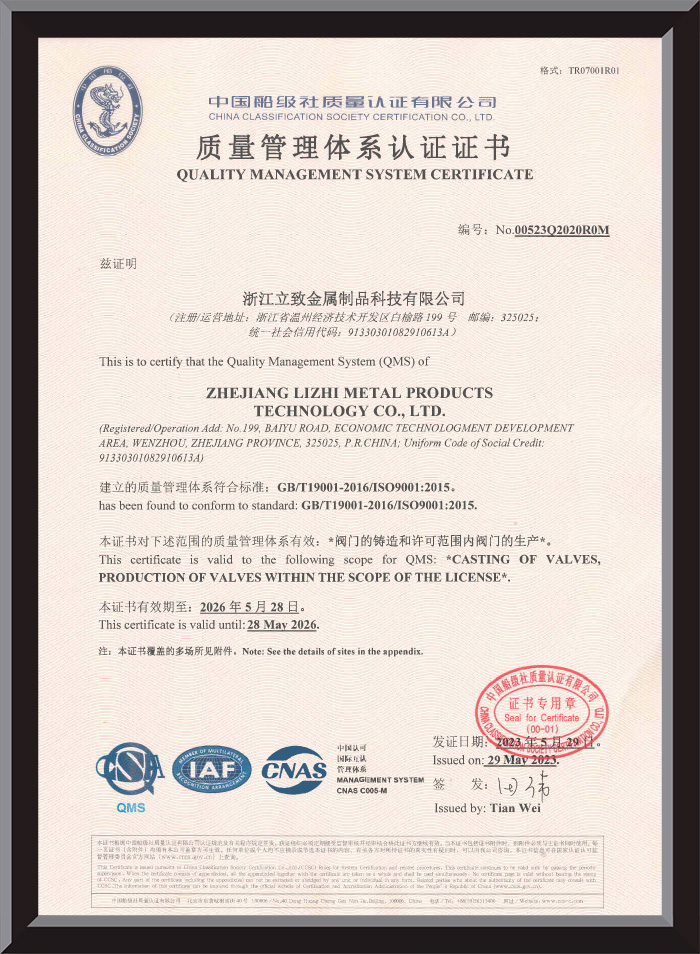
After more than 20 years of hard work, the company has strong technical strength and has established a production, learning and research integration with major domestic universities, forming its own product characteristics and technical advantages. The company mainly produces various precision castings and valve products such as valves, pumps, auto parts, marine parts, hardware and engineering machinery parts. The main materials are: austenitic stainless steel, carbon steel, duplex steel, nickel-based alloy, high silicon alloy, titanium alloy, etc. The annual output of various stainless steel castings is 8,000 tons (production capacity 12,000 tons/year). The company fully implements TUV: ISO9001-2015 and EU CE certification system management, and introduces 6S performance management lean production. The products are mainly sold to the chemical, shipbuilding, automotive, power, pharmaceutical, food and other industries, and the products are exported to Russia, Europe, North America, Japan and South Korea and other countries and regions.
After more than 20 years of hard work, the company has strong technical strength and has established a production, learning and research integration with major domestic universities, forming its own product characteristics and technical advantages. The company mainly produces various precision castings and valve products such as valves, pumps, auto parts, marine parts, hardware and engineering machinery parts. The main materials are: austenitic stainless steel, carbon steel, duplex steel, nickel-based alloy, high silicon alloy, titanium alloy, etc. The annual output of various stainless steel castings is 8,000 tons (production capacity 12,000 tons/year). The company fully implements TUV: ISO9001-2015 and EU CE certification system management, and introduces 6S performance management lean production. The products are mainly sold to the chemical, shipbuilding, automotive, power, pharmaceutical, food and other industries, and the products are exported to Russia, Europe, North America, Japan and South Korea and other countries and regions.
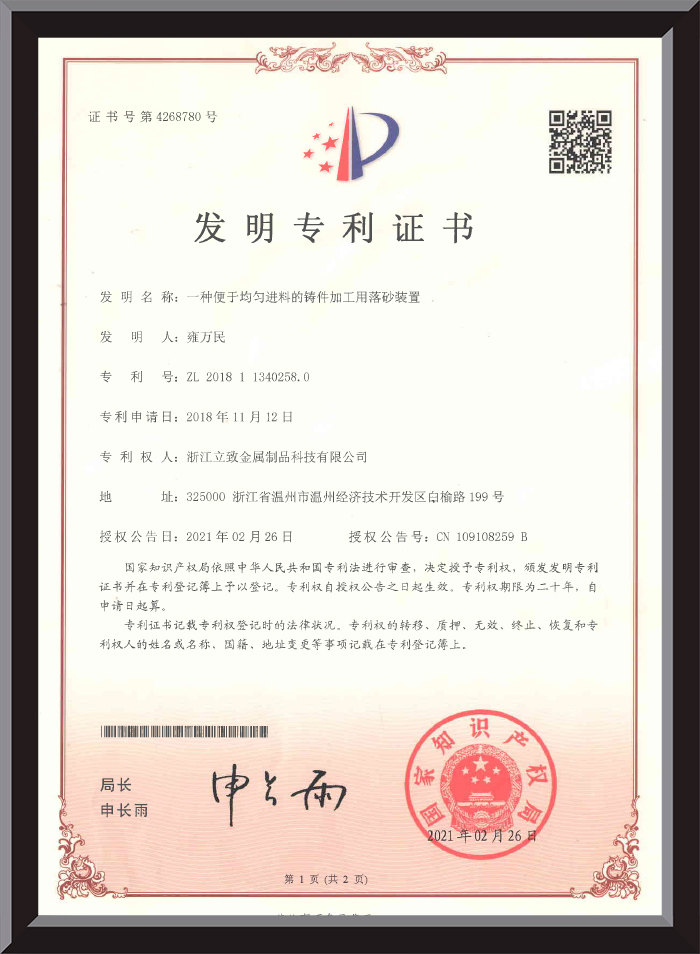
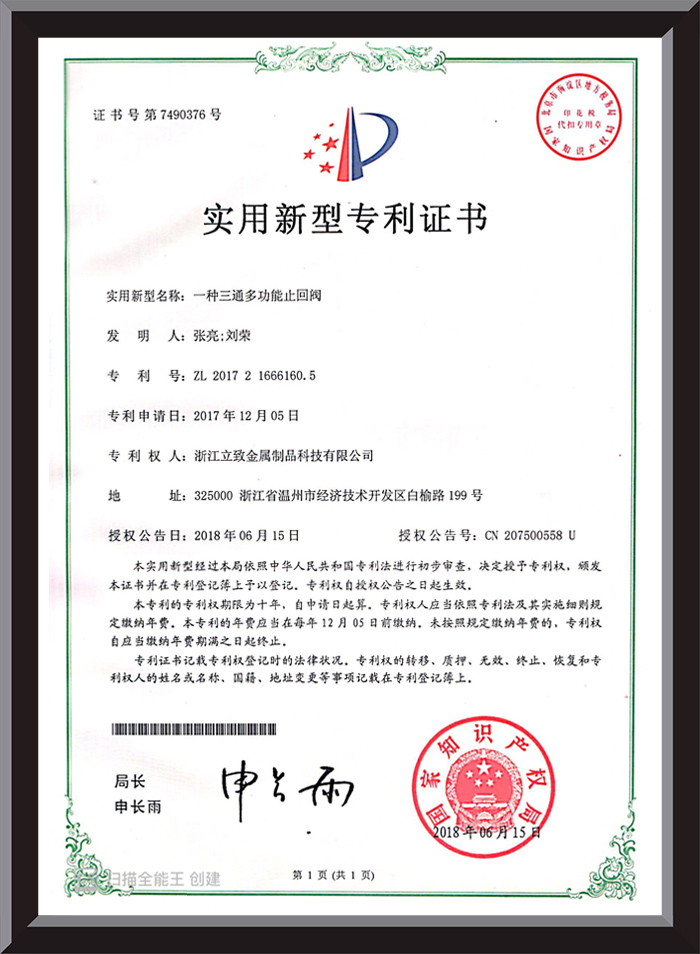
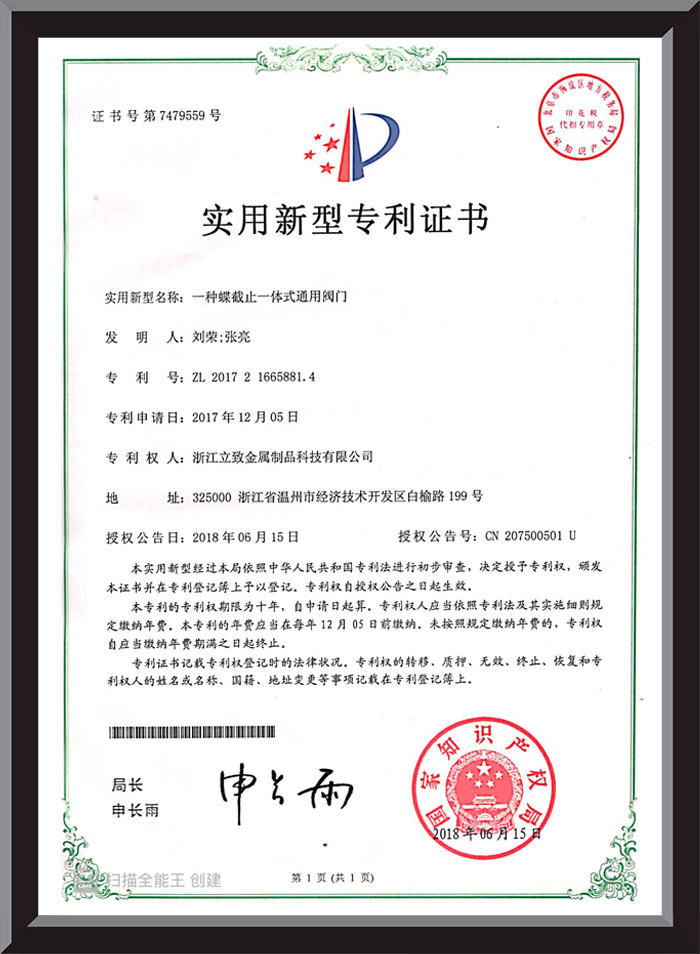
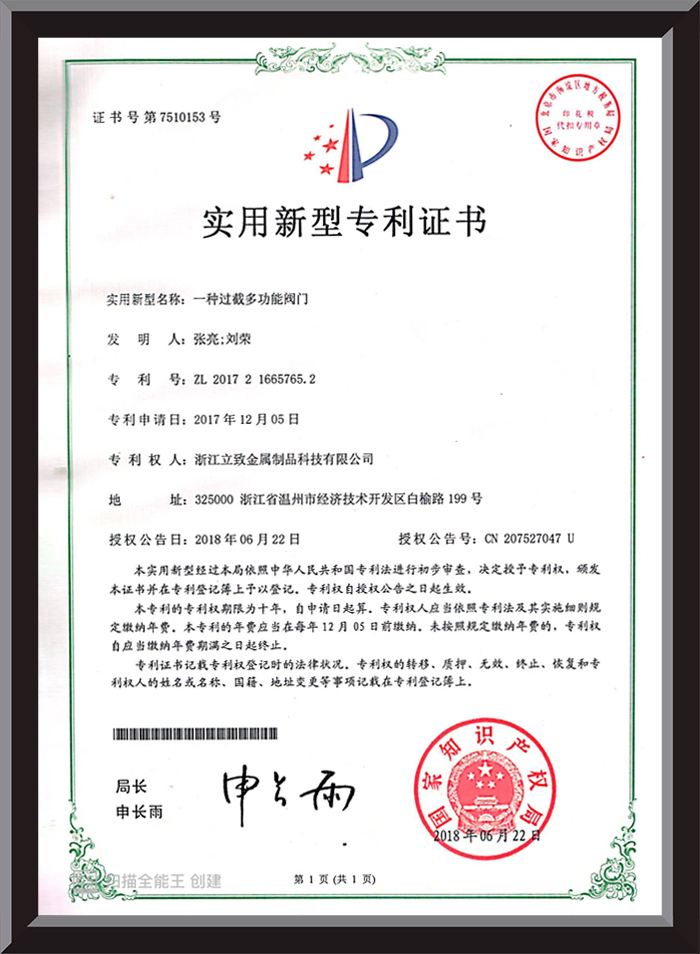
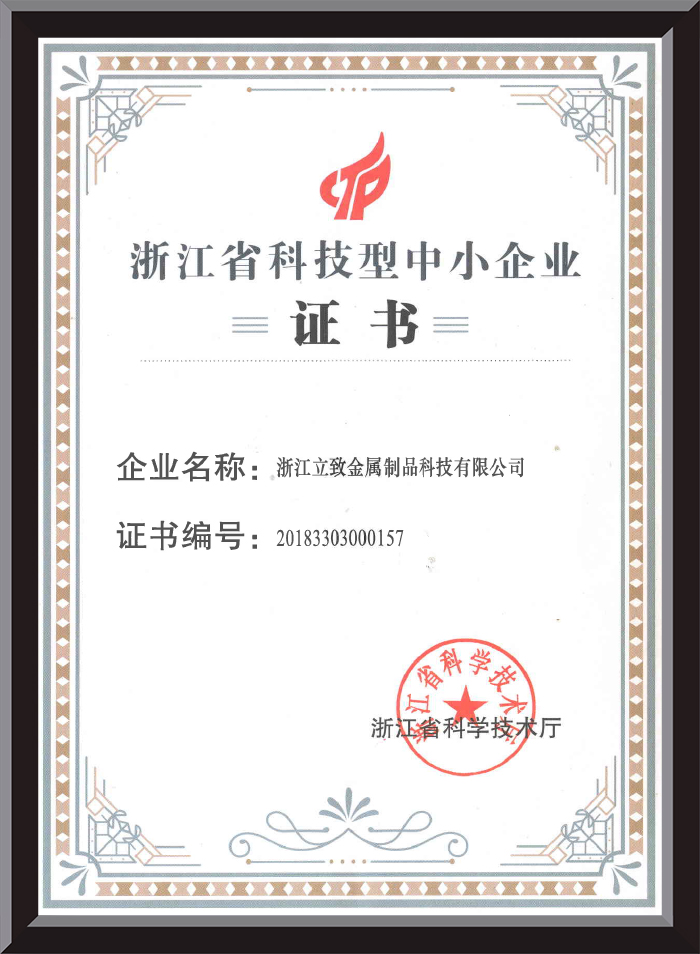
Certificate of Honor
Latest News
-
Industry News 2026-07-17
Large industrial pipeline projects require reliable flow control components that can operate under demanding c...
Read More -
Industry News 2026-07-10
As industrial pipeline systems become more complex, engineers and purchasing teams are paying closer attention...
Read More -
Industry News 2026-07-03
As industrial automation continues to expand across sectors such as water treatment, chemical processing, food...
Read More -
Industry News 2026-06-26
Energy efficiency has become one of the most discussed topics across industrial sectors in 2025. Whether in wa...
Read More -
Industry News 2026-06-19
As industries continue investing in automation, energy efficiency, and smarter production lines, reliability h...
Read More
KEEP IN TOUCH

CONTACT INFO
 [email protected]
[email protected] +86-13857761200
 +86-0577-86566777
 No. 199, Baiyu Road, Binhai Park, Wenzhou, Zhejiang, China.
Copyright© Zhejiang Lizhi Metal Products Technology Co., Ltd. All Rights Reserved.

China Stainless Steel Valves