

Call us: +86-13857761200

Email us:[email protected]
 Get a quote

 EN
EN 
 English
 中文简体
中文简体 Español
 русский
Submit feedback
Industry News
 Home / News / Industry News / How Can Flanged Ball Valve Selection Improve Reliability in Large Industrial Pipeline Projects?
 How Can Flanged Ball Valve Selection Improve Reliability in Large Industrial Pipeline Projects?
 2026.07.17
 Industry News
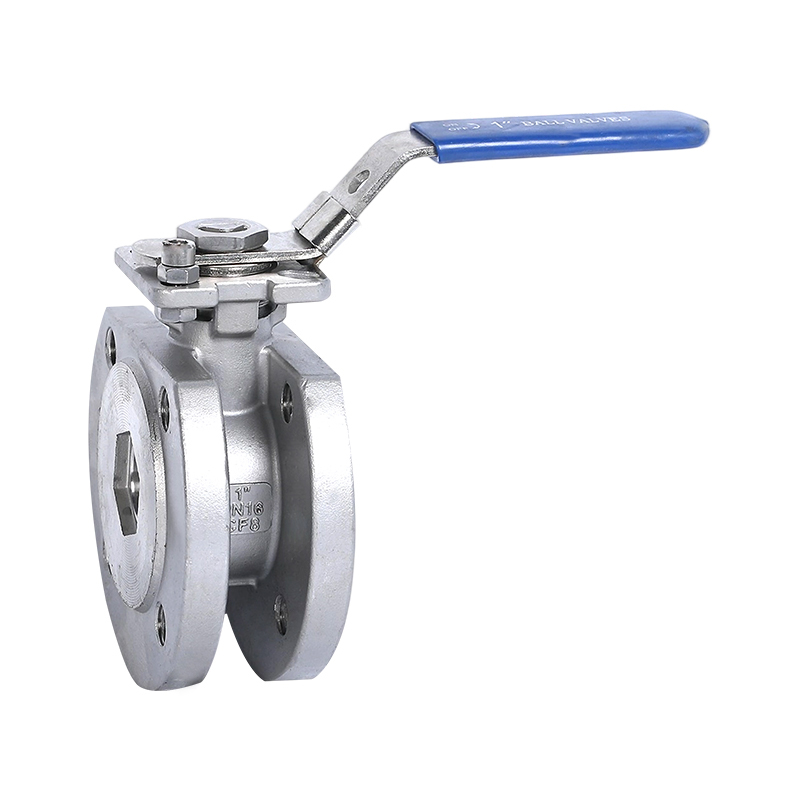
Large industrial pipeline projects require reliable flow control components that can operate under demanding conditions for long periods. From chemical processing plants to water treatment facilities and energy infrastructure, every component in the pipeline system can influence overall performance. Selecting the right valve design is therefore an important decision for engineers and project buyers. A properly selected High Platform Ball Valve or Flanged Ball Valve can provide practical advantages in installation, maintenance, and system reliability, helping industries build more efficient fluid control networks.
Why Valve Selection Has Become More Important for Industrial Projects
Modern industrial systems often involve complex pipeline layouts, different operating pressures, and various types of fluids. As a result, buyers are no longer choosing valves only based on basic specifications such as size or connection type.
Engineering teams now focus on:
Long-term operating stability
Compatibility with pipeline materials
Maintenance requirements
Installation efficiency
Integration with automated control systems
An unsuitable valve choice may lead to additional maintenance work, longer downtime, or unexpected adjustments during project operation.
For this reason, many companies prefer working with an experienced industrial ball valve manufacturer that can provide technical support during the selection process.
Understanding the Advantages of Flanged Connection Design
Connection design plays an important role in industrial valve applications. The flange connection structure is widely considered for pipeline systems that require secure installation and convenient maintenance.
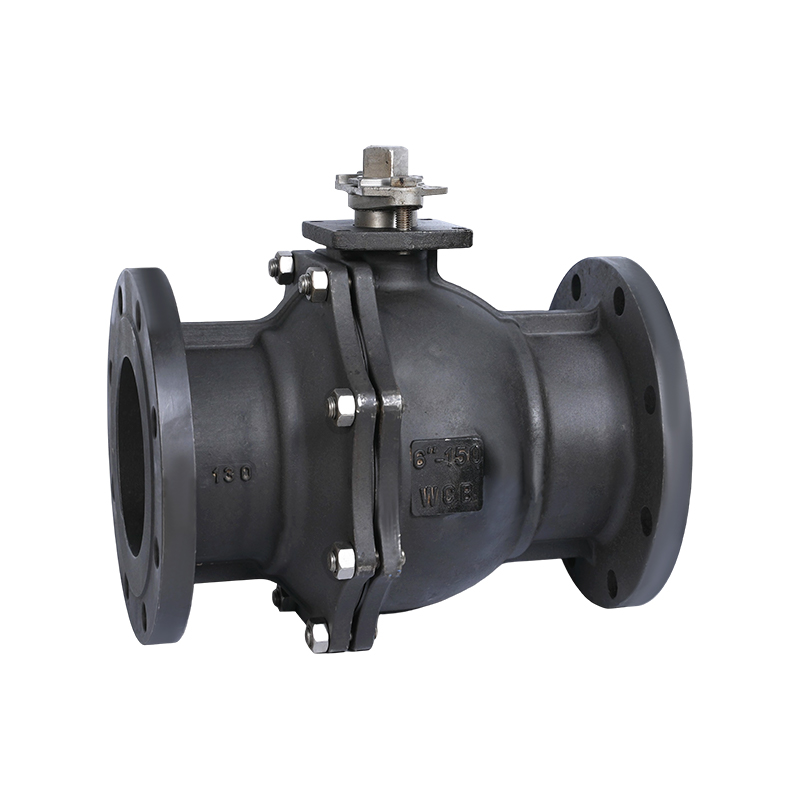
A Flanged Ball Valve offers several practical features:
Strong connection stability
Easier installation alignment
Convenient removal during maintenance
Suitable integration with larger pipeline systems
In industries where equipment inspection and maintenance are part of regular operation, this connection method can help technicians manage valve servicing more efficiently.
The correct flange design also allows engineers to consider pipeline pressure requirements and installation conditions more effectively during the planning stage.
Supporting Stable Performance in Different Industrial Environments
Different industries have different requirements for valve applications. A valve used in a water treatment facility may face different conditions compared with one installed in a chemical or energy project.
Before selecting a valve, engineers usually evaluate:
Medium characteristics
The valve material should match the transported fluid to support reliable operation.
Temperature and pressure conditions
The valve structure should be suitable for the actual working environment.
Operation frequency
Frequently operated systems may require different considerations compared with rarely adjusted pipelines.
By analyzing these factors, companies can select a more suitable valve configuration for their specific applications.
How High Platform Structures Benefit Engineering Projects
As industrial automation continues to develop, many facilities are adding actuators and control systems to improve operational efficiency. Valve designs that support easier automation installation can provide additional value.
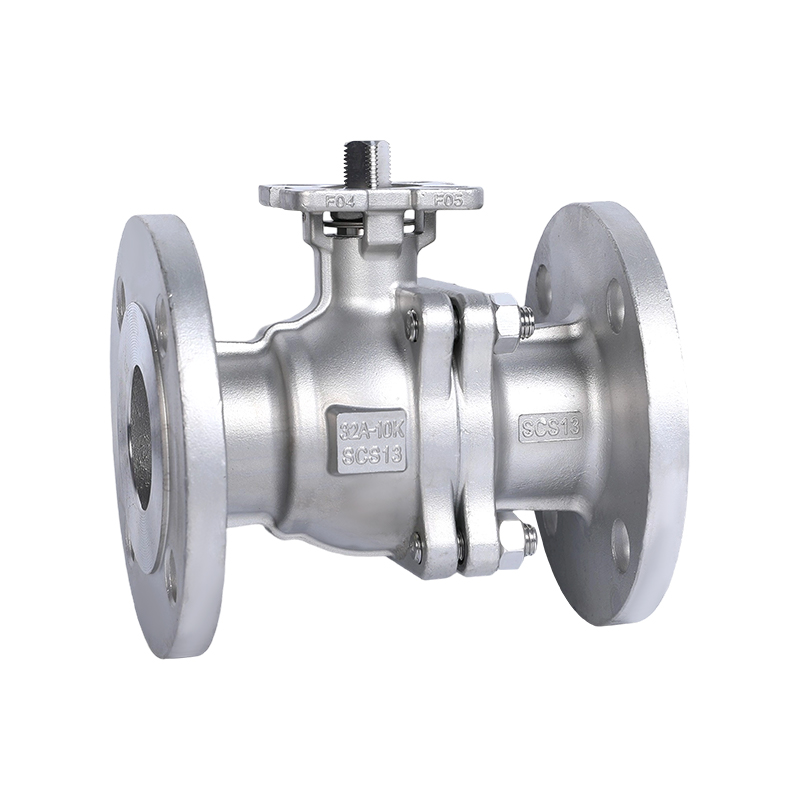
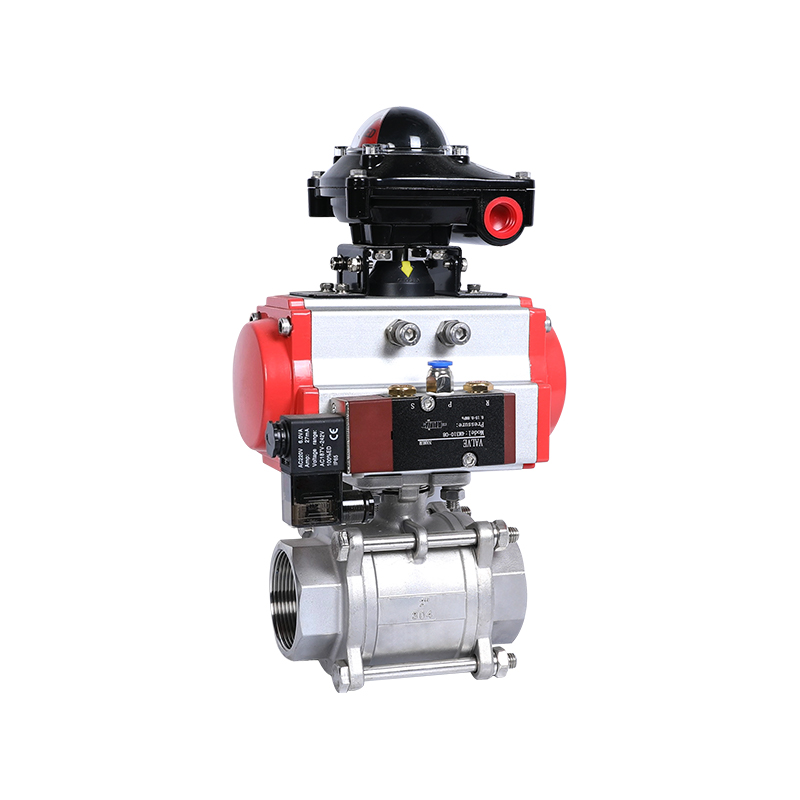
A High Platform Ball Valve is designed with a raised mounting structure that helps connect actuators more conveniently. This design can support applications where valves need to work together with pneumatic or electric control systems.
For engineering teams, this can simplify equipment integration and provide more flexibility when upgrading existing pipeline systems.
The Importance of Manufacturing Capability for Project Success
For large-scale industrial projects, the supplier’s manufacturing ability directly affects product consistency and delivery quality.
When evaluating suppliers, buyers should consider:
Engineering communication capability
Production process management
Material traceability
Inspection procedures
Customization experience
A professional manufacturer should be able to understand project drawings and technical requirements, then transform them into practical valve solutions.
This cooperation model helps international buyers reduce communication difficulties and improve project execution efficiency.
Customized Solutions for Complex Pipeline Requirements
Industrial applications often involve special requirements that standard products cannot fully address. Custom valve solutions allow manufacturers to adjust product designs according to customer needs.
Customization may include:
Different material selections
Special connection requirements
Actuator matching
Specific structural modifications
Project-based design adjustments
For overseas buyers, working with manufacturers that provide customization support can improve compatibility between valves and existing pipeline systems.
Creating More Reliable Industrial Flow Control Systems
The reliability of a pipeline system depends on selecting components that match actual operating conditions. A suitable valve design can improve installation efficiency, support easier maintenance, and contribute to stable operation throughout the equipment lifecycle. By choosing an experienced supplier for High Platform Ball Valve and Flanged Ball Valve products, industrial customers can receive solutions developed for different applications, including customized designs, technical assistance, and dependable manufacturing support. The right valve partner helps businesses create more reliable and efficient fluid control systems for long-term industrial operations.

CONTACT INFO
 [email protected]
[email protected] +86-13857761200
 +86-0577-86566777
 No. 199, Baiyu Road, Binhai Park, Wenzhou, Zhejiang, China.
Copyright© Zhejiang Lizhi Metal Products Technology Co., Ltd. All Rights Reserved.

China Stainless Steel Valves