

Call us: +86-13857761200

Email us:[email protected]
 Get a quote

 EN
EN 
 English
 中文简体
中文简体 Español
 русский
Submit feedback
Industry News
 Home / News / Industry News / Are Modern Industrial Flow Systems Meeting Today’s Demands for Safety and Efficiency?
 Are Modern Industrial Flow Systems Meeting Today’s Demands for Safety and Efficiency?
 2026.06.05
 Industry News
As global industries continue to expand in petrochemical processing, water treatment, power generation, and manufacturing automation, valve performance has become a critical focus for engineers and procurement teams. Across industry forums and technical search trends, professionals are increasingly concerned with operational safety, leakage prevention, and long-term maintenance efficiency in high-pressure pipeline systems.
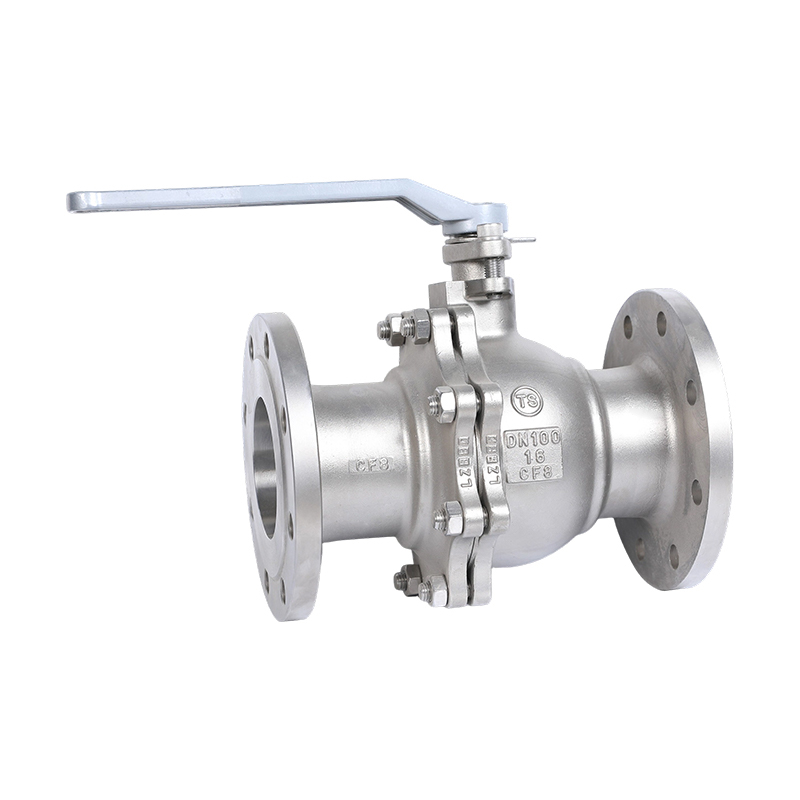
Common search queries such as “industrial ball valve leakage prevention,” “high pressure pipeline flow control valve,” “flanged connection valve reliability,” and “platform mounted valve for industrial systems” highlight a clear shift in buyer priorities. In this evolving environment, components like the High Platform Ball Valve are receiving increased attention due to their stability, safety design, and ease of operation in complex industrial installations.
Increasing System Pressure Requires Stronger Valve Design
Modern industrial systems are operating under higher pressure conditions than ever before. From chemical plants to energy distribution networks, flow control components must withstand demanding operational environments.
Engineers are focusing on:
- Improved sealing performance under high pressure
- Resistance to temperature fluctuations
- Long-term mechanical stability
- Reduced risk of internal leakage
These requirements are driving demand for more structurally reinforced valve designs that can maintain performance consistency over time.
Why Installation Structure Matters in Industrial Valve Applications
Installation safety and accessibility have become major concerns in large-scale pipeline systems. Valves must not only perform reliably but also allow safe and efficient maintenance access.
Key considerations include:
- Elevated installation for safer operation
- Easy access for inspection and repair
- Reduced operator exposure to hazardous media
- Stable support under vibration conditions
These structural advantages help improve both operational safety and maintenance efficiency in industrial environments.
Flanged Connections Remain a Preferred Industrial Standard
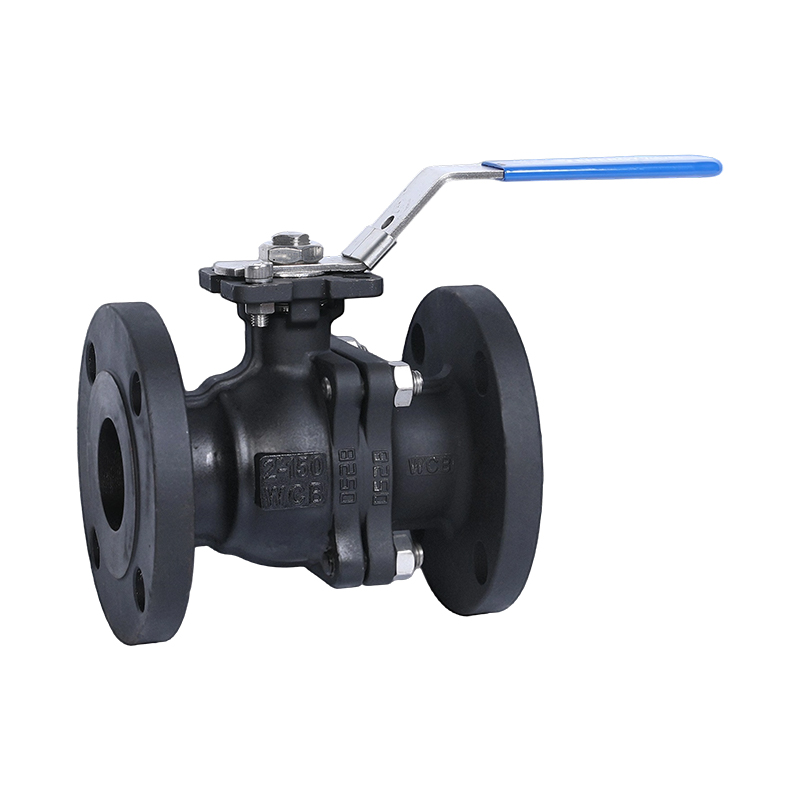
Despite advancements in valve technology, flanged connections continue to be widely used due to their reliability and adaptability. Engineers often prefer flanged systems for high-pressure and large-diameter pipelines.
Benefits commonly recognized by procurement teams include:
- Strong sealing performance
- Easy assembly and disassembly
- Compatibility with various pipeline standards
- Reduced installation complexity
This makes flanged designs a practical choice for many industrial applications requiring long-term stability.
Corrosion Resistance and Material Selection Are Critical
Industrial valves are often exposed to aggressive media, humidity, and temperature variations. As a result, material selection plays a decisive role in system lifespan.
Typical engineering priorities include:
- Corrosion-resistant alloys
- Stable performance under chemical exposure
- High mechanical strength materials
- Long-term durability under continuous operation
Careful material selection helps reduce maintenance frequency and extend system service life.
Manufacturing Precision Directly Impacts Valve Performance
As a professional manufacturer, we understand that valve reliability depends heavily on production accuracy and quality control throughout the manufacturing process.
Our focus includes:
- Precision machining of sealing surfaces
- Strict dimensional tolerance control
- Comprehensive pressure testing procedures
- Reliable assembly consistency
- Customizable configuration support
These factors ensure that each valve performs reliably in demanding industrial applications.
Industrial Automation Is Changing Flow Control Requirements
With the rise of automated industrial systems, valve components are increasingly expected to integrate with control systems and support remote monitoring.
Modern system expectations include:
- Compatibility with actuator systems
- Stable response under automated control
- Reduced manual intervention requirements
- Improved process efficiency
This trend is reshaping how engineers evaluate valve selection for new industrial projects.
Reliable Flow Control Is the Foundation of Industrial Safety
As industries continue to modernize, reliable flow control systems remain essential for safe and efficient operations. Proper valve selection helps prevent system failures, reduce downtime, and improve overall operational stability.
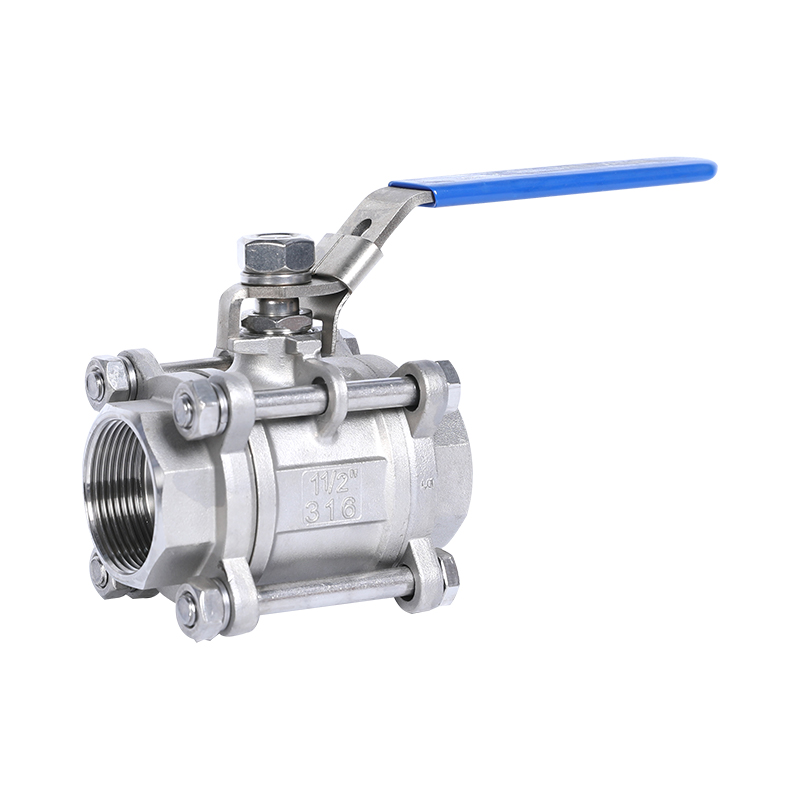
For this reason, many engineering teams and procurement specialists prefer working with a trusted supplier of High Platform Ball Valve solutions to ensure safe and stable system design. At the same time, Flanged Ball Valve products continue to play a key role in industrial pipeline systems, offering dependable performance, simplified installation, and long-term operational reliability across a wide range of industrial applications.

CONTACT INFO
 [email protected]
[email protected] +86-13857761200
 +86-0577-86566777
 No. 199, Baiyu Road, Binhai Park, Wenzhou, Zhejiang, China.
Copyright© Zhejiang Lizhi Metal Products Technology Co., Ltd. All Rights Reserved.

China Stainless Steel Valves