

Call us: +86-13857761200

Email us:[email protected]
 Get a quote

 EN
EN 
 English
 中文简体
中文简体 Español
 русский
Submit feedback
Industry News
 Home / News / Industry News / Where Are Industrial Valve Buyers Losing Efficiency in Modern Production Systems?
 Where Are Industrial Valve Buyers Losing Efficiency in Modern Production Systems?
 2026.05.29
 Industry News
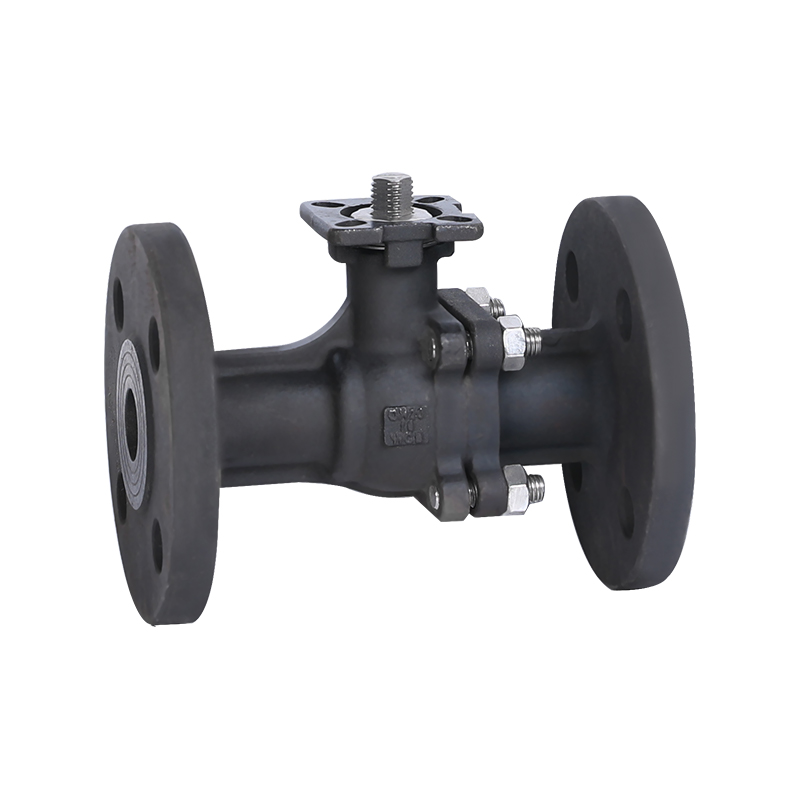
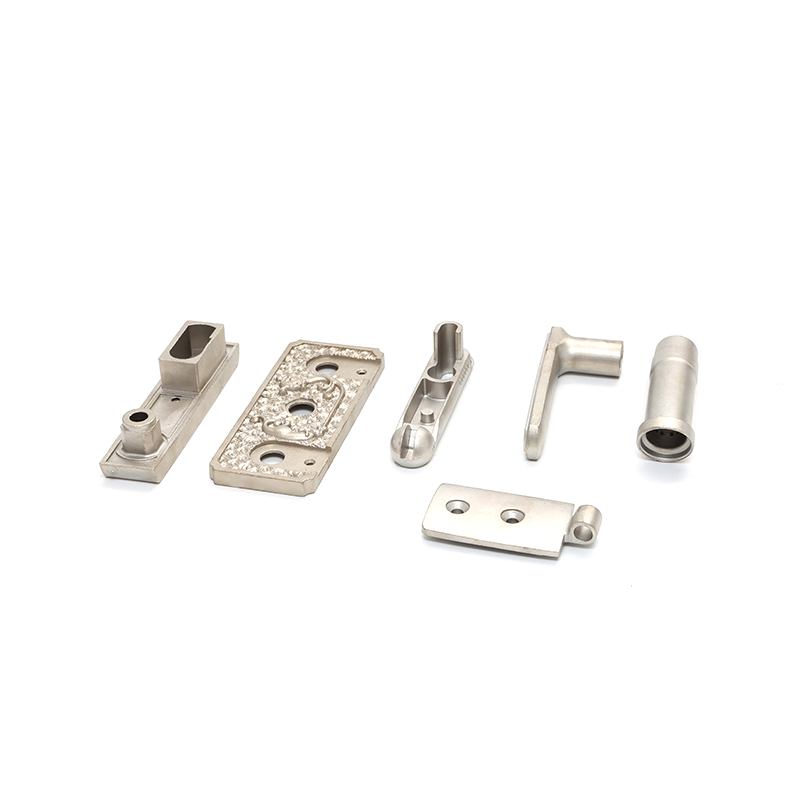
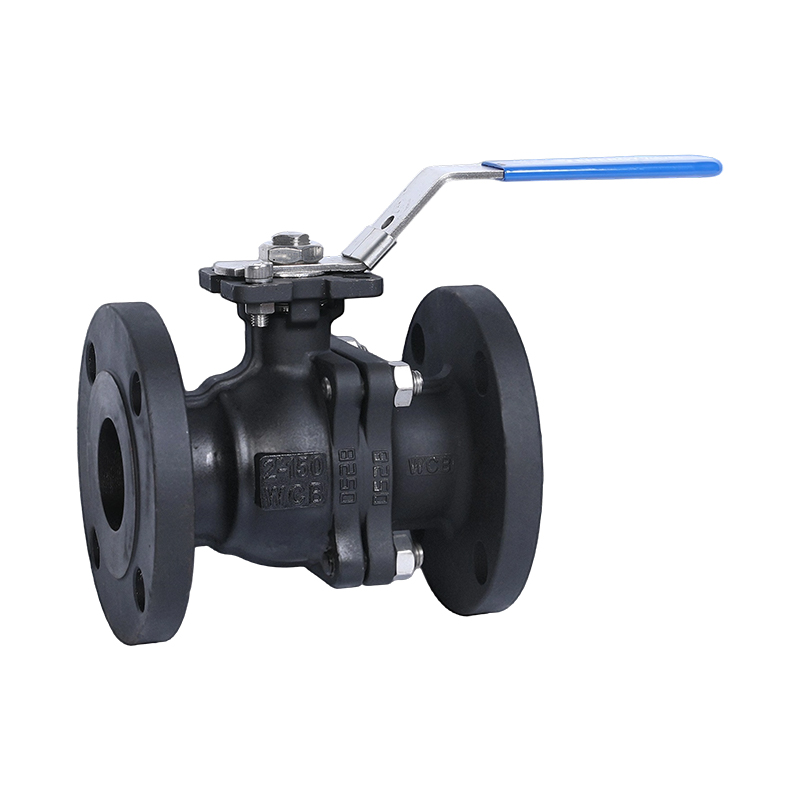
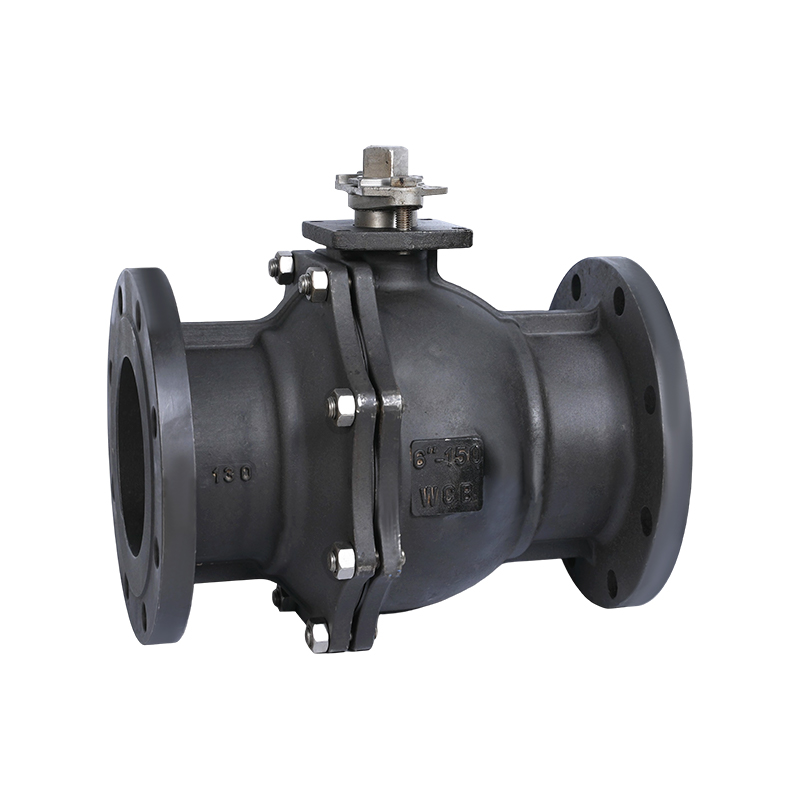
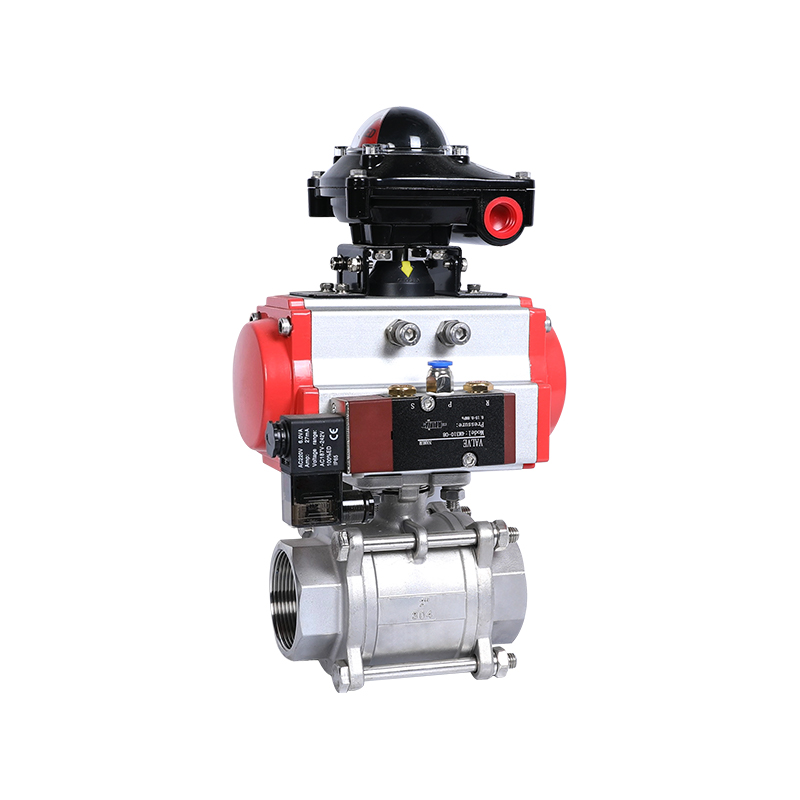
The growing market demand for advanced High Platform Ball Valve solutions and reliable manufacturing support from a professional Precision Casting Factory highlights a key issue facing industrial manufacturers today: many fluid control systems are still operating with outdated components that reduce overall production efficiency. As factories accelerate automation upgrades and pursue more stable production environments, industrial buyers are under increasing pressure to improve equipment reliability while lowering operational costs.
Recent global industry discussions around smart manufacturing, energy optimization, and predictive maintenance have further pushed companies to reevaluate the performance of their valve systems. In sectors such as chemical processing, water treatment, energy equipment, and industrial automation, inefficient valve performance can create hidden production losses that accumulate over time.
Small Valve Problems Often Create Large Operational Losses
In many industrial systems, valve components are often overlooked during equipment upgrades. However, aging or low-precision valve products can gradually create serious operational inefficiencies.
Common hidden problems include:
Unstable sealing performance causing leakage
Delayed switching response in automated systems
Frequent actuator adjustment requirements
Internal corrosion affecting fluid flow stability
Irregular component dimensions complicating installation
Although these issues may initially appear minor, they can significantly affect production continuity and maintenance planning over long operating cycles.
Modern Automated Factories Require Faster System Response
As automated production systems become more intelligent, fluid control equipment must respond more accurately and consistently. Traditional valve products designed for manual operation environments are increasingly struggling to support these requirements.
Modern industrial buyers now prioritize:
Stable actuator integration
Faster operational response time
Reliable switching performance
Consistent torque control
Better compatibility with intelligent monitoring systems
Factories focused on automation efficiency are paying much closer attention to the precision and reliability of every fluid control component within their systems.
Precision Casting Technology Is Reducing Manufacturing Deviations
One major challenge in industrial valve production is maintaining structural consistency across large production batches. Traditional casting methods may create internal defects or dimensional variations that affect long-term performance.
Advanced precision casting technology helps solve these issues by improving:
Dimensional consistency
Internal material density
Surface finish quality
Machining efficiency
Structural stability under pressure conditions
These improvements support smoother assembly processes and help industrial systems operate more reliably over extended periods.
Energy Efficiency Is Becoming a Stronger Purchasing Priority
Global energy-saving initiatives and sustainability discussions are influencing industrial procurement decisions more than ever before. Buyers increasingly recognize that inefficient fluid control systems can contribute to unnecessary energy consumption.
Modern industrial valve systems now focus more on:
Reduced operational resistance
Improved sealing efficiency
Stable fluid control accuracy
Lower maintenance-related downtime
Longer operational service life
These advantages help manufacturers improve overall production efficiency while supporting long-term equipment reliability.
Procurement Teams Are Becoming More Technically Focused
Overseas buyers are no longer evaluating industrial valve suppliers based only on pricing. Engineering teams and procurement managers are increasingly reviewing technical production capability before establishing supplier partnerships.
Important evaluation factors now include:
Precision machining capability
Product traceability systems
Automation compatibility
Material quality stability
OEM and ODM flexibility
Suppliers with stronger engineering and manufacturing systems are gaining more attention in international industrial markets.
Reliable Manufacturing Helps Reduce Supply Chain Risks
Recent supply chain instability has highlighted the importance of working with experienced industrial manufacturers capable of maintaining stable delivery schedules and consistent product quality.
Professional manufacturers with mature production systems can better support:
Stable export delivery capability
Consistent production quality control
Technical customization services
Faster communication and support
Long-term supply chain cooperation
For industrial buyers managing complex projects, supplier reliability is becoming a major competitive advantage.
Future Industrial Valve Systems Will Focus on Intelligent Efficiency
The global industrial valve market continues evolving toward smarter, more precision-oriented, and energy-efficient solutions. As automation systems become increasingly advanced, industrial buyers will demand higher reliability standards from every component within their production systems.
Future market trends are expected to include:
Greater integration with smart factory systems
Higher-precision casting technologies
More corrosion-resistant materials
Enhanced predictive maintenance compatibility
Improved operational efficiency across automated systems
As global manufacturing continues upgrading toward intelligent production environments, advanced High Platform Ball Valve products and the technical strength of a professional Precision Casting Factory will remain essential for modern industrial fluid control applications.

CONTACT INFO
 [email protected]
[email protected] +86-13857761200
 +86-0577-86566777
 No. 199, Baiyu Road, Binhai Park, Wenzhou, Zhejiang, China.
Copyright© Zhejiang Lizhi Metal Products Technology Co., Ltd. All Rights Reserved.

China Stainless Steel Valves