

Call us: +86-13857761200

Email us:[email protected]
 Get a quote

 EN
EN 
 English
 中文简体
中文简体 Español
 русский
Submit feedback
Industry News
 Home / News / Industry News / What Problems Are Industrial Buyers Facing When Upgrading Automated Fluid Control Systems?
 What Problems Are Industrial Buyers Facing When Upgrading Automated Fluid Control Systems?
 2026.05.22
 Industry News
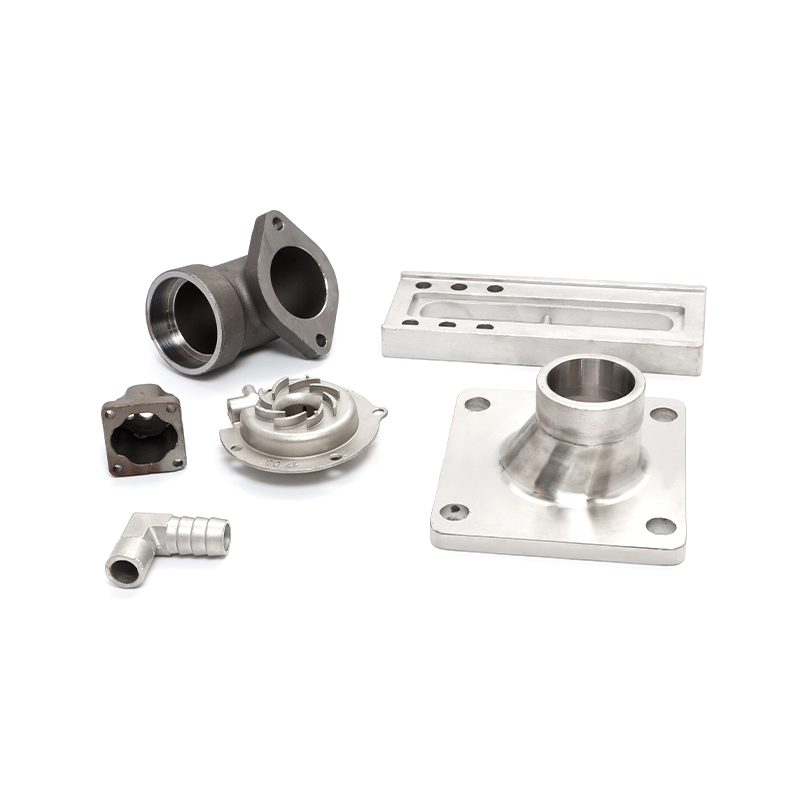
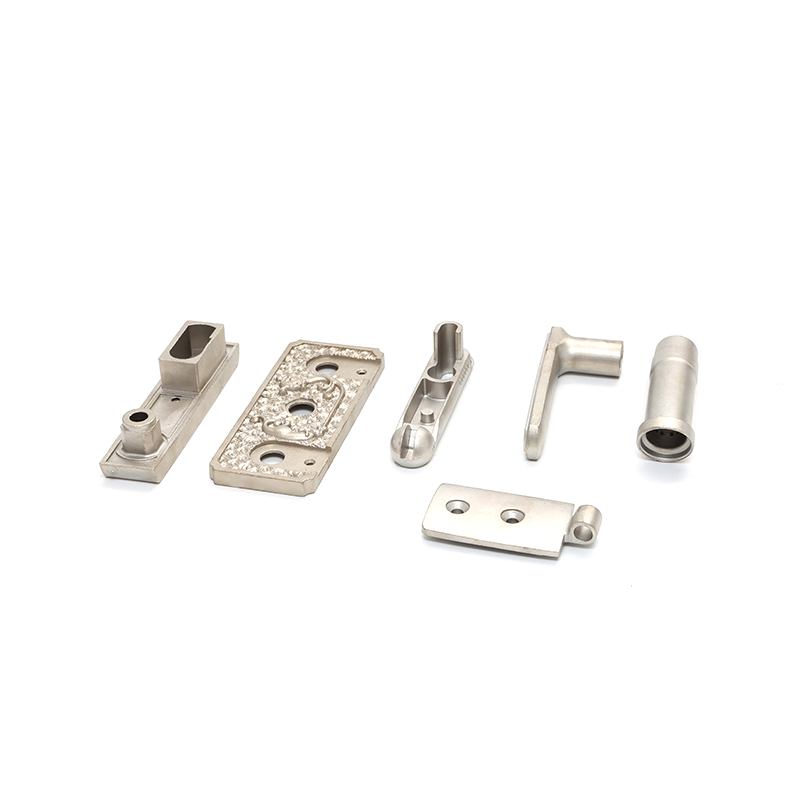
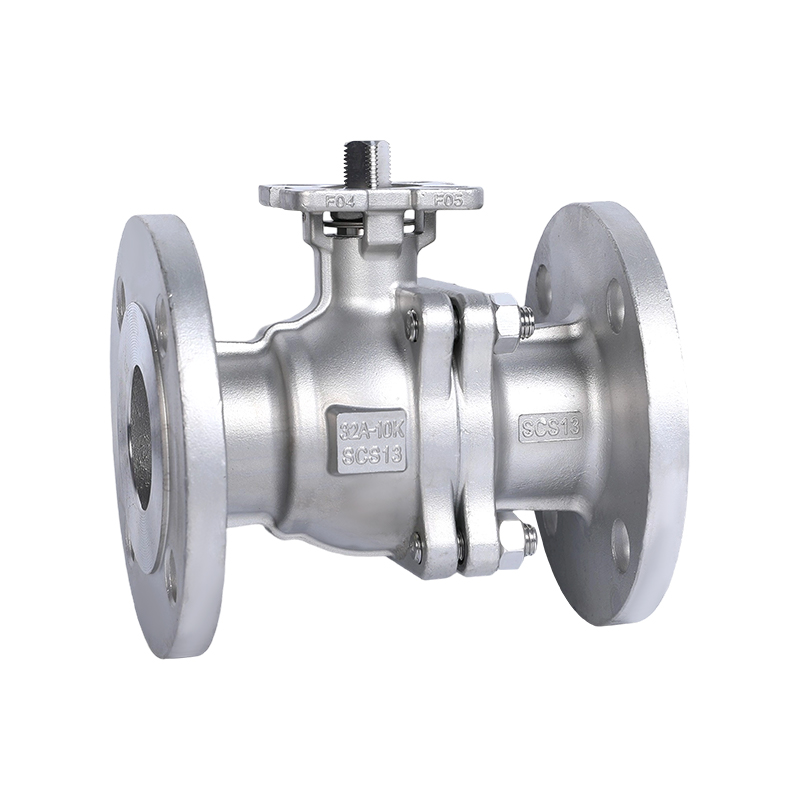
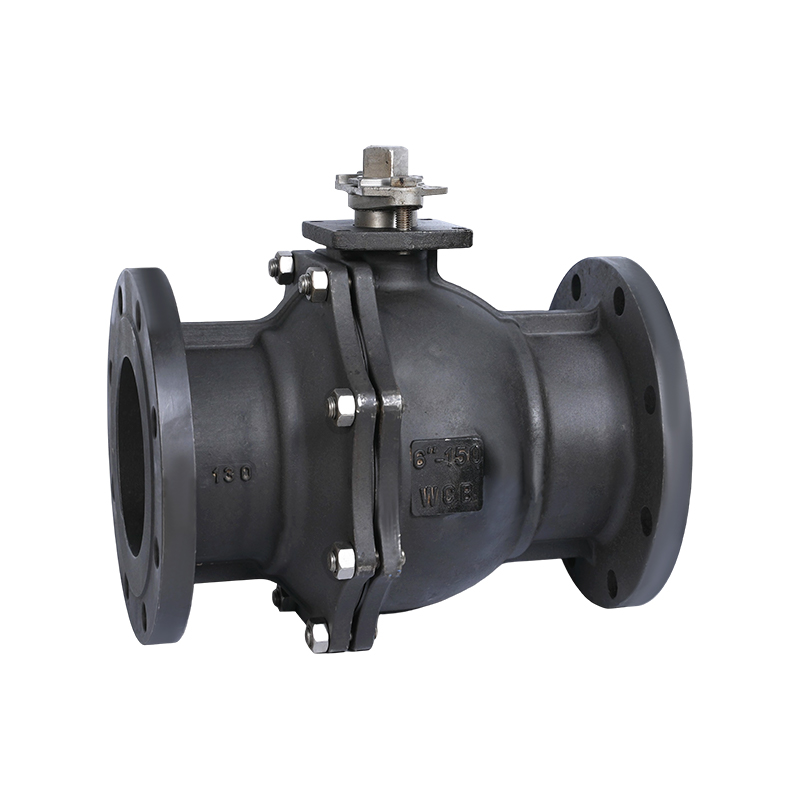
The increasing demand for advanced High Platform Ball Valve products and reliable support from a professional Precision Casting Factory reflects a growing challenge across modern industrial manufacturing: traditional valve systems are no longer fully compatible with today’s automated production environments. As industries accelerate digital transformation and intelligent equipment upgrades, global buyers are facing mounting pressure to improve system reliability, reduce downtime, and optimize long-term operational efficiency.
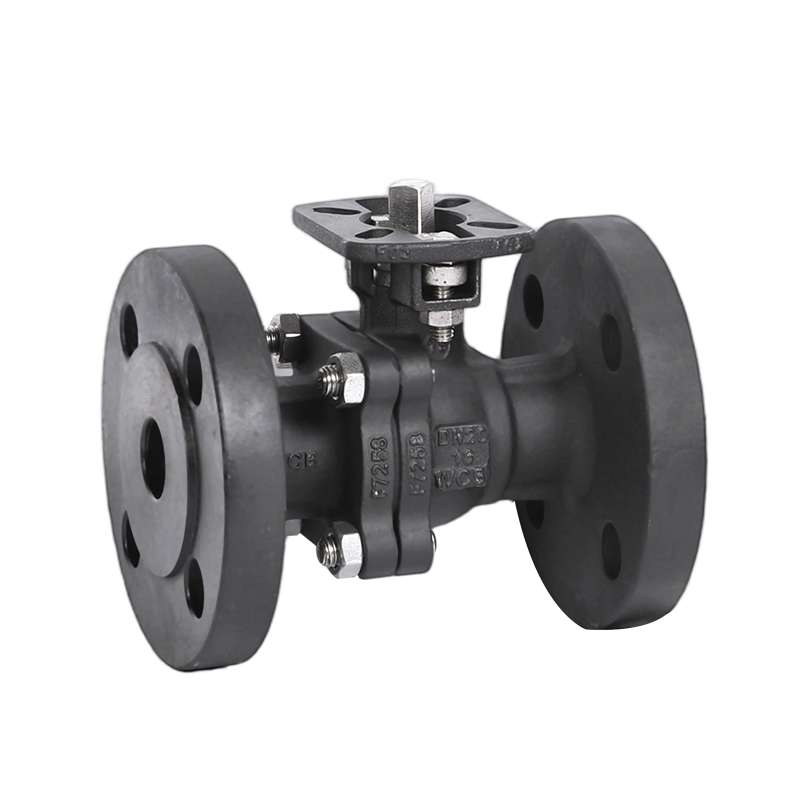
Recently, overseas industrial markets have been heavily focused on automation upgrades, energy-saving manufacturing, and supply chain resilience. Engineering companies, factory operators, and industrial procurement teams are actively searching for valve solutions capable of supporting continuous operation while minimizing maintenance interruptions. This shift is pushing manufacturers toward higher-precision production methods and more automation-friendly valve designs.
Older Valve Systems Often Create Unexpected Downtime
Many industrial facilities still operate using traditional valve products originally designed for manual control systems. While these valves may function adequately in basic environments, they often struggle under modern automated operating conditions.
Common issues include:
- Inconsistent switching performance during high-frequency operation
- Poor actuator compatibility
- Leakage after long-term use
- Corrosion in demanding industrial environments
- Difficult maintenance access in compact automated systems
These problems not only increase maintenance costs but can also interrupt production schedules and reduce operational efficiency.
Automation Upgrades Require More Stable Valve Performance
Modern automated factories rely heavily on stable and repeatable component performance. Even small dimensional inconsistencies or sealing failures can affect the accuracy of intelligent control systems.
Industrial buyers now prioritize valve solutions that offer:
- Precise actuator mounting compatibility
- Stable torque control performance
- Reliable sealing under continuous operation
- Fast response capability for automated systems
- Long operational lifespan with reduced maintenance needs
As industrial automation continues expanding globally, component precision is becoming a critical procurement standard rather than an optional feature.
Precision Casting Is Helping Solve Structural Consistency Problems
Traditional rough casting methods can create internal material inconsistencies and dimensional deviations that negatively affect valve performance. This is one reason why more industrial manufacturers are adopting advanced precision casting technology.
Modern precision casting processes help improve:
- Structural uniformity
- Machining accuracy
- Surface finish quality
- Pressure resistance stability
- Corrosion resistance performance
These improvements help reduce assembly errors while supporting better long-term operational reliability in automated industrial systems.
Industrial Buyers Are Paying Closer Attention to Material Reliability
Recent industry trends show increasing demand for industrial valve products capable of handling complex operating environments, especially in sectors such as energy, chemical processing, water treatment, and industrial automation.
Modern valve systems increasingly adopt:
- Stainless steel casting materials
- Reinforced sealing structures
- Corrosion-resistant internal components
- High-strength actuator platforms
- Precision-machined flow channels
Material quality now plays a major role in determining long-term operational stability and maintenance frequency.
Overseas Buyers Are Becoming More Technical During Procurement
Today’s industrial procurement teams are far more detail-focused than before. Buyers are increasingly evaluating suppliers based on engineering capability and manufacturing precision rather than simply comparing prices.
Key purchasing priorities now include:
- Automation compatibility
- Dimensional consistency
- Long-term sealing performance
- Ease of maintenance and replacement
- Technical support capability
Manufacturers capable of solving these practical operational challenges are gaining stronger competitiveness in global industrial markets.
Future Valve Solutions Will Focus on Reliability and Intelligent Integration
The industrial valve industry is steadily evolving toward smarter, more durable, and precision-oriented solutions. As intelligent manufacturing systems continue expanding worldwide, buyers will demand higher production standards and more reliable operational performance.
Future industry trends are expected to include:
- Greater integration with intelligent automation systems
- Increased use of precision casting technology
- Stronger corrosion-resistant material development
- More compact high-efficiency valve structures
- Improved lifecycle management for industrial equipment
As industrial facilities continue modernizing globally, advanced High Platform Ball Valve products and the manufacturing strength of a professional Precision Casting Factory will remain increasingly important for efficient and reliable fluid control system upgrades.

CONTACT INFO
 [email protected]
[email protected] +86-13857761200
 +86-0577-86566777
 No. 199, Baiyu Road, Binhai Park, Wenzhou, Zhejiang, China.
Copyright© Zhejiang Lizhi Metal Products Technology Co., Ltd. All Rights Reserved.

China Stainless Steel Valves