

Call us: +86-13857761200

Email us:[email protected]
 Get a quote

 EN
EN 
 English
 中文简体
中文简体 Español
 русский
Submit feedback
Industry News
 Home / News / Industry News / How Is the Global Shift Toward Smart Manufacturing Changing Industrial Valve Procurement?
 How Is the Global Shift Toward Smart Manufacturing Changing Industrial Valve Procurement?
 2026.05.15
 Industry News
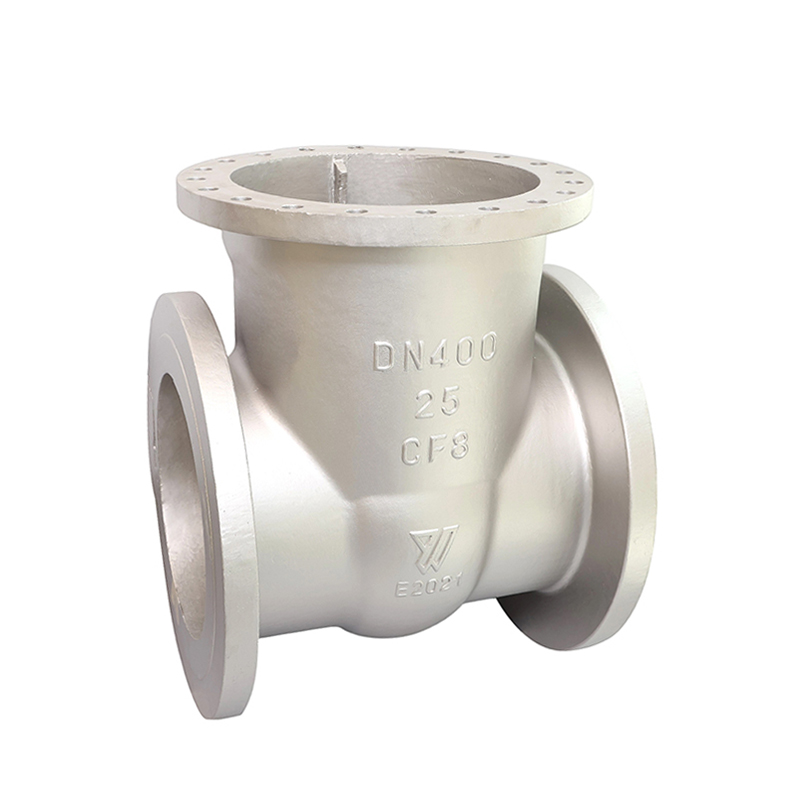
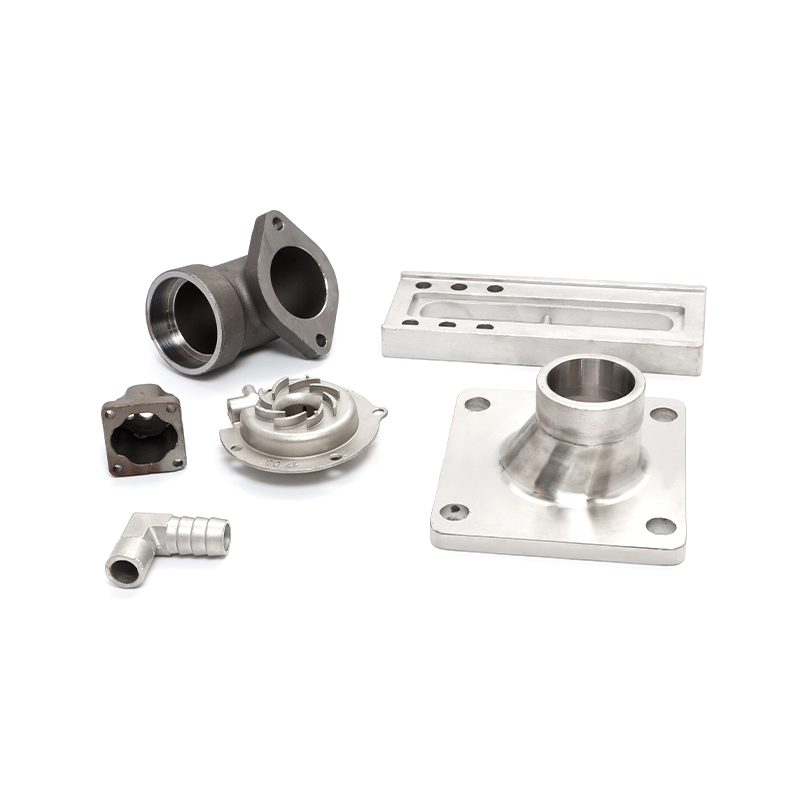
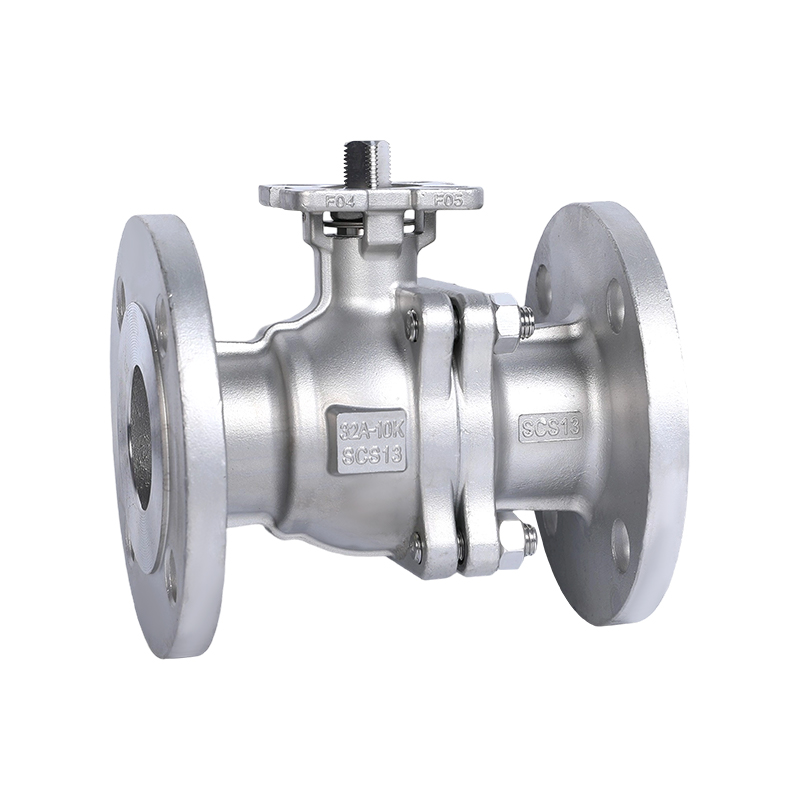
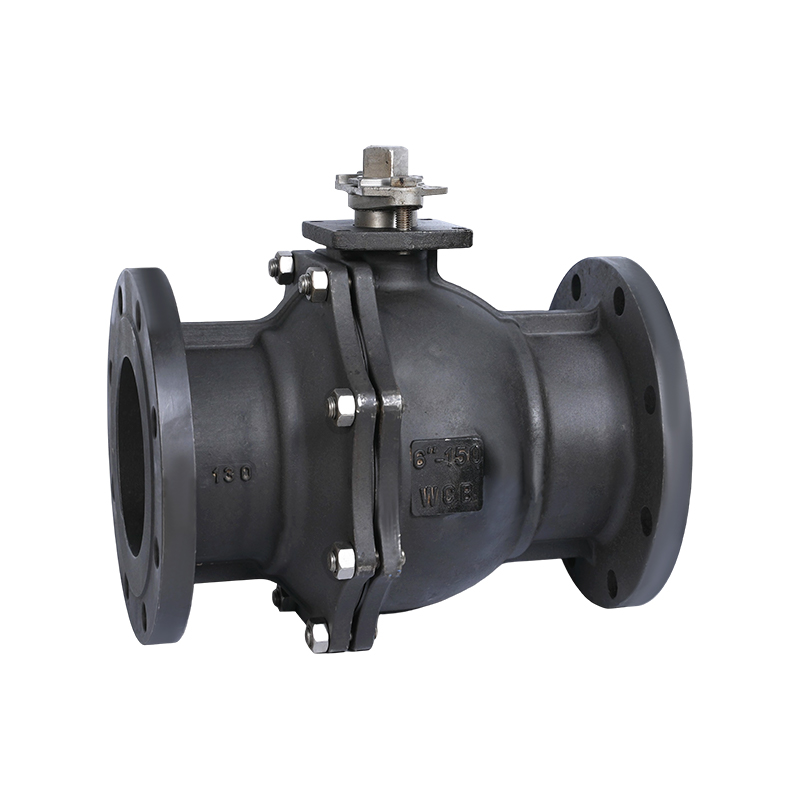
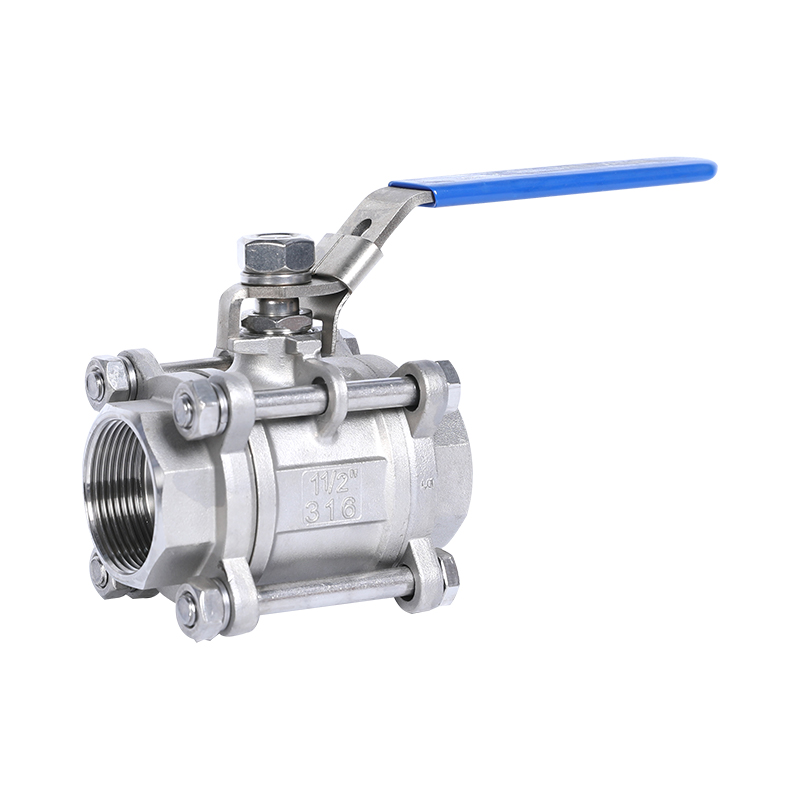
The rapid expansion of industrial automation has significantly increased demand for advanced High Platform Ball Valve solutions and reliable production support from a professional Precision Casting Factory. Across industries such as energy, chemical processing, water treatment, and industrial equipment manufacturing, buyers are no longer satisfied with standard valve products designed only for basic shut-off applications. Instead, modern factories require components that can support intelligent systems, improve operational efficiency, and reduce long-term maintenance risks.
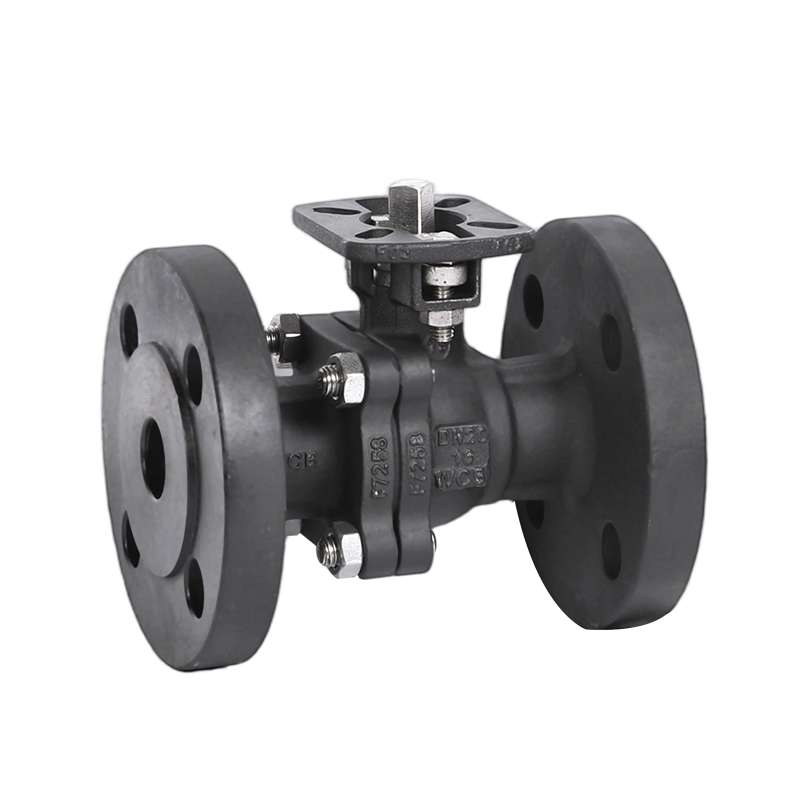
Recently, global discussions around smart factories, energy efficiency, and supply chain stability have become major topics across industrial sectors and overseas B2B platforms. More engineering companies are upgrading production lines with automated control systems, which is driving demand for higher-precision industrial valve components and more stable casting technology.
Traditional Valve Solutions Are Struggling in Automated Systems
Many conventional industrial valves were originally developed for manually operated environments. However, as factories adopt automated production systems, these older designs are exposing several limitations.
Common operational challenges include:
- Unstable actuator compatibility
- Irregular sealing performance during continuous operation
- High torque fluctuation affecting automation systems
- Difficulty integrating with digital monitoring equipment
- Increased downtime caused by maintenance requirements
In highly automated production environments, even small valve inconsistencies can affect system efficiency and production stability.
Smart Manufacturing Is Increasing Precision Requirements
The global transition toward smart manufacturing is changing how industrial buyers evaluate valve suppliers. Precision, repeatability, and compatibility with automation systems are becoming more important than simple low-cost sourcing.
Modern industrial valve systems are increasingly expected to support:
- Pneumatic and electric actuator integration
- Stable switching performance
- Intelligent process control systems
- High-frequency operation environments
- Long-term sealing reliability
This trend is especially visible in industries upgrading toward Industry 4.0 production standards.
Precision Casting Technology Helps Improve Product Stability
Precision casting has become an increasingly important manufacturing method for industrial valve production because it improves both structural consistency and machining accuracy.
Compared with traditional casting approaches, advanced precision casting technology can help achieve:
- More stable dimensional tolerances
- Better internal material density
- Improved surface finish quality
- Enhanced corrosion resistance
- Reduced machining deviation during assembly
These advantages are critical for industrial buyers seeking stable product performance in demanding operating environments.
Energy Efficiency Is Becoming a Procurement Priority
As energy-saving regulations and sustainability targets continue influencing global industries, more companies are paying attention to fluid control efficiency and operational energy consumption.
Modern valve design now focuses more on:
- Lower operating resistance
- Improved sealing structures
- Reduced leakage risks
- More efficient actuator response
- Longer operational lifespan
Industrial buyers increasingly understand that efficient valve systems can help reduce maintenance frequency and improve long-term operational stability.
Supply Chain Reliability Is Influencing Buyer Decisions
Recent global supply chain fluctuations have made international buyers more cautious when selecting industrial component suppliers. Delivery stability and manufacturing consistency are now major procurement concerns.
Professional manufacturers with mature production management systems can better support:
- Stable export delivery schedules
- Consistent batch quality control
- Flexible OEM and ODM solutions
- Technical customization capability
- Faster communication and after-sales response
For overseas buyers, reliable supplier cooperation has become just as important as product quality itself.
Overseas Buyers Are Paying More Attention to Technical Details
Industrial procurement teams today are becoming far more detail-oriented. Beyond pricing, buyers increasingly evaluate product compatibility, technical performance, and manufacturing capability.
Important evaluation factors now include:
- Precision machining capability
- Automation system compatibility
- Corrosion resistance under different conditions
- Pressure and temperature adaptability
- Long-term operational durability
Suppliers capable of meeting these increasingly technical demands are gaining stronger competitiveness in international industrial markets.
As industries worldwide continue upgrading their automation systems, advanced High Platform Ball Valve products and the manufacturing capabilities of a professional Precision Casting Factory are expected to play an increasingly important role in modern industrial fluid control solutions.

CONTACT INFO
 [email protected]
[email protected] +86-13857761200
 +86-0577-86566777
 No. 199, Baiyu Road, Binhai Park, Wenzhou, Zhejiang, China.
Copyright© Zhejiang Lizhi Metal Products Technology Co., Ltd. All Rights Reserved.

China Stainless Steel Valves