

Call us: +86-13857761200

Email us:[email protected]
 Get a quote

 EN
EN 
 English
 中文简体
中文简体 Español
 русский
Submit feedback
Industry News
 Home / News / Industry News / Why Is Precision Manufacturing Becoming Critical for Modern Industrial Valve Performance?
 Why Is Precision Manufacturing Becoming Critical for Modern Industrial Valve Performance?
 2026.05.08
 Industry News
As industrial automation and fluid control systems continue evolving, buyers are paying closer attention to the manufacturing quality behind every valve component. In industries such as oil & gas, chemical processing, water treatment, and automated production lines, reliability is no longer determined only by valve design, but also by the precision of the manufacturing process itself. In this environment, the High Platform Ball Valve has become increasingly valued for its compatibility with automated control systems, while a professional Precision Casting Factory plays a vital role in ensuring dimensional accuracy, sealing reliability, and long-term operational stability.

Across global industrial markets, precision manufacturing is becoming one of the key factors influencing procurement decisions.
Automation Is Changing Industrial Valve Requirements
Modern industrial systems are becoming more automated, requiring valves that can integrate efficiently with pneumatic actuators, electric actuators, and smart control platforms. Traditional manual valve systems are gradually being replaced by automation-ready products designed for higher operational consistency.
This shift has increased demand for valve components manufactured with tighter tolerances and more stable structural performance. Buyers are no longer focused only on flow control capability; they are also evaluating operational lifespan, installation efficiency, and compatibility with intelligent industrial systems.
As industrial facilities continue modernizing, valve precision becomes increasingly important.
High Platform Ball Valve Supporting Automated Fluid Control
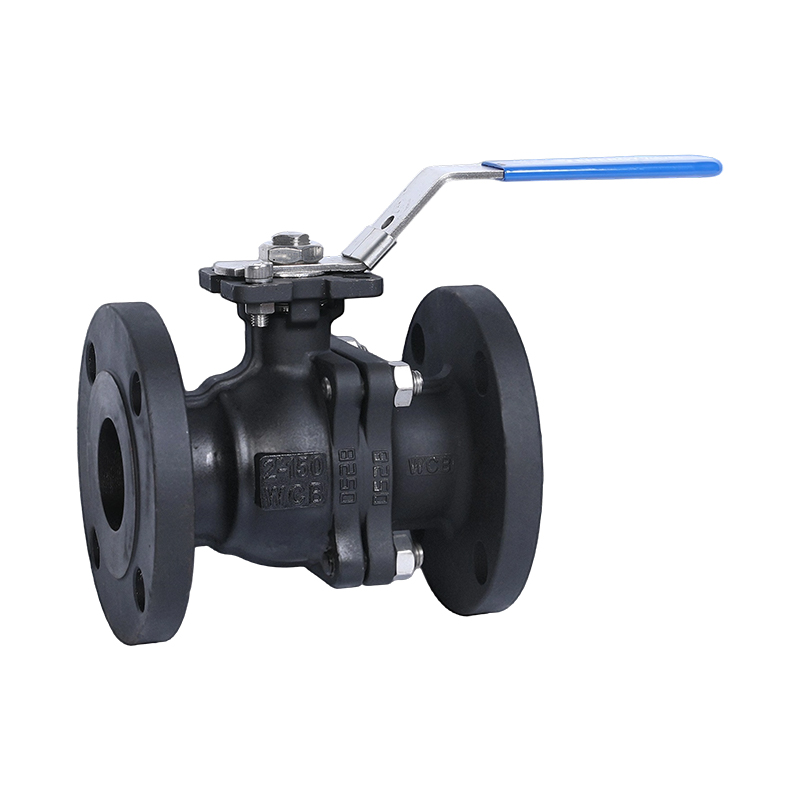
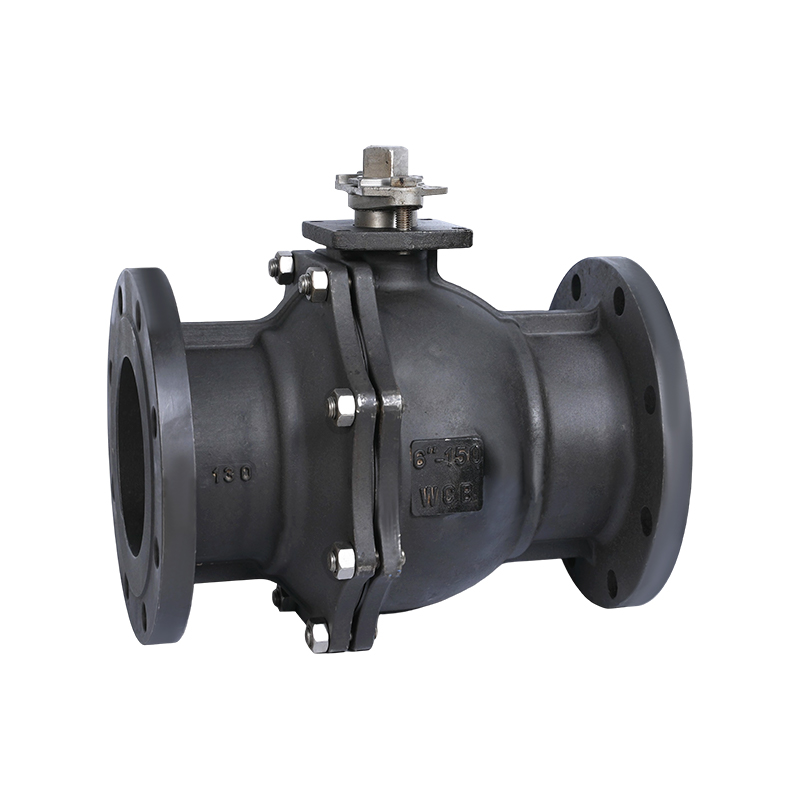
The High Platform Ball Valve is widely used in automated pipeline systems because of its convenient mounting structure and compatibility with actuator systems. Its integrated high platform design simplifies installation while improving alignment between the valve body and automation equipment.
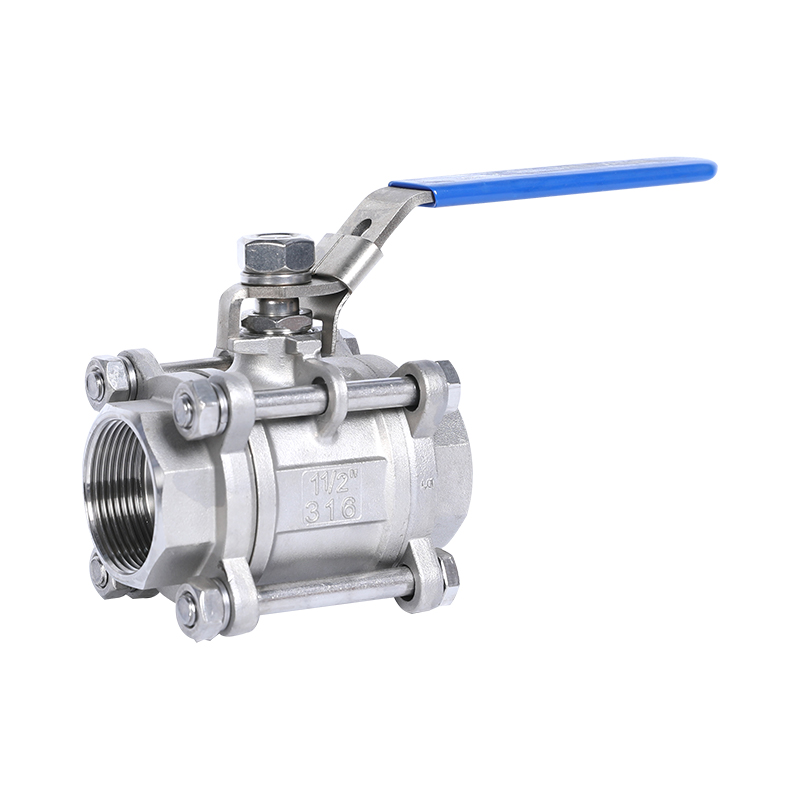
This type of valve is commonly applied in industrial fluid control systems requiring efficient switching performance and stable sealing reliability. Stainless steel configurations are particularly popular in environments involving corrosion risks or demanding operating conditions.
With the expansion of industrial automation, demand for high-platform valve solutions continues growing across multiple sectors.
Precision Casting Factory Influencing Product Reliability
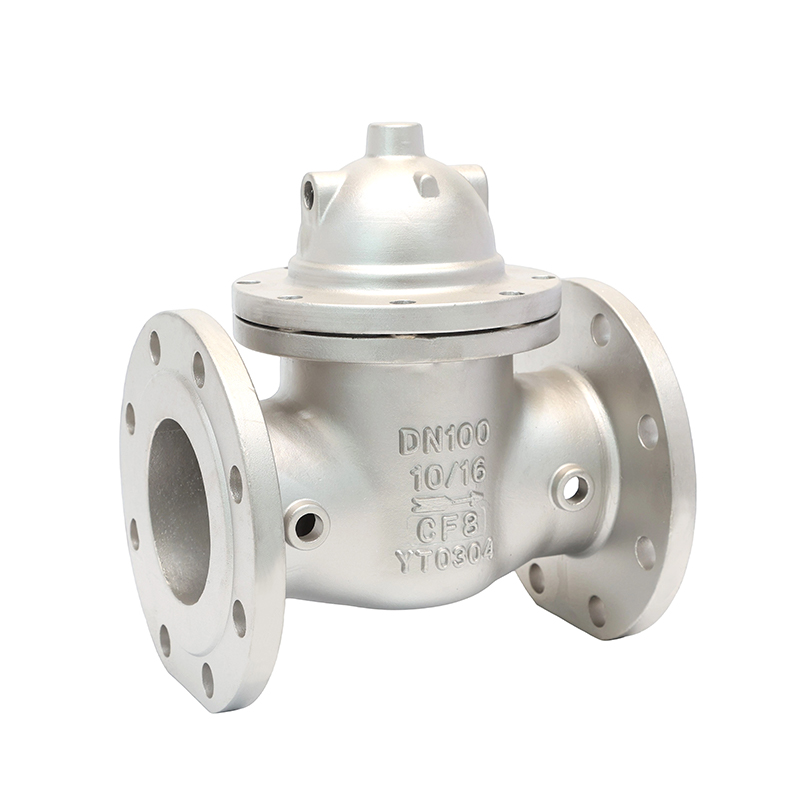
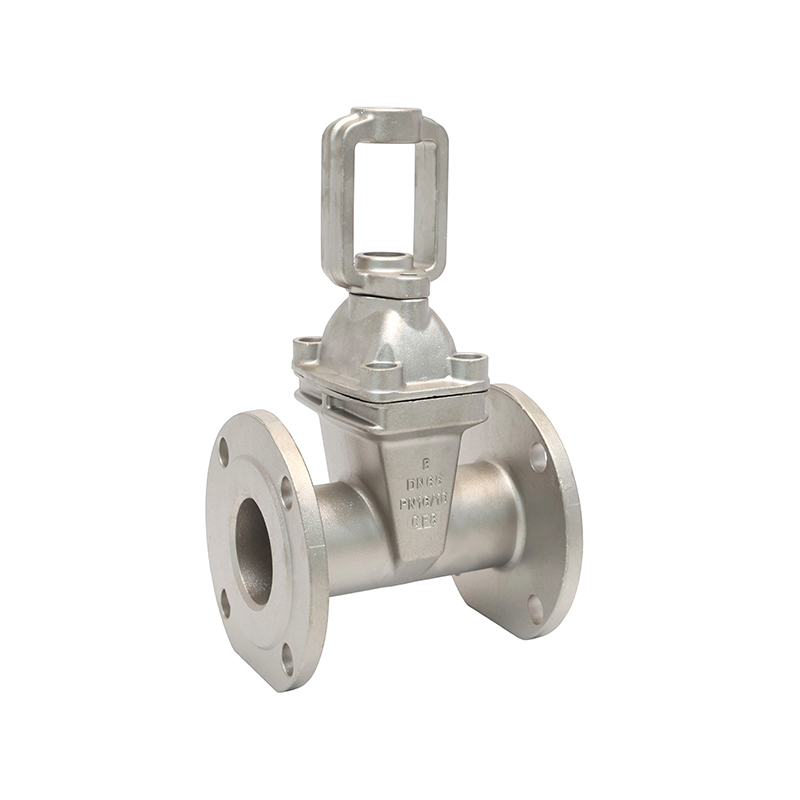
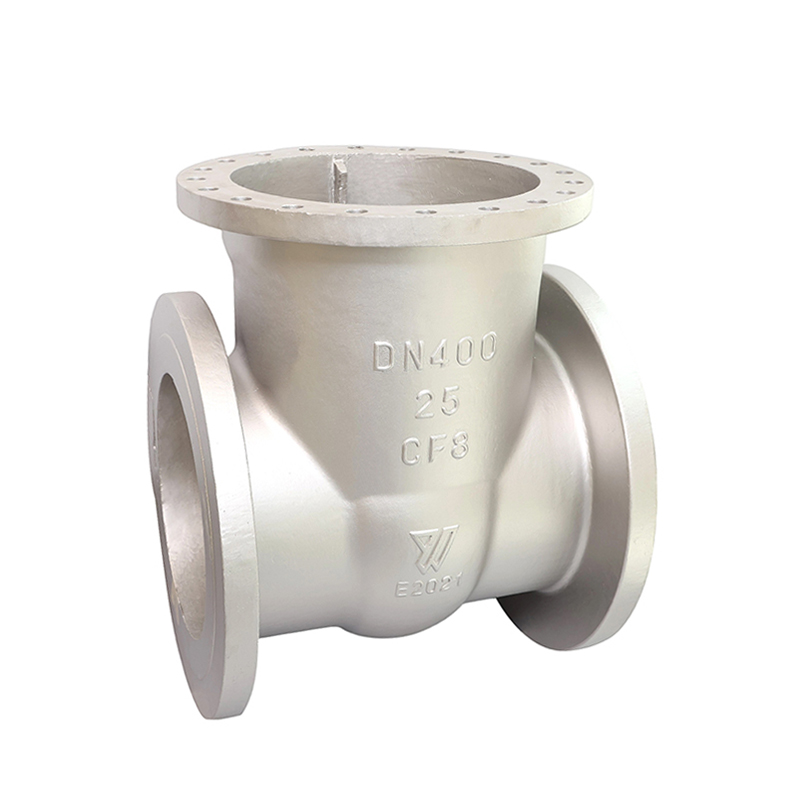
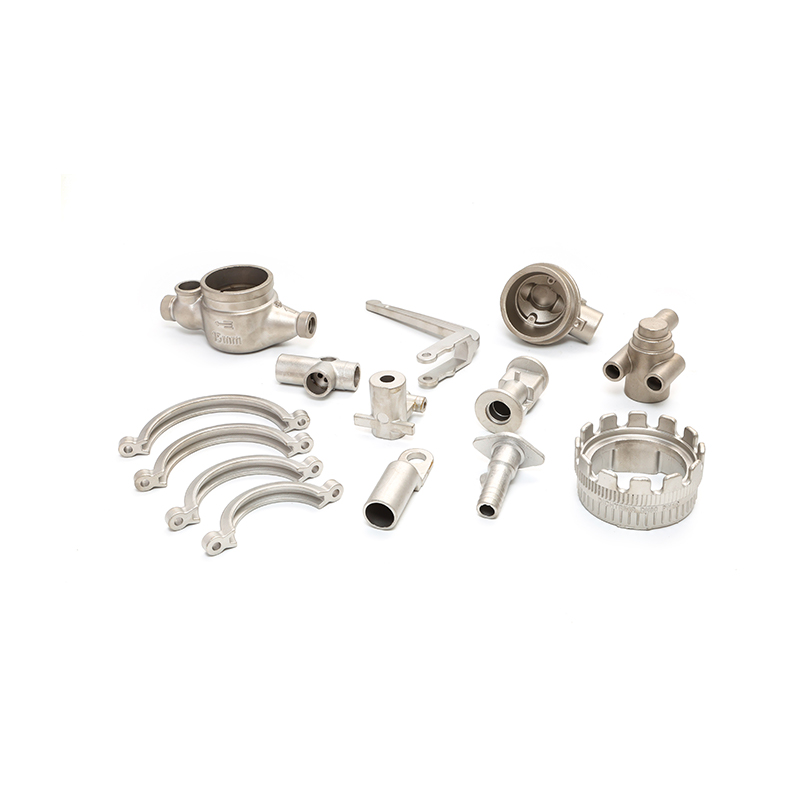
A professional Precision Casting Factory directly affects the quality and consistency of industrial valve products. Precision casting technologies help improve dimensional accuracy, surface quality, and structural integrity while reducing machining deviations during production.
Modern casting processes also allow manufacturers to create more complex valve structures with improved consistency across large production volumes. This is especially important for industrial buyers seeking stable long-term performance in demanding operating environments.
Precision casting is now considered an essential part of high-quality valve manufacturing rather than simply a production step.
Material Selection and Machining Accuracy Matter More Than Ever
Industrial buyers are increasingly concerned about material performance and manufacturing precision. Valve products used in chemical processing, water systems, and energy infrastructure must maintain stable performance under pressure, temperature variation, and long-term operation.
Commonly used materials such as stainless steel and corrosion-resistant alloys help improve durability and sealing stability. At the same time, precision machining and quality inspection processes help reduce leakage risks and improve operational reliability.
This growing emphasis on manufacturing quality is driving stronger demand for advanced casting and machining capabilities.
Industry Trends Driving Demand for Precision Valve Components
Several important trends are shaping the industrial valve market:
- Expansion of automated industrial production systems
- Rising demand for intelligent flow control equipment
- Increased focus on long-term operational reliability
- Greater attention to corrosion-resistant materials
- Growing investment in industrial infrastructure upgrades
These developments are encouraging buyers to work with manufacturers capable of delivering both precision engineering and stable production quality.
Common Industrial Application Areas
Precision-cast valve systems are widely used across multiple industries:
- Industrial Fluid Control
- Chemical processing plants
- Water treatment facilities
- Oil and gas pipeline systems
- Industrial manufacturing equipment
- Automated Control Infrastructure
- Pneumatic actuator systems
- Automated production lines
- Smart industrial control systems
- Energy and utility facilities
Their versatility supports both standard industrial operations and advanced automated applications.
Key Considerations for Overseas Buyers
- Professional buyers often evaluate:
- Casting precision and surface quality
- Valve sealing reliability
- Compatibility with automation systems
- Material durability and corrosion resistance
- Manufacturing consistency and technical support
These factors directly influence long-term operational stability and maintenance efficiency.
Precision Manufacturing Is Reshaping Industrial Valve Quality
As industrial systems continue becoming more automated and performance-driven, precision manufacturing is playing a larger role in valve reliability and operational efficiency.
A high-quality High Platform Ball Valve supports stable and efficient automated fluid control, while a professional Precision Casting Factory provides the manufacturing precision needed for long-term industrial performance. Together, they are helping industries build more reliable, intelligent, and future-ready fluid control systems.

CONTACT INFO
 [email protected]
[email protected] +86-13857761200
 +86-0577-86566777
 No. 199, Baiyu Road, Binhai Park, Wenzhou, Zhejiang, China.
Copyright© Zhejiang Lizhi Metal Products Technology Co., Ltd. All Rights Reserved.

China Stainless Steel Valves