

Call us: +86-13857761200

Email us:[email protected]
 Get a quote

 EN
EN 
 English
 中文简体
中文简体 Español
 русский
Submit feedback
Industry News

Comprehensive Guide to Full Port Floating Ball Valves
 2025.11.03
 Industry News
Full port floating ball valves are widely used in industrial applications for controlling the flow of liquids and gases. Their design allows for small pressure drop, reliable sealing, and straightforward operation, making them a preferred choice in systems that require consistent performance. These valves are available in various materials, with stainless steel being one of the more common due to its corrosion resistance and durability.
Understanding Full Port Floating Ball Valves
A full port floating ball valve, also known as a full bore floating ball valve, features a spherical ball with a hole matching the pipe diameter. This design ensures that the internal flow path is unrestricted, small pressure loss and allowing media to pass through without turbulence. The “floating” term refers to the ball being supported by the valve seats rather than a stem, allowing it to shift slightly under system pressure to maintain a tight seal.
The floating ball design provides efficient sealing with low operating torque. When the valve is closed, system pressure pushes the ball against the downstream seat, creating a reliable seal. This mechanism is particularly effective in applications where maintaining leak-free operation is crucial, such as chemical processing, water treatment, and oil and gas pipelines.
Construction and Materials
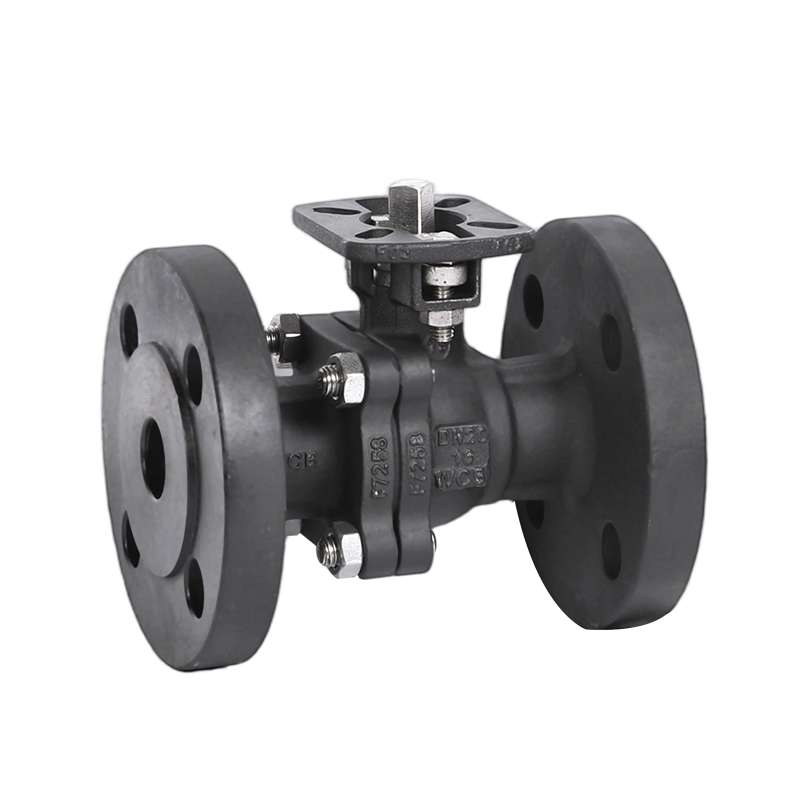
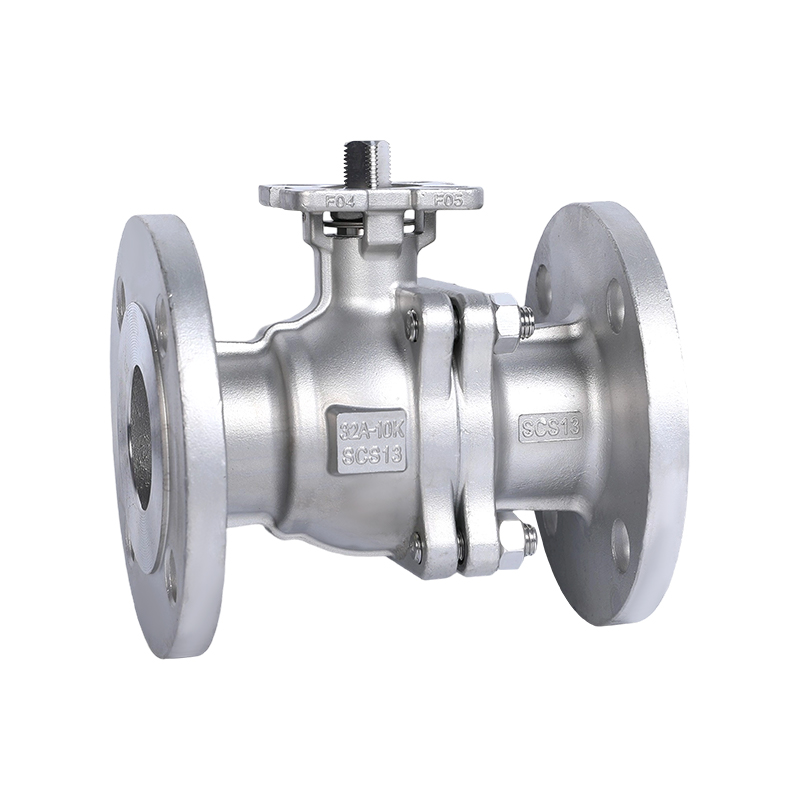
Full port floating ball valves are typically constructed from stainless steel, carbon steel, or other alloys suitable for specific industrial conditions. Stainless steel variants offer good resistance to corrosion, making them ideal for systems handling aggressive chemicals or high-moisture fluids.
Key components of a floating ball valve include:
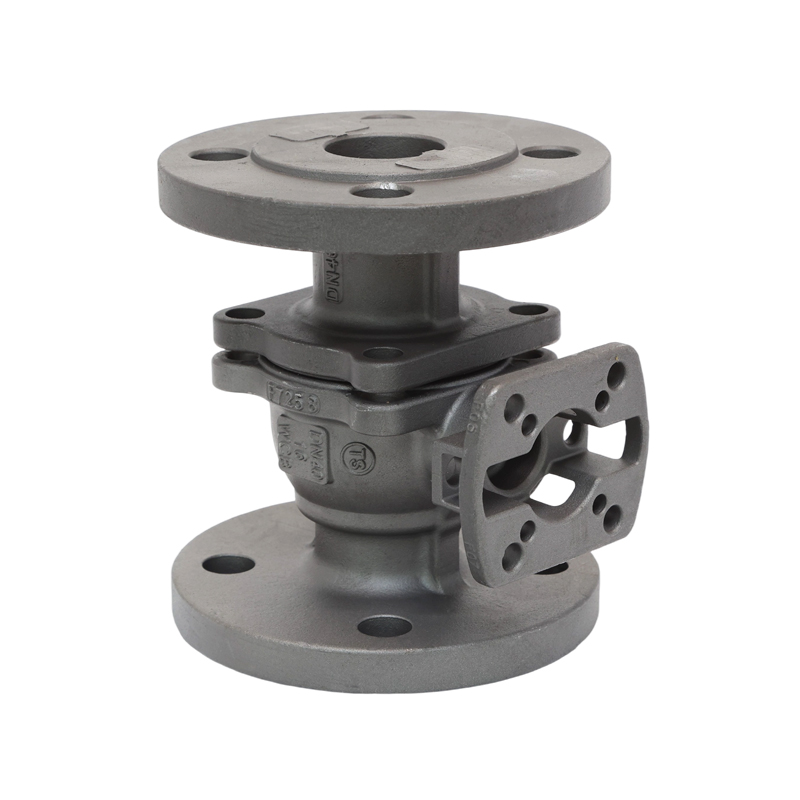
Valve Body: Houses internal components and provides connection points to pipelines.
Ball: Spherical element that regulates flow.
Seats: Usually made of PTFE or other durable polymers, providing a tight seal around the ball.
Stem: Connects the ball to the actuator or handle for operation.
Seals and Gaskets: Ensure leak-proof performance between components.
High-quality materials and precise machining are essential to ensure the valve performs reliably under varying pressures and temperatures. Stainless steel full port floating ball valves are particularly common in industries requiring hygiene, chemical resistance, or high-pressure tolerance.
Operating Mechanism
The operation of a floating ball valve is simple yet effective. The ball rotates 90 degrees around the stem axis to open or close the valve. When the valve is open, the full port design allows the fluid to flow without constriction, reducing pressure drop and small energy loss in pumping systems.
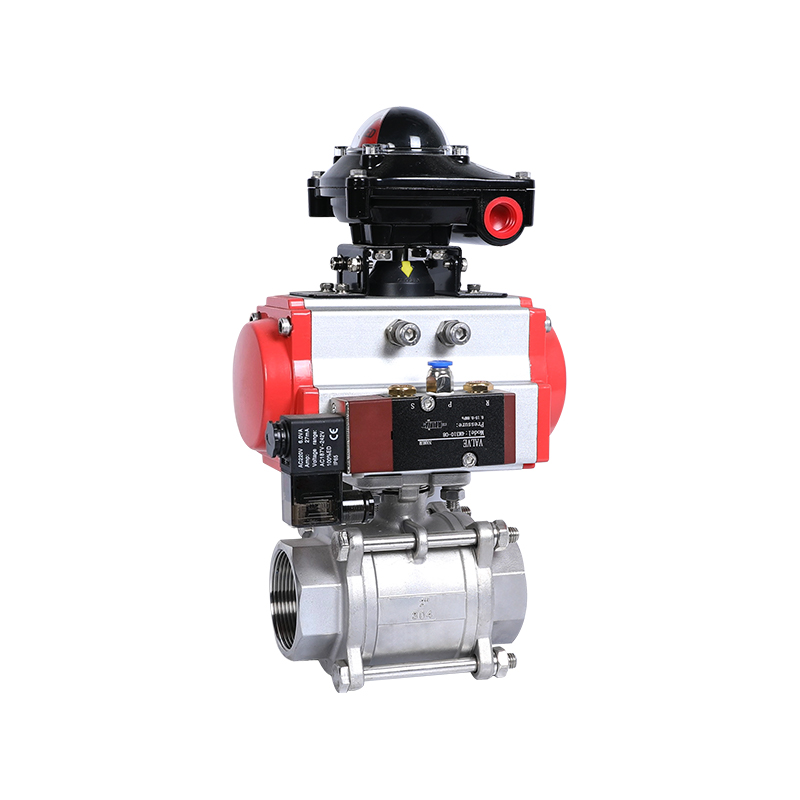
In floating ball valves, the ball moves slightly toward the downstream seat under pressure, enhancing the sealing effect. This movement ensures tight shutoff even with minor imgoodions in the seat or ball surface. Manual operation is common in smaller valves, while larger valves may use electric, pneumatic, or hydraulic actuators for automation and remote control.
Advantages of Full Port Floating Ball Valves
Full port floating ball valves offer several advantages that make them suitable for diverse industrial applications:
1. Small Pressure Drop: The full bore design ensures that the internal diameter matches the pipeline, allowing fluids to flow freely.
2. Reliable Sealing: Floating ball design creates a tight seal with system pressure, reducing leakage risks.
3. Versatile Applications: Suitable for liquids, gases, and slurries across different industries.
4. Low Operating Torque: Requires less effort to operate compared to other valve types.
5. Durability: High-quality materials, such as stainless steel, provide corrosion and wear resistance.
These advantages make full port floating ball valves a practical choice for applications where efficiency, reliability, and maintenance ease are priorities.
Applications of Full Port Floating Ball Valves
Full port floating ball valves are used in a wide range of industries due to their robust design and reliable performance:
Chemical Processing: They handle corrosive and aggressive fluids while maintaining leak-free operation.
Oil and Gas: Used for controlling crude oil, natural gas, and refined products in pipelines and processing plants.
Water and Wastewater Treatment: Provide flow control and shutoff in high-pressure water systems.
Food and Beverage: Stainless steel valves are suitable for sanitary applications, ensuring compliance with hygiene standards.
Power Generation: Regulate cooling water and other fluids in power plants.
Pharmaceuticals: Facilitate precise flow control while meeting cleanliness and material safety requirements.
The versatility of full port floating ball valves allows them to be installed in pipelines of various sizes, pressures, and temperatures, making them adaptable to multiple operational requirements.
Automation Options
Modern full port floating ball valves often incorporate automation for improved control and efficiency:
Electric Actuation: Provides precise control and integration with automated systems. Useful for remote operation and process monitoring.
Pneumatic Actuation: Uses compressed air to operate the valve quickly, suitable for fast-response applications and hazardous environments.
Hydraulic Actuation: Delivers high force for large-diameter valves or high-pressure systems, ensuring smooth operation under demanding conditions.
Automation enhances the operational efficiency of industrial processes, reduces manual intervention, and supports integration into control systems like SCADA or DCS.
Installation and Maintenance Considerations
Proper installation and maintenance are critical to ensure the long-term performance of full port floating ball valves:
Installation: Ensure alignment with the pipeline, avoid excessive torque on connections, and follow recommended torque settings for bolts and flanges.
Maintenance: Periodically inspect seats, seals, and actuator connections for wear or damage. Clean internal surfaces when handling fluids prone to scaling or sediment accumulation.
Material Compatibility: Verify that valve materials are compatible with the media to prevent corrosion or erosion.
Stainless steel full port floating ball valves generally require less maintenance compared to other valve types due to their robust construction and corrosion resistance. Regular inspection ensures that they continue to operate efficiently and safely.
Comparison with Other Valve Types
Compared to standard ball valves or reduced port valves, full port floating ball valves offer distinct advantages:
Full Port vs. Reduced Port: Full port valves provide unrestricted flow, small pressure drop, while reduced port valves may create slight restrictions.
Floating vs. Trunnion Ball: Floating ball valves are simpler and suitable for moderate sizes, while trunnion-mounted valves are preferred for large-diameter, high-pressure applications due to reduced operating torque.
Understanding these differences helps engineers select the more appropriate valve type for their system requirements.
Conclusion
Full port floating ball valves are essential components in industrial fluid control systems. Their full bore design ensures small pressure drop, while the floating ball mechanism provides reliable sealing and ease of operation. Stainless steel construction enhances durability and corrosion resistance, making these valves suitable for diverse applications, from chemical processing to water treatment and food production.
With options for manual, electric, pneumatic, or hydraulic actuation, full port floating ball valves can meet the operational needs of modern automated systems. Proper installation, material selection, and maintenance ensure long-term performance and reliability. By understanding the characteristics and benefits of full port floating ball valves, engineers and system designers can optimize fluid control processes for efficiency, safety, and durability.

CONTACT INFO
 [email protected]
[email protected] +86-13857761200
 +86-0577-86566777
 No. 199, Baiyu Road, Binhai Park, Wenzhou, Zhejiang, China.
Copyright© Zhejiang Lizhi Metal Products Technology Co., Ltd. All Rights Reserved.

China Stainless Steel Valves