

Call us: +86-13857761200

Email us:[email protected]
 Get a quote

 EN
EN 
 English
 中文简体
中文简体 Español
 русский
Submit feedback
Industry News
 Home / News / Industry News / How Are Advanced Ball Valve Designs Improving Industrial Flow Control Efficiency?
 How Are Advanced Ball Valve Designs Improving Industrial Flow Control Efficiency?
 2026.04.17
 Industry News
In today’s rapidly evolving industrial landscape, precise flow control and automation are becoming increasingly important. As a professional manufacturer of High Platform Ball Valve and Pneumatic Ball Valve, we have observed a growing demand from global buyers, engineers, and system integrators for solutions that combine durability, automation compatibility, and operational efficiency. These valve types are widely adopted across industries seeking reliable performance under varying pressure and media conditions.
Understanding the Role of Ball Valves in Modern Systems
Ball valves are essential components in fluid control systems, offering quick shut-off capability and minimal pressure drop. Their simple structure, combined with effective sealing performance, makes them suitable for applications involving liquids, gases, and even corrosive media.
The evolution toward automated systems has further increased the importance of valves that can integrate seamlessly with actuators and control units.
High Platform Design for Automation Compatibility
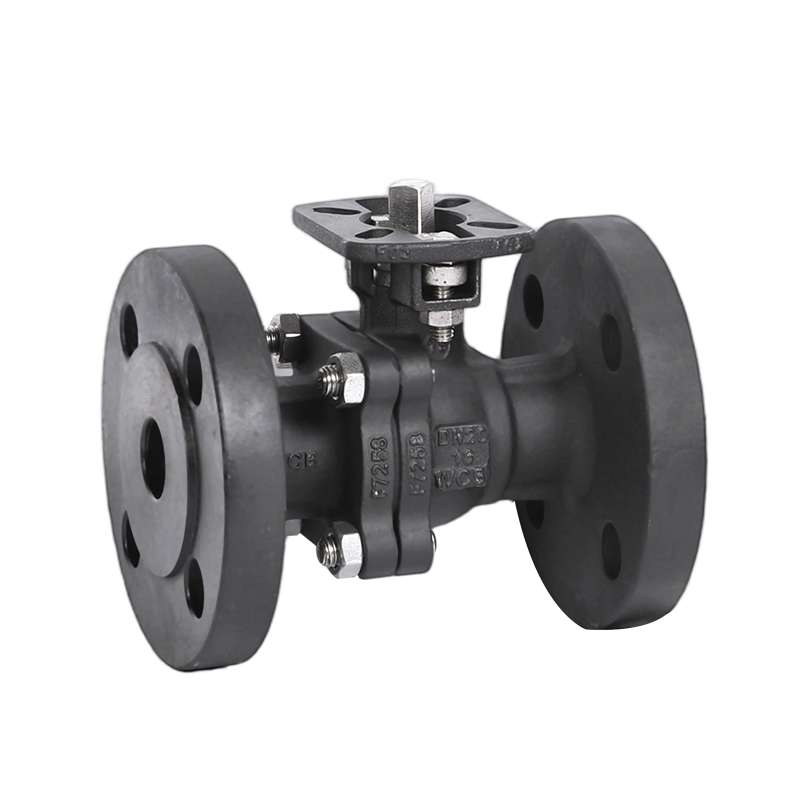
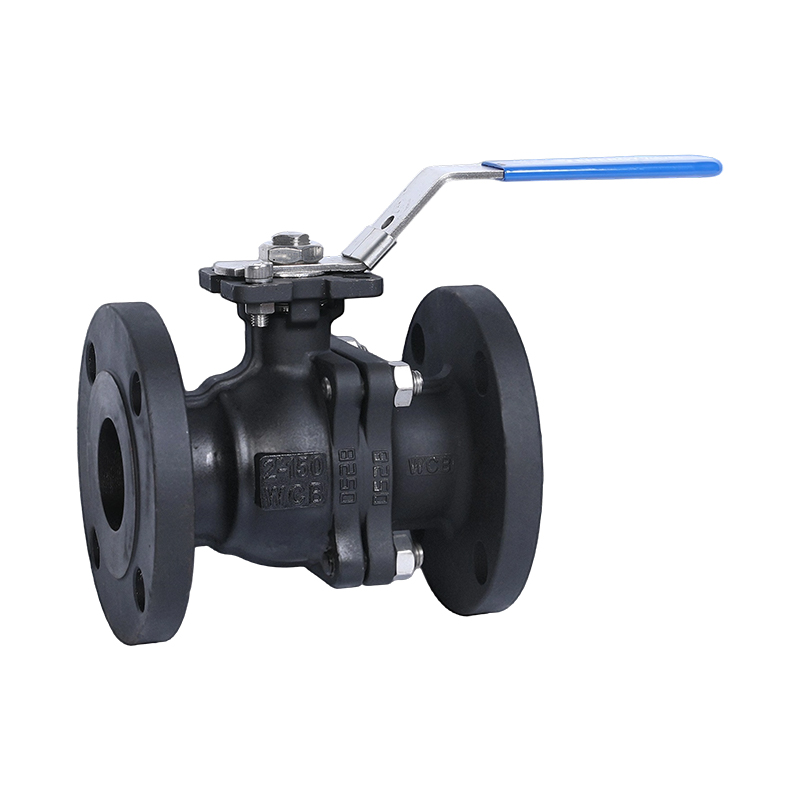
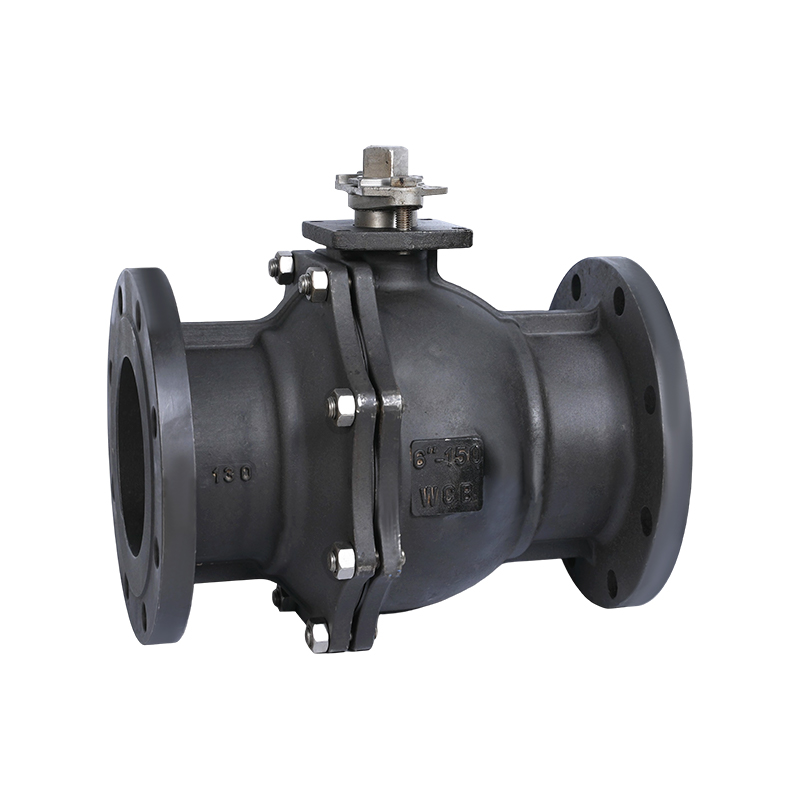
A High Platform Ball Valve is specifically designed to simplify actuator installation and improve alignment accuracy. The elevated mounting platform ensures better compatibility with pneumatic or electric actuators, reducing installation time and operational errors.
This design is particularly valuable in automated production lines, where precision and repeatability are essential. It also allows for easier maintenance and replacement of actuators without modifying the valve body.
Pneumatic Actuation for Efficient Control
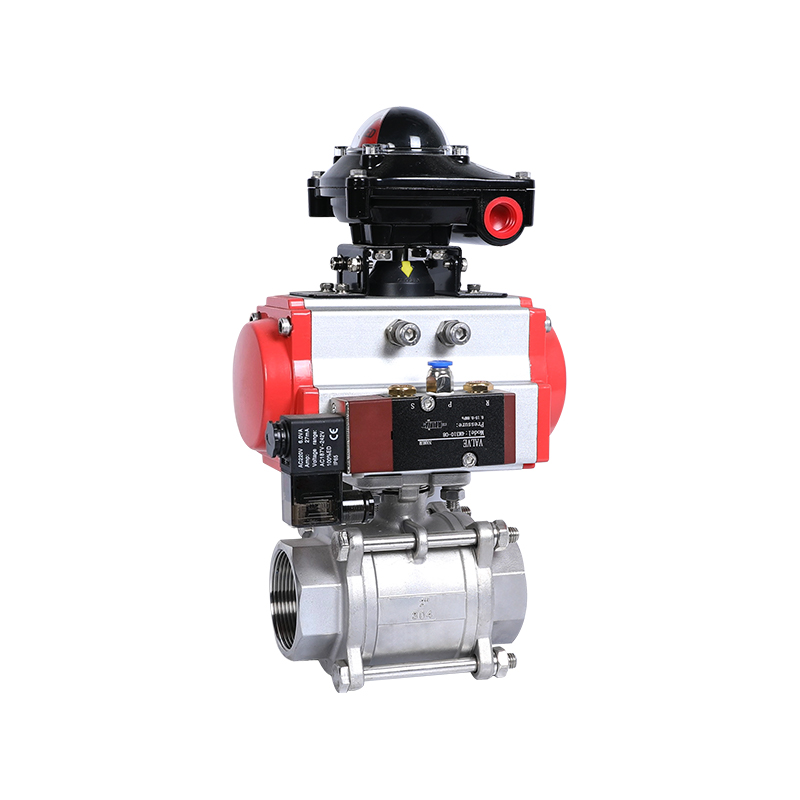
The Pneumatic Ball Valve is widely used in industries requiring rapid and frequent operation. By utilizing compressed air as the driving force, these valves offer quick response times and consistent performance.
They are commonly applied in sectors such as chemical processing, water treatment, food production, and energy systems, where automation and reliability are critical to maintaining productivity.
Material Selection and Technical Specifications
From a manufacturing perspective, material choice plays a key role in ensuring valve performance and longevity. Common materials include stainless steel, carbon steel, and specialized alloys for demanding environments.
Typical specifications may include:
- Pressure ratings suitable for industrial applications
- Temperature resistance for various operating conditions
- Precision-machined ball cores for smooth operation
- Reliable sealing materials to prevent leakage
These features contribute to stable performance across different media and environments.
Key Advantages for Industrial Buyers
For engineers and procurement professionals, selecting the right valve solution involves balancing performance, cost, and long-term reliability. Our valve products offer several practical benefits:
- Smooth operation with low torque requirements
- Strong sealing performance to reduce leakage risks
- Compatibility with automated control systems
- Adaptability to different pipeline configurations
These advantages make them suitable for both new installations and system upgrades.
Application Scenarios Across Industries
Ball valves are used in a wide range of industrial settings. In oil and gas pipelines, they provide reliable shut-off under high pressure. In water treatment facilities, they ensure consistent flow control and system safety.
In manufacturing plants, automated valve systems help streamline processes and improve efficiency. Their versatility makes them a preferred choice for engineers working across different sectors.
Installation and Maintenance Considerations
Proper installation is essential to ensure optimal valve performance. Alignment with pipelines and actuators should be carefully checked to avoid operational issues.
Routine maintenance, such as inspecting seals and cleaning internal components, helps extend service life. For pneumatic systems, maintaining stable air pressure and clean air supply is also important for consistent operation.
Supporting Automation and Smart Manufacturing Trends
With the rise of Industry 4.0 and smart manufacturing, automated valve systems are becoming increasingly important. Pneumatic ball valves, when integrated with control systems, enable remote operation and real-time monitoring.
This capability supports improved process control, reduced manual intervention, and enhanced operational efficiency, aligning with global trends toward digitalized industrial systems.
Reliable Solutions for Modern Flow Control
As industries continue to pursue efficiency, automation, and reliability, advanced valve designs are playing a central role in achieving these goals.
By combining structural innovation with robust materials, solutions such as the High Platform Ball Valve and Pneumatic Ball Valve provide dependable performance for a wide range of industrial applications, helping global buyers optimize their systems and improve operational outcomes.

CONTACT INFO
 [email protected]
[email protected] +86-13857761200
 +86-0577-86566777
 No. 199, Baiyu Road, Binhai Park, Wenzhou, Zhejiang, China.
Copyright© Zhejiang Lizhi Metal Products Technology Co., Ltd. All Rights Reserved.

China Stainless Steel Valves