

Call us: +86-13857761200

Email us:[email protected]
 Get a quote

 EN
EN 
 English
 中文简体
中文简体 Español
 русский
Submit feedback
Industry News
 Home / News / Industry News / Why Are Automated Ball Valves Becoming a Key Component in Industrial Upgrades?
 Why Are Automated Ball Valves Becoming a Key Component in Industrial Upgrades?
 2026.04.24
 Industry News
As industries accelerate toward automation and digital control, fluid management systems are undergoing significant transformation. As a manufacturer specializing in High Platform Ball Valve and Pneumatic Ball Valve, we are seeing a clear shift in global demand toward solutions that support remote operation, system integration, and long-term reliability. For overseas buyers and engineers, upgrading valve systems is no longer optional—it is part of building more efficient and responsive operations.
The Transition from Manual to Automated Flow Control
Traditional manual valves are gradually being replaced by automated alternatives that offer higher precision and consistency. Automated ball valves, particularly pneumatic models, allow for faster response times and reduced human intervention.
This transition is especially important in industries where safety, repeatability, and efficiency are critical. Automated systems minimize operational risks while improving overall process control.
High Platform Design Enhances System Integration
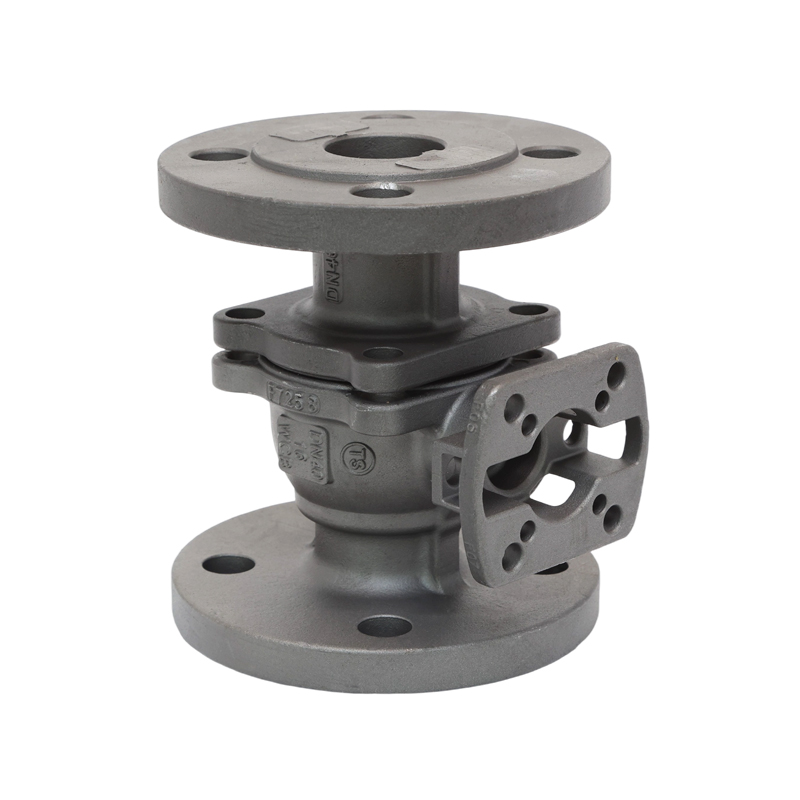
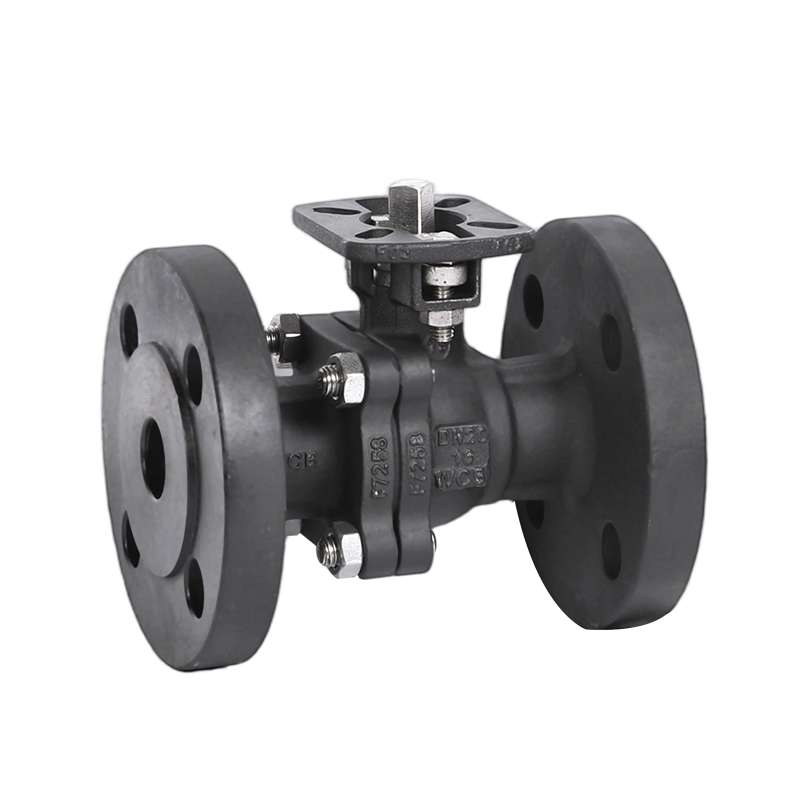
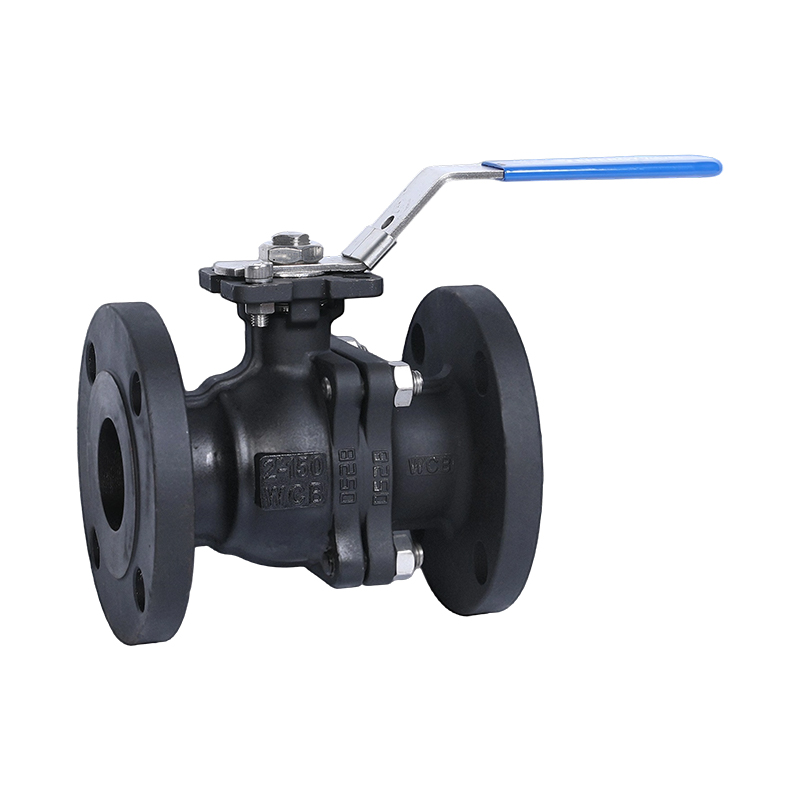
A High Platform Ball Valve is designed to simplify the integration of actuators into existing systems. The standardized mounting platform ensures accurate alignment and compatibility with different actuator types, reducing installation complexity.
For engineering teams, this means less time spent on adjustments and a more streamlined setup process, particularly in large-scale industrial projects.
Pneumatic Valves in High-Frequency Operations
The Pneumatic Ball Valve is particularly suitable for applications requiring frequent opening and closing cycles. Its ability to operate using compressed air ensures consistent performance without relying on electrical power in hazardous environments.
Industries such as chemical processing, pharmaceuticals, and food production benefit from this reliability, especially where continuous operation is required.
Key Technical Features for Reliable Performance
Modern ball valves are engineered to meet the demands of complex industrial systems. Important features include:
- Precision-machined ball cores for smooth rotation
- Durable sealing materials to prevent leakage
- Strong valve bodies designed for pressure resistance
- Actuator compatibility for automated control
These elements work together to ensure stable and efficient performance over time.
Material Selection for Different Media
Selecting the right material is essential for handling different types of media. Stainless steel is commonly used for corrosion resistance, while carbon steel provides strength for high-pressure environments.
For more demanding conditions, special alloys can be used to enhance durability and performance. As a manufacturer, we offer material options tailored to specific application requirements.
Benefits for Global Procurement and Engineering Teams
For buyers and project managers, automated ball valves provide several practical advantages:
- Reduced manual operation and labor costs
- Improved system efficiency and response time
- Compatibility with modern automation systems
- Flexibility for various industrial applications
These benefits contribute to more efficient project execution and long-term operational reliability.
Installation and Maintenance Best Practices
To ensure optimal performance, proper installation is essential. Valves should be aligned correctly with pipelines and actuators to avoid unnecessary stress on components.
Regular maintenance, including inspection of seals and actuator performance, helps prevent unexpected downtime. For pneumatic systems, maintaining clean and stable air supply is critical.
Supporting the Future of Smart Industry
As smart manufacturing continues to evolve, automated valves are becoming integral to connected systems. By integrating with sensors and control platforms, pneumatic valves enable real-time monitoring and remote operation.
This supports data-driven decision-making and helps industries achieve higher levels of efficiency and control.
A Strategic Upgrade for Industrial Systems
As automation becomes a defining trend in industrial development, upgrading to advanced valve solutions is a strategic move for many businesses.
With reliable design and strong compatibility, the High Platform Ball Valve and Pneumatic Ball Valve provide the performance and flexibility needed to support modern industrial systems, helping global buyers enhance efficiency and maintain competitive operations.

CONTACT INFO
 [email protected]
[email protected] +86-13857761200
 +86-0577-86566777
 No. 199, Baiyu Road, Binhai Park, Wenzhou, Zhejiang, China.
Copyright© Zhejiang Lizhi Metal Products Technology Co., Ltd. All Rights Reserved.

China Stainless Steel Valves