

Call us: +86-13857761200

Email us:[email protected]
 Get a quote

 EN
EN 
 English
 中文简体
中文简体 Español
 русский
Submit feedback
Industry News

Why Are Manufacturers Turning to Advanced Casting Technologies?
 2026.03.06
 Industry News
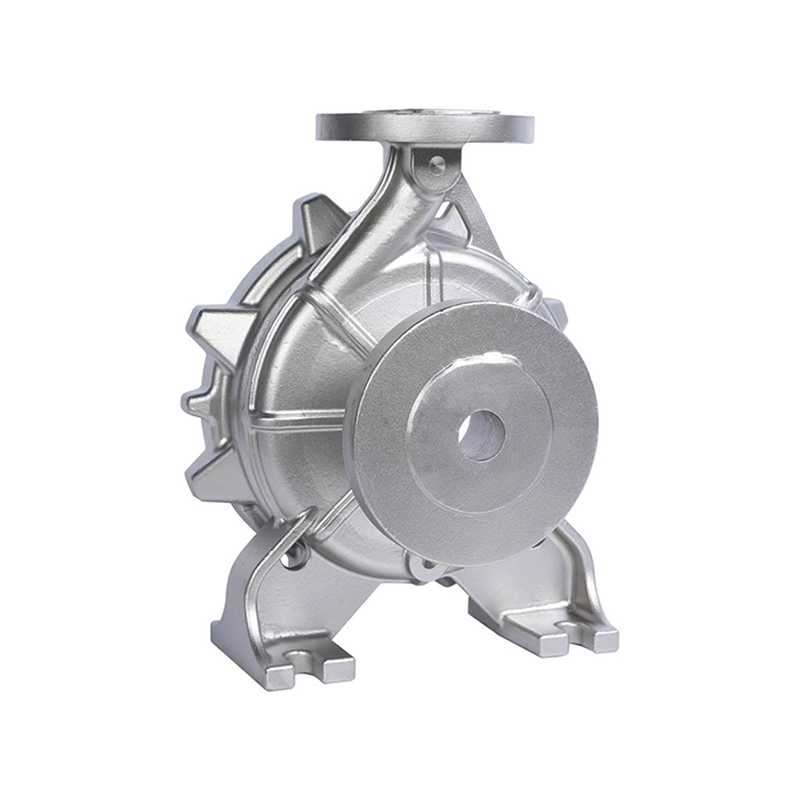
In today’s evolving manufacturing landscape, precision and material performance are becoming increasingly important. Industries such as automotive, energy, construction, and industrial equipment are constantly searching for production methods that provide reliability while supporting complex component design. Among the technologies gaining significant attention worldwide is Stainless Steel Precision Casting, a manufacturing solution known for its ability to produce intricate parts with stable structural quality. When combined with modern Silica Sol Casting processes, manufacturers can deliver refined surfaces and accurate shapes that meet the expectations of global markets.
Growing Demand for High-Precision Metal Components
Across international markets, the demand for precision metal components continues to grow. Industrial equipment is becoming more advanced, and mechanical systems often require components that fit together with tight tolerances.
Traditional machining methods may require multiple production steps to achieve these results. In contrast, modern casting technologies allow manufacturers to produce complex geometries in a single process. This efficiency has drawn the attention of equipment manufacturers looking to streamline production without compromising component integrity.
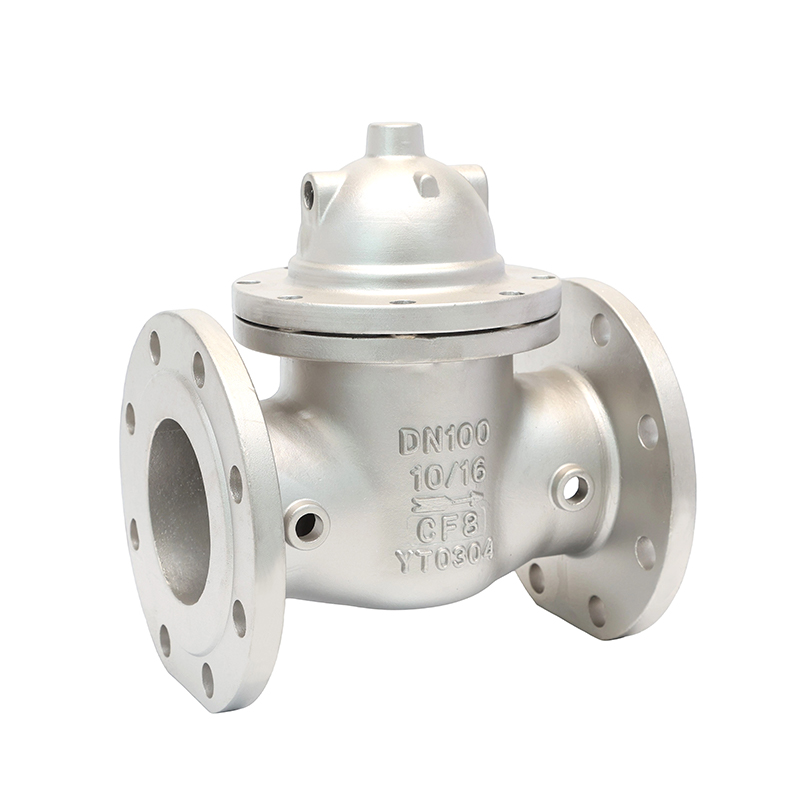
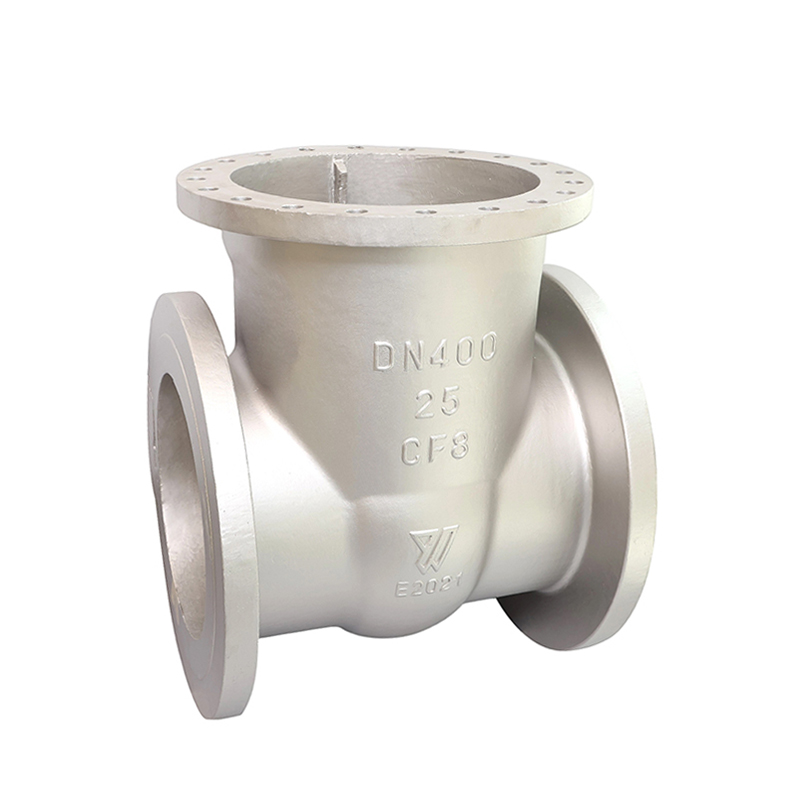
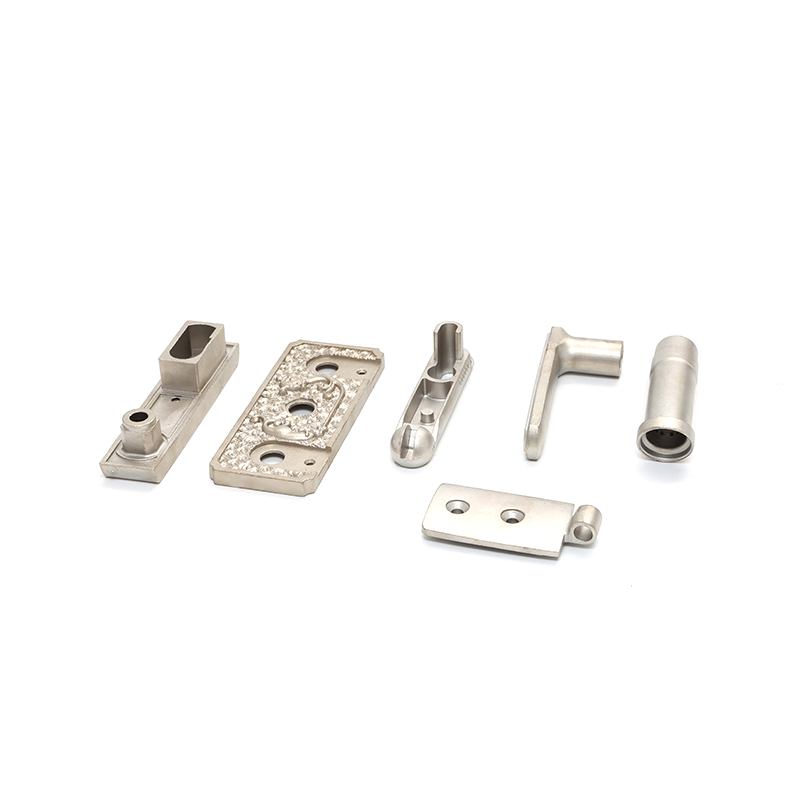
As a result, precision casting techniques are now widely used in industries ranging from pumps and valves to machinery parts and hardware components.
How Silica Sol Casting Enhances Product Quality
Silica sol technology has become an important development in the field of investment casting. This process uses a specialized binder system that helps form stronger and more stable ceramic shells during mold creation.
The advantages of this technique include improved surface quality and consistent dimensional control. These features are particularly valuable for parts that require minimal finishing after casting.
Because of these characteristics, many manufacturers prefer Silica Sol Casting when producing stainless steel components that must meet demanding industrial requirements.
Why Stainless Steel Remains a Popular Casting Material
Stainless steel continues to be widely used in manufacturing due to its balanced performance characteristics. It offers corrosion resistance, structural durability, and compatibility with many industrial environments.
These qualities make stainless steel components suitable for applications that involve moisture exposure, chemical contact, or varying temperatures. In addition, stainless steel allows manufacturers to produce components with a clean and professional appearance.
For companies seeking long-lasting mechanical parts, stainless steel casting offers a practical solution that combines durability with design flexibility.
Key Advantages That Global Buyers Look For
International buyers often evaluate casting suppliers based on several important capabilities. Manufacturers who can demonstrate technical expertise and consistent quality tend to stand out in competitive markets.
Common factors buyers pay attention to include:
- Stable dimensional accuracy for complex parts
- Smooth surface finishing that reduces additional processing
- Reliable material composition control
- Flexible customization for different industrial applications
- Consistent production management and inspection standards
These aspects help ensure that the final product performs as expected once integrated into larger mechanical systems.
The Importance of Manufacturing Experience
From a manufacturing perspective, precision casting is not only about technology but also about process management. Skilled engineers, quality inspection procedures, and advanced equipment all contribute to achieving stable production results.
Experienced casting manufacturers understand how to optimize mold design, pouring temperature, and finishing processes to achieve reliable outcomes. This accumulated expertise helps ensure that each batch of components meets the expectations of international customers.
By continuously refining production processes, manufacturers are able to deliver casting solutions that support modern industrial development.
Supporting Sustainable and Efficient Manufacturing
Sustainability is also becoming an important topic across global manufacturing discussions. Precision casting techniques allow producers to reduce unnecessary material waste while improving overall production efficiency.
By producing near-net-shape components, manufacturers can reduce excessive machining and material removal. This approach helps support environmentally conscious manufacturing practices while maintaining industrial performance standards.
As industries continue to evolve, efficient production technologies will play an important role in shaping future manufacturing strategies.
A Reliable Solution for Modern Industrial Applications
Precision casting continues to prove its value in a wide range of industrial applications. With its ability to produce detailed shapes and maintain material strength, it remains an important production method for modern engineering.
For global buyers searching for dependable component manufacturing solutions, combining Stainless Steel Precision Casting technology with advanced Silica Sol Casting processes offers a practical approach to producing durable, high-quality metal parts suitable for diverse industrial environments.

CONTACT INFO
 [email protected]
[email protected] +86-13857761200
 +86-0577-86566777
 No. 199, Baiyu Road, Binhai Park, Wenzhou, Zhejiang, China.
Copyright© Zhejiang Lizhi Metal Products Technology Co., Ltd. All Rights Reserved.

China Stainless Steel Valves