

Call us: +86-13857761200

Email us:[email protected]
 Get a quote

 EN
EN 
 English
 中文简体
中文简体 Español
 русский
Submit feedback
Industry News

Lost Wax Investment Casting Applications
 2026.01.02
 Industry News
Lost Wax Investment Casting is a precision metal casting method that allows manufacturers to produce highly detailed, near-net-shape components. Unlike traditional casting, it relies on creating a wax model of the final part, coating it with a ceramic shell, and then melting the wax away to leave a mold ready for molten metal. This careful sequence ensures parts have fine details, smooth surfaces, and minimal machining needs.
How the Process Works
- Wax Pattern Creation – A detailed wax replica of the part is made, either by injection molding or 3D printing. The wax must be precise because every surface feature will be reflected in the final casting.
- Assembly of Wax Patterns – Small or intricate parts are often attached to a central wax “tree” to allow multiple pieces to be cast simultaneously.
- Ceramic Shell Coating – The wax assembly is dipped repeatedly into a silica-based slurry and coated with fine refractory sand. Each layer hardens, creating a strong, heat-resistant shell.
- Wax Removal – The shell is heated to melt the wax out, leaving a hollow cavity in the exact shape of the intended part.
- Metal Pouring – Molten metal (stainless steel, nickel alloys, or specialty metals) is poured into the shell under gravity or vacuum.
- Shell Removal & Finishing – Once the metal cools and solidifies, the ceramic shell is broken away. Parts are cut from the casting tree, then undergo minimal finishing such as trimming or light polishing.
This step-by-step process gives parts exceptional accuracy, often within ±0.1 mm, and surface roughness around 1.5–3.0 μm.
Advantages in Practical Applications
- Complex Geometries – Internal channels, thin walls (down to 0.5 mm), and intricate features are achievable without secondary machining.
- Material Flexibility – Supports stainless steel, aluminum, nickel superalloys, and specialty alloys for high-temperature, corrosion-resistant, or biocompatible parts.
- Reduced Waste – Near-net-shape casting minimizes scrap compared to machining from solid blocks.
- Batch Efficiency – Wax trees allow multiple small components to be cast simultaneously, lowering production time and costs.
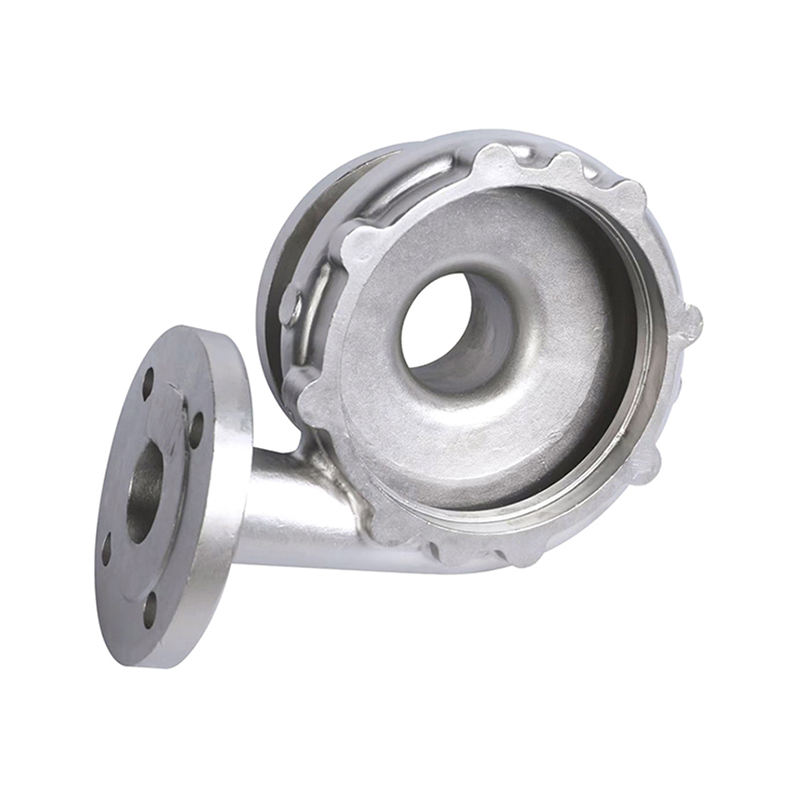
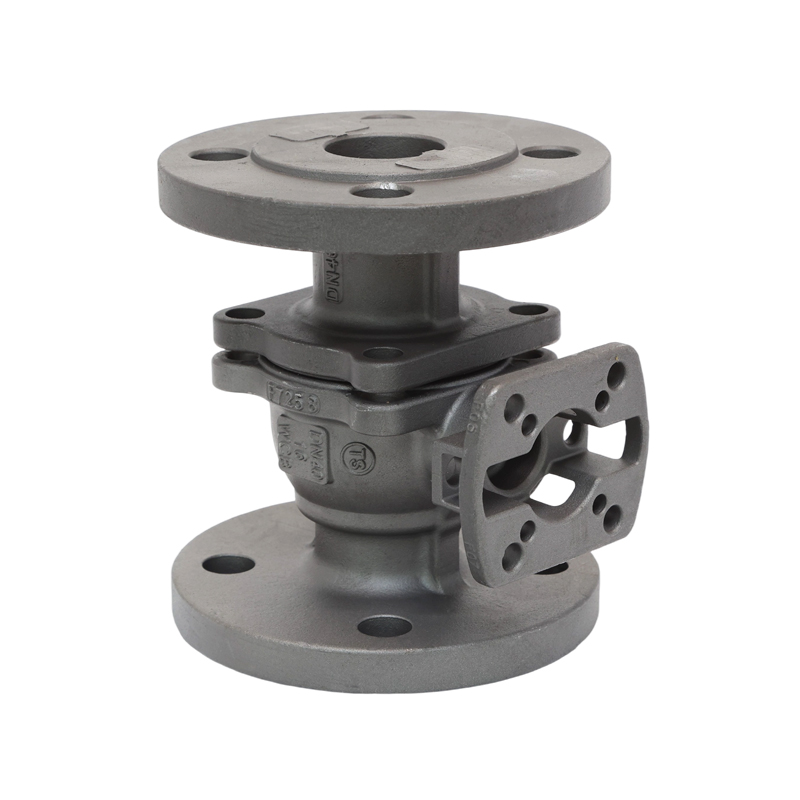
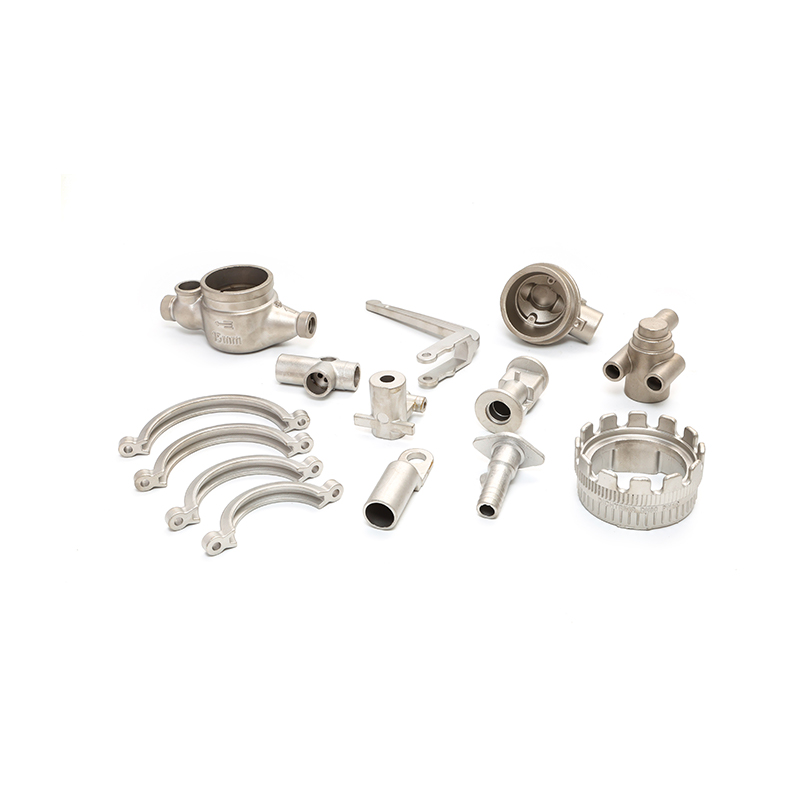
Examples of real-world applications: aerospace turbine vanes with internal cooling channels, surgical implants requiring smooth surfaces and precise geometry, and pump housings for chemical plants that need corrosion-resistant alloys.
Buyer Considerations
- Design Clarity – CAD models must accurately reflect wall thickness, fillets, and tolerances.
- Tolerance & Finish Requirements – Specify surface roughness and critical dimensions to ensure the casting process meets part functionality.
- Post-processing – Although minimal, some functional surfaces may need light machining or polishing.
- Production Volume – Efficient for low to medium-volume runs, balancing cost and precision.
FAQ
Q: Why choose Lost Wax Investment Casting instead of sand casting?
A: It allows fine detail, smooth surfaces, and near-net shape production, reducing machining needs and material waste.
Q: Can parts withstand harsh environments?
A: Yes. Properly cast parts in stainless steel or nickel alloys can resist high temperatures, corrosion, and mechanical stress.
Q: Is this suitable for very small or intricate components?
A: Absolutely. Wax patterns can capture sub-millimeter details, allowing highly precise micro-components for medical or aerospace use.
Q: How does it save material and cost?
A: By producing near-net shapes and enabling multiple parts per wax tree, scrap and machining time are greatly reduced.
For engineers and manufacturers seeking precision, durability, and complex shapes, Lost Wax Investment Casting provides a unique combination of accuracy, surface quality, and efficiency. Its detailed process ensures components meet strict tolerances, making it ideal for aerospace, automotive, medical, and industrial applications.

CONTACT INFO
 [email protected]
[email protected] +86-13857761200
 +86-0577-86566777
 No. 199, Baiyu Road, Binhai Park, Wenzhou, Zhejiang, China.
Copyright© Zhejiang Lizhi Metal Products Technology Co., Ltd. All Rights Reserved.

China Stainless Steel Valves