

Call us: +86-13857761200

Email us:[email protected]
 Get a quote

 EN
EN 
 English
 中文简体
中文简体 Español
 русский
Submit feedback
Industry News

High Platform Ball Valve Applications in Industry
 2026.01.09
 Industry News
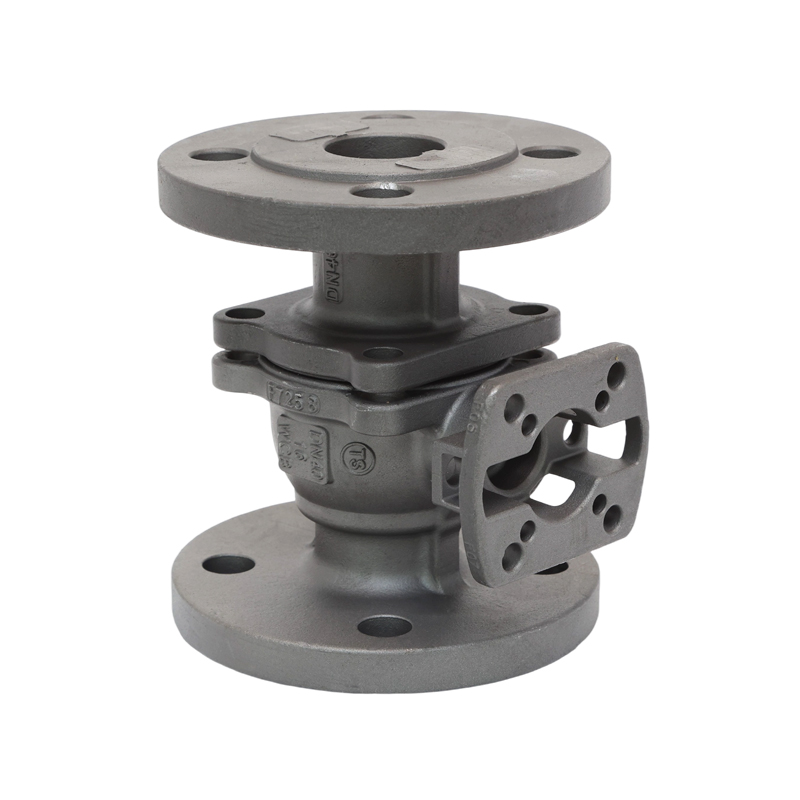
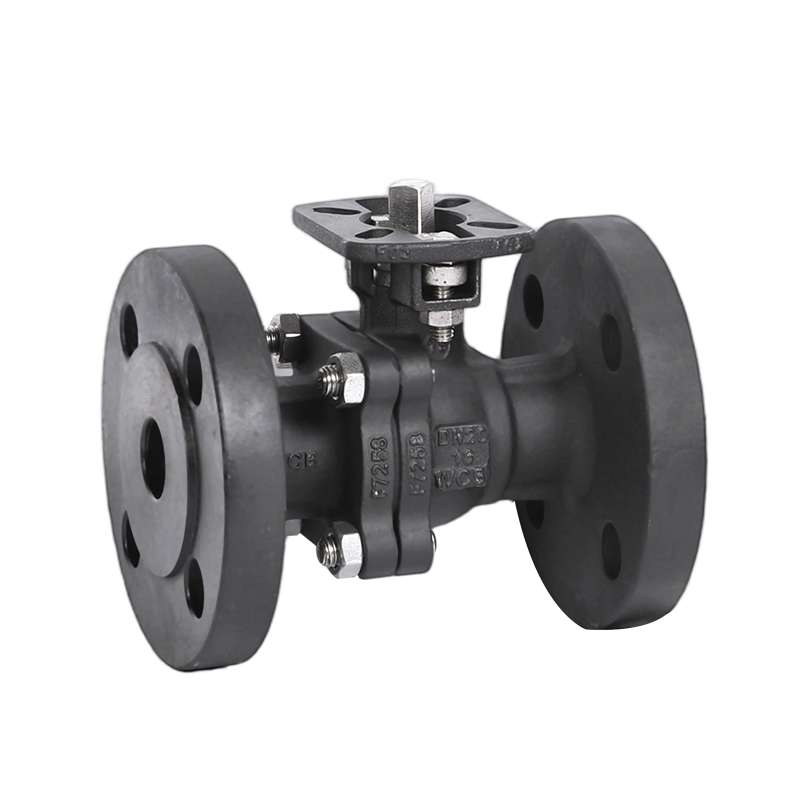
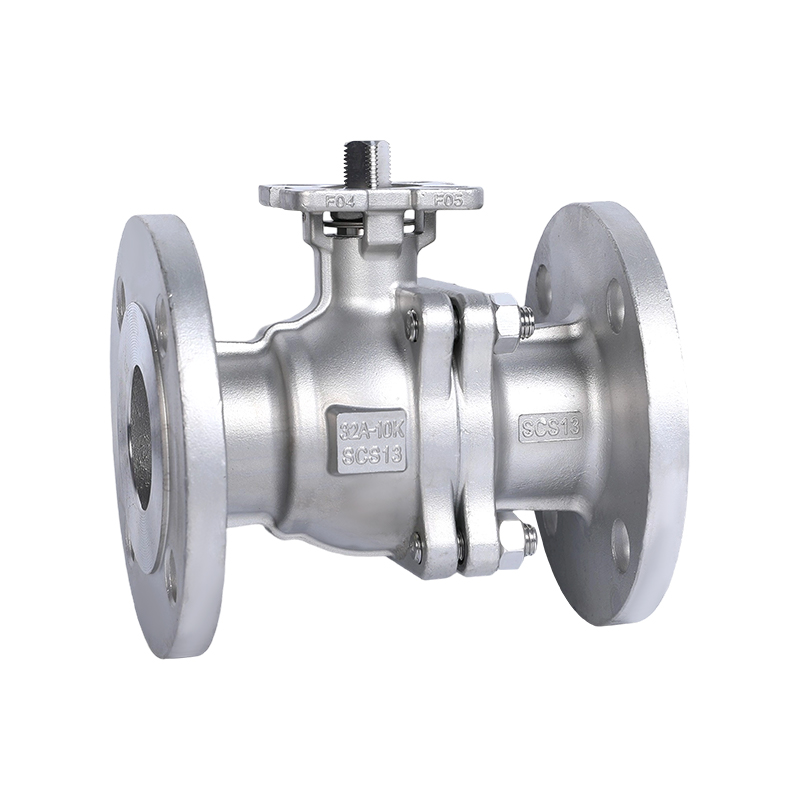
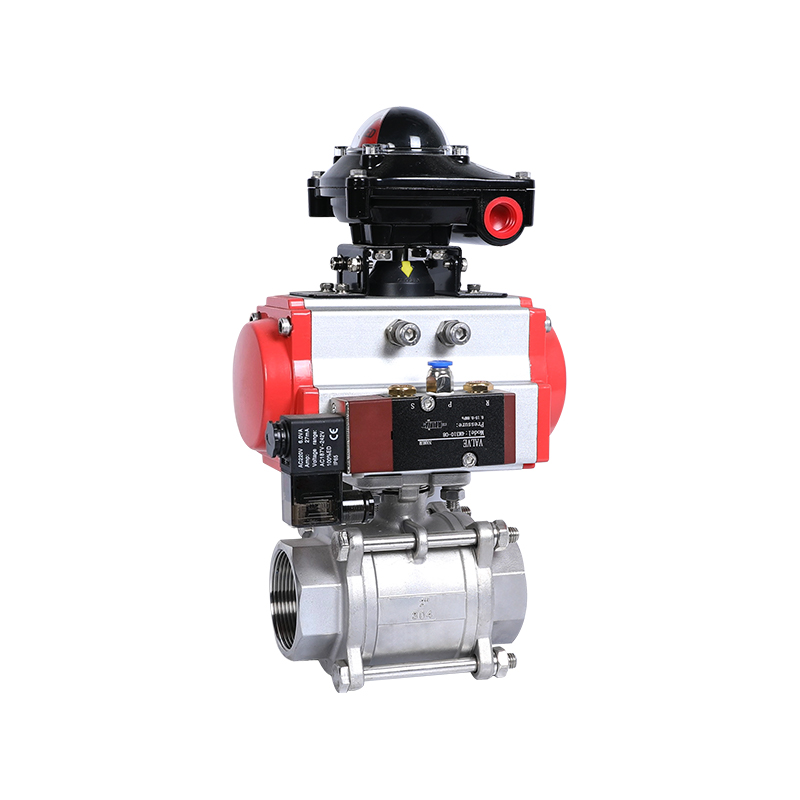
High platform ball valves, characterized by an integrated mounting pad, have become widely used in industrial fluid systems. Unlike standard ball valves that require additional brackets to attach actuators, high platform designs allow actuators to be mounted directly on the valve body. This design simplifies installation, improves stability, and supports electric, pneumatic, or hydraulic automation. The mounting pad often follows ISO 5211 standards, making it compatible with a wide range of actuator types.
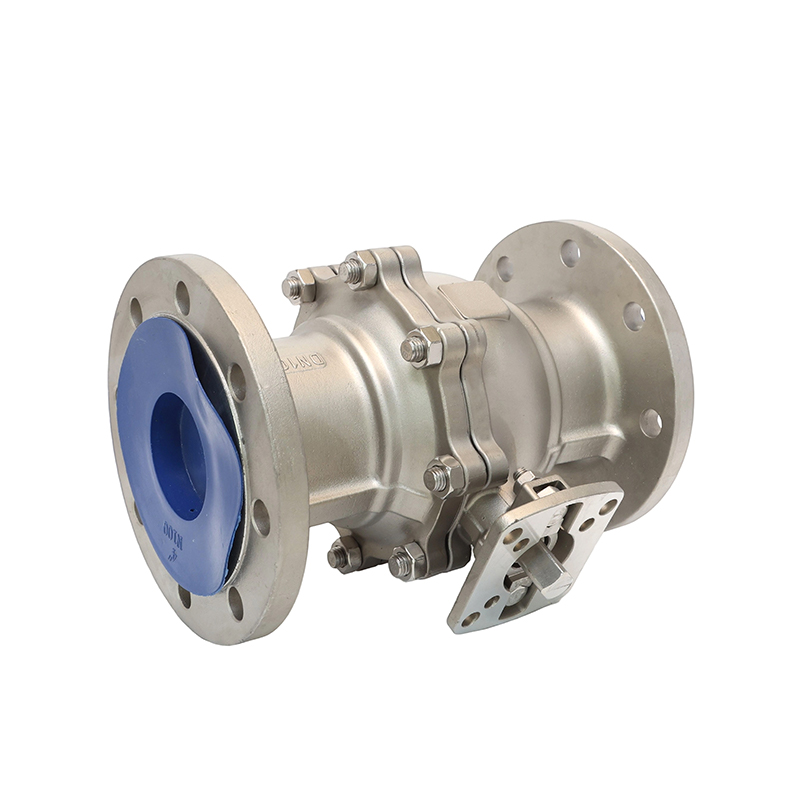
These valves are available in sizes from ½ inch to 12 inches, and pressure ratings can reach up to 2000 PSI. They are commonly made from stainless steel, such as grades 304 and 316, or high‑strength carbon steel, with seats and seals made of materials like PTFE for corrosion resistance and reliable sealing. Valves are tested according to industry standards to ensure durability and performance in demanding applications.
Efficient Automation Integration
One of the main advantages of high platform ball valves is their compatibility with automation systems. The standardized mounting pad eliminates the need for custom brackets or adapters, allowing actuators to be installed quickly and securely. This facilitates precise quarter‑turn operations essential for remote control, process monitoring, and automated feedback loops.
Some high platform ball valves feature a three-piece body design, which allows maintenance without disconnecting the valve from the pipeline. Internal components such as seats, stems, or the ball itself can be accessed and serviced efficiently, reducing downtime and operational costs.
Industrial Applications
High platform ball valves are widely used in the petrochemical, water treatment, natural gas, and power generation sectors. In petrochemical systems, corrosion-resistant materials and high-pressure ratings ensure safe and reliable flow control. In municipal water and wastewater facilities, these valves help automate flow distribution and isolation functions while reducing the need for manual operation.
Additionally, these valves are often deployed in chemical processing, food and beverage production, and HVAC systems, where precise flow control and durability are essential. Their robust design supports frequent cycling and extended service life, while compatibility with various actuator types enhances operational flexibility. Valves can be designed to handle temperatures from sub-zero to several hundred degrees Celsius, depending on material selection and seal type. This allows them to perform in both low-temperature cryogenic applications and high-temperature steam systems.
Data in Practice
- Mounting standards: ISO 5211 pads are available for valves up to 12 inches and pressures up to 2000 PSI.
- Material options: Stainless steel grades like 304 and 316 are commonly used; high-alloy steels are available for more aggressive media.
- Testing: Valves are often verified for structural integrity and sealing performance according to industry norms.
Frequently Asked Questions
Q1: What does “high platform” mean?
It refers to the built-in mounting pad that allows direct actuator attachment, simplifying automation.
Q2: Why is ISO 5211 important?
It standardizes the mounting pad pattern so actuators from different manufacturers can fit without custom adapters.
Q3: Can these valves work with electric actuators?
Yes, they are designed for easy integration with electric, pneumatic, or hydraulic actuators for automated control.
Q4: Are they suitable for high-pressure systems?
Many high platform ball valves are rated for high pressures, including up to 2000 PSI in industrial applications.
Q5: Which industries use them most?
Common applications include petrochemical processing, municipal water treatment, oil and gas pipelines, and power generation, where automation and reliable shutoff are required.

CONTACT INFO
 [email protected]
[email protected] +86-13857761200
 +86-0577-86566777
 No. 199, Baiyu Road, Binhai Park, Wenzhou, Zhejiang, China.
Copyright© Zhejiang Lizhi Metal Products Technology Co., Ltd. All Rights Reserved.

China Stainless Steel Valves