

Call us: +86-13857761200

Email us:[email protected]
 Get a quote

 EN
EN 
 English
 中文简体
中文简体 Español
 русский
Submit feedback
Industry News

How Do Pneumatic Ball Valves Improve Industrial Systems?
 2026.01.16
 Industry News
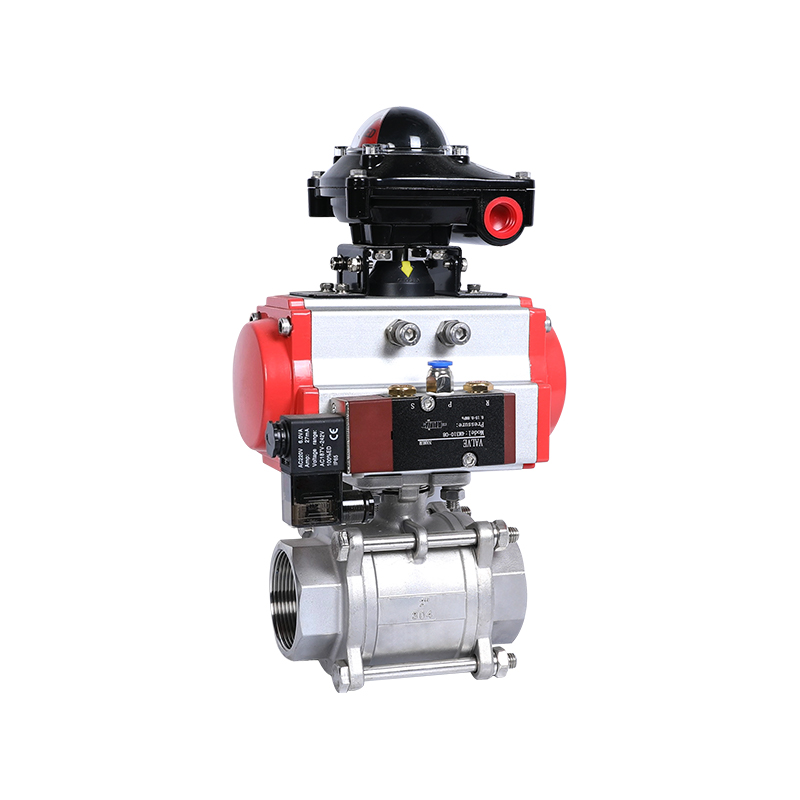
The Pneumatic Ball Valve has become an essential component in many industrial systems, offering precise control over fluid flow and helping plants operate more efficiently. These valves use compressed air to rotate a ball inside the valve body, allowing for fast and reliable opening or closing. They are commonly found in manufacturing, chemical processing, water treatment, and power generation, where automated fluid control is critical.
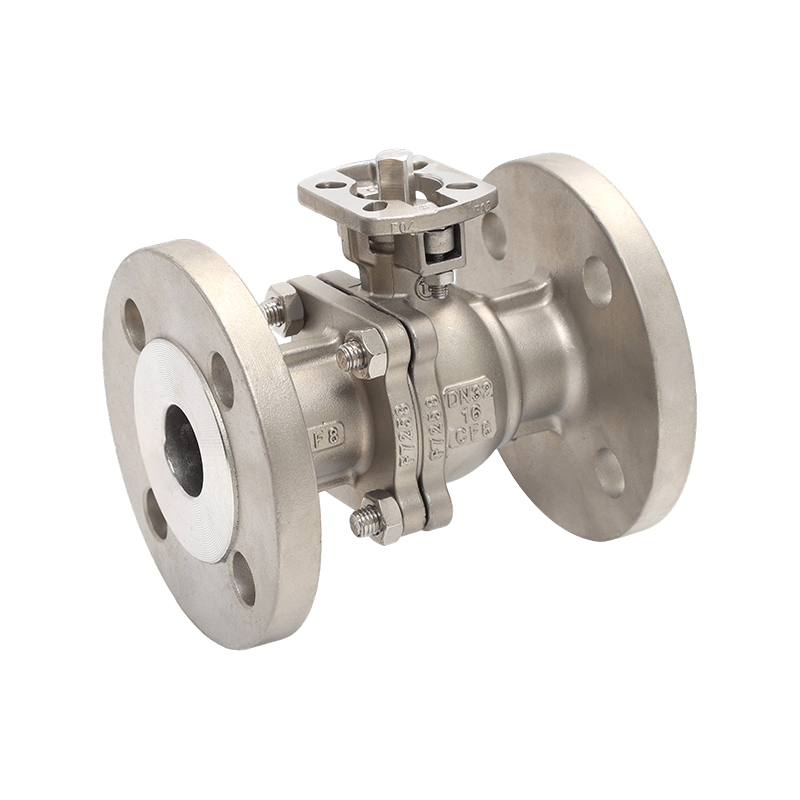
One of the main advantages of pneumatic ball valves is their compatibility with automated control systems. They can be integrated into centralized platforms to monitor valve position, detect leaks, and adjust operations without manual intervention. This capability helps reduce downtime and allows maintenance teams to address issues before they escalate, ensuring continuous operation in complex industrial environments.
Pneumatic ball valves come in a variety of designs to suit different applications. Single-acting valves use a spring to return the valve to its default position when air pressure is removed, while double-acting valves rely on air for both opening and closing. Multi-port options allow for fluid diversion or mixing, making these valves versatile tools in pipelines that handle diverse materials. High-pressure and sanitary designs further expand their suitability for demanding industrial or hygienic environments.
Another notable aspect is their contribution to safety and system reliability. Pneumatic ball valves can provide rapid shut-off in emergency situations, protecting both equipment and personnel. In water treatment plants, they control flows to prevent overflow or contamination. In chemical plants, they isolate sections of pipelines during maintenance or process changes, helping prevent accidents and reduce operational risk. Their fast response time and robust construction make them a dependable choice for high-demand operations.
The application of pneumatic ball valves also extends to energy management. By enabling precise control of steam, water, or other fluids, these valves help systems operate efficiently, reducing waste and improving overall process control. Operators can rely on them to maintain consistent pressure and flow rates, even in complex networks with multiple interconnected valves.
Industries continue to focus on efficient, safe, and automated operations, making the Pneumatic Ball Valve a central technology in modern systems. Its combination of speed, reliability, and adaptability allows it to handle a wide range of pressures and flow rates. Many facilities depend on these valves for critical control tasks, precise fluid management, and maintaining consistent performance across complex pipelines. Durability under harsh conditions and compatibility with automation platforms further enhance its value across different industrial sectors.
FAQ
Q1. What is a pneumatic ball valve?
It is a valve that uses compressed air to rotate a ball inside, controlling the start or stop of fluid flow.
Q2. Where are pneumatic ball valves commonly used?
They are used in chemical plants, water treatment facilities, power plants, and manufacturing systems for automated fluid control.
Q3. How do they improve system reliability?
They allow fast shut-off, remote monitoring, and reduced downtime by providing consistent performance in critical operations.
Q4. What types of pneumatic ball valves exist?
Single-acting (spring return) and double-acting (air powered both ways) valves, including multi-port and high-pressure versions.
Q5. Why are they favored in industrial automation?
They integrate easily with control systems, provide quick response, and reduce the need for manual operation, improving overall process efficiency.

CONTACT INFO
 [email protected]
[email protected] +86-13857761200
 +86-0577-86566777
 No. 199, Baiyu Road, Binhai Park, Wenzhou, Zhejiang, China.
Copyright© Zhejiang Lizhi Metal Products Technology Co., Ltd. All Rights Reserved.

China Stainless Steel Valves