

Call us: +86-13857761200

Email us:[email protected]
 Get a quote

 EN
EN 
 English
 中文简体
中文简体 Español
 русский
Submit feedback
Industry News

Why Choose Flanged Ball Valve?
 2026.01.23
 Industry News
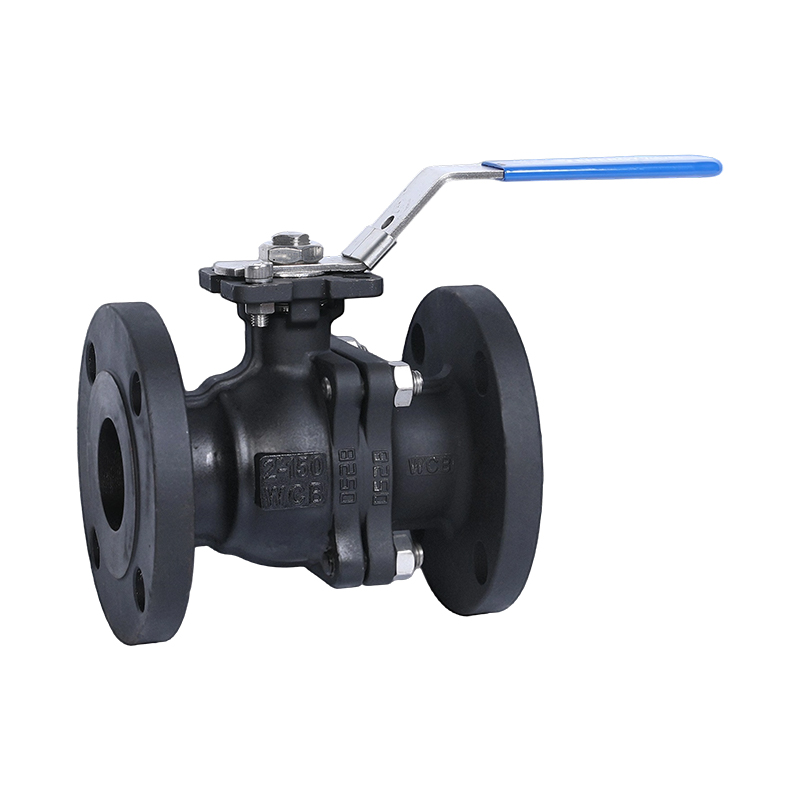
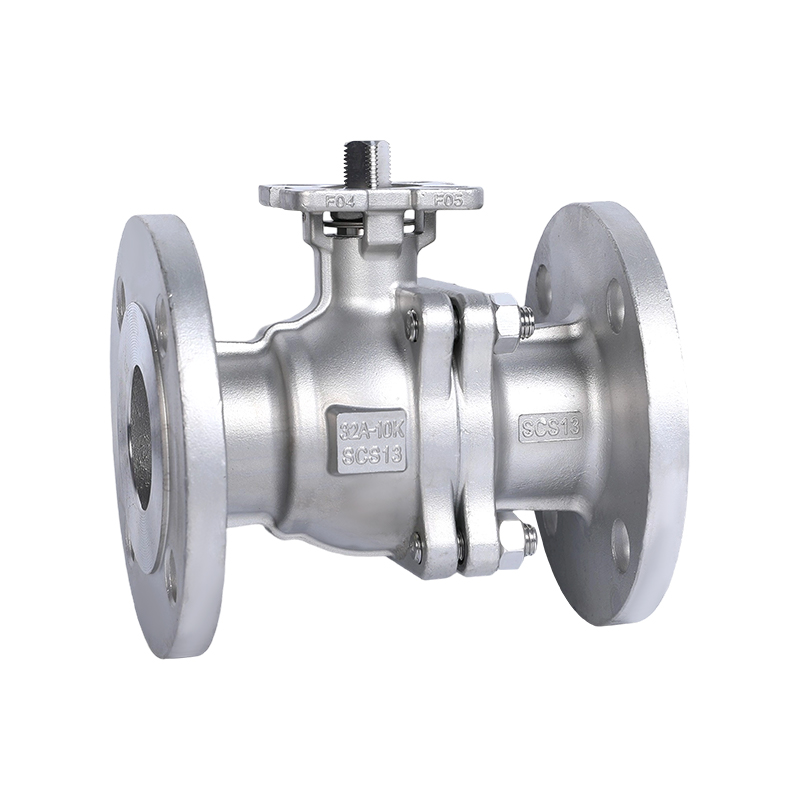
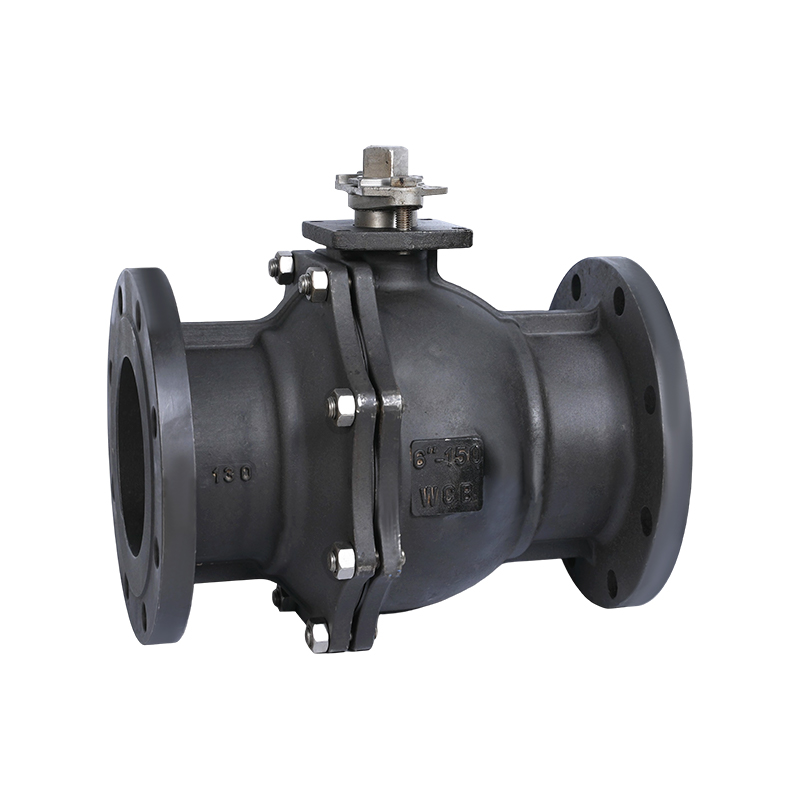
The Flanged Ball Valve is a widely used component in industrial piping systems, providing a reliable method for controlling fluid flow. Designed with a quarter-turn ball mechanism and flanged connections, these valves are valued for their ability to offer tight shutoff, low maintenance, and long service life. Their design allows for quick operation, whether handled manually or through actuators, making them suitable for various industries, including chemical processing, water treatment, and energy production.
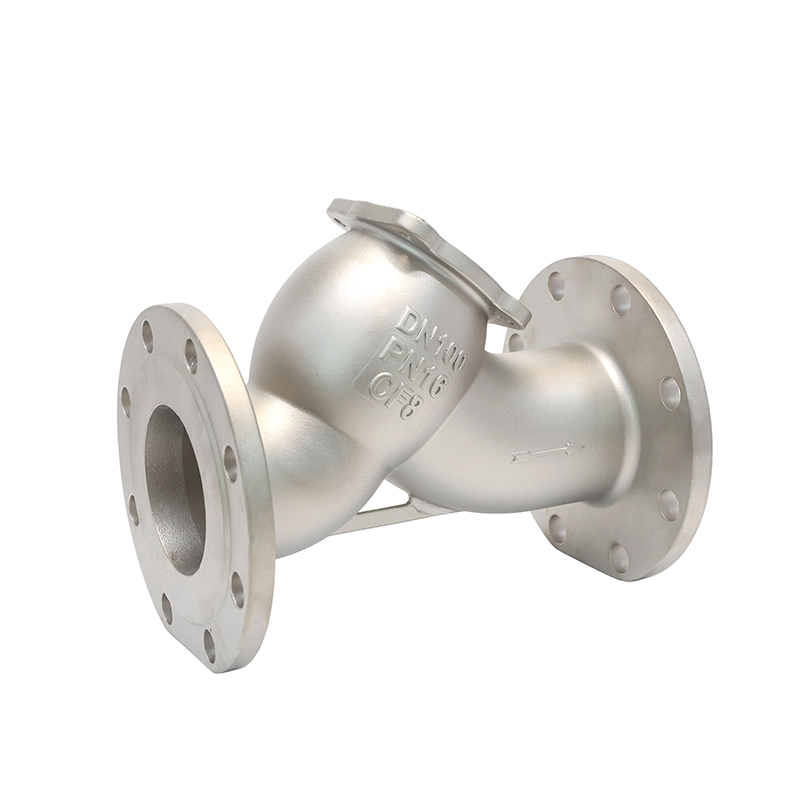
One of the main advantages of flanged ball valves is their durability under challenging conditions. They are often made from stainless steel or other corrosion-resistant materials, which allows them to handle aggressive fluids and maintain integrity over time. Many industrial systems require valves that can operate at high pressures or elevated temperatures, and the flanged ball valve’s robust design meets these needs.
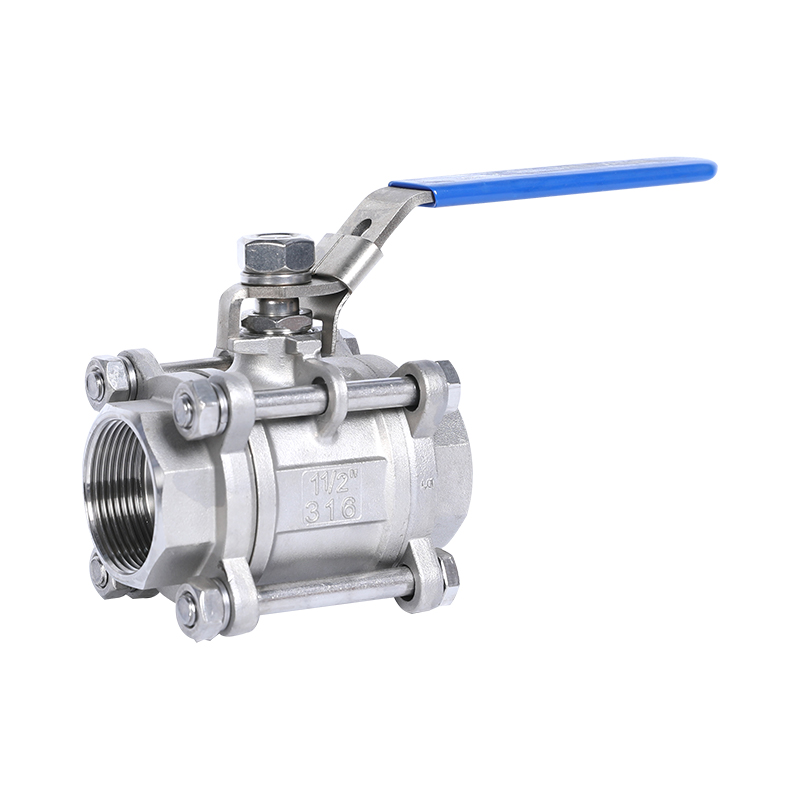
Flanged ball valves come in multiple configurations, such as two-way, three-way, or full-port designs. Two-way valves are commonly used for straightforward on-off control, while three-way valves can manage flow direction or allow for mixing and diverting applications. Full-port valves maintain the same diameter through the valve body, reducing pressure drop and enabling smoother flow. These variations make flanged ball valves versatile for different piping arrangements and operational requirements.
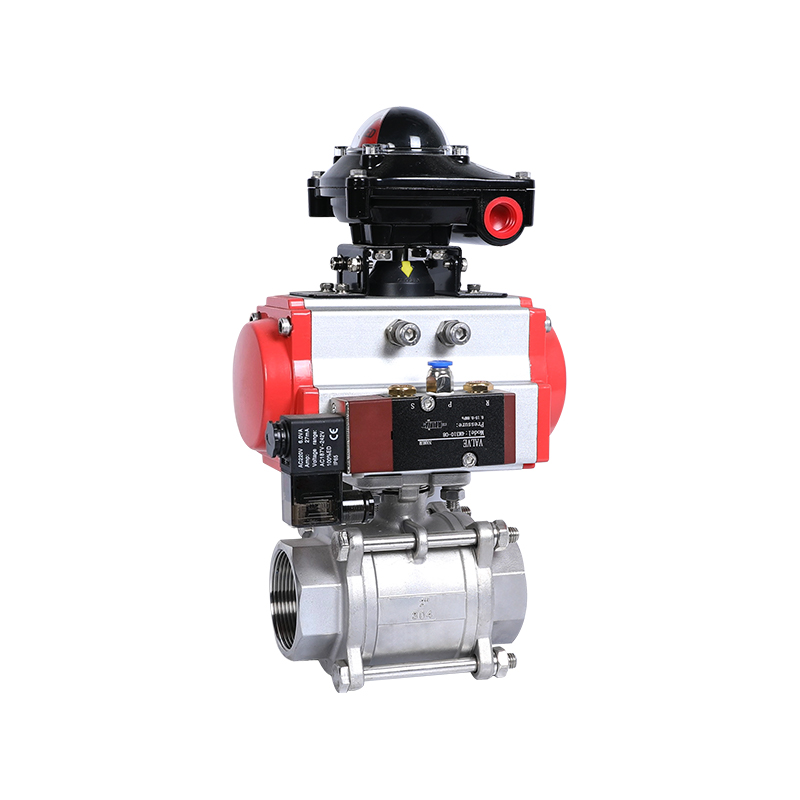
Automation is another area where flanged ball valves demonstrate their flexibility. While manual operation is sufficient for smaller pipelines, larger or remote systems often integrate pneumatic or electric actuators. This allows operators to control valves from a distance, respond quickly to process changes, and maintain consistent performance without the need for frequent manual intervention. The ability to combine flanged ball valves with actuators ensures both efficiency and safety in complex operations.
Installation and maintenance are simplified by the flanged connection type. Flanges provide a secure attachment to pipelines and allow for easy disassembly when repairs or inspections are needed. This is particularly important in large-scale industrial systems where access can be limited. The standardized flange dimensions also make it easier to replace valves without requiring extensive modifications to the piping.
Applications for flanged ball valves are extensive. They are used in municipal water systems, power plants, chemical processing facilities, and oil and gas pipelines. In each of these contexts, their quick operation, reliable sealing, and adaptability to automation make them a dependable choice for operators and engineers.
Frequently Asked Questions
Q1: What is a flanged ball valve used for?
It is used to control the flow of liquids or gases in pipelines, providing on-off or flow-diverting capabilities.
Q2: Why is stainless steel commonly used?
Stainless steel offers durability and resistance to corrosion, ensuring reliable performance in harsh environments.
Q3: What types of flanged ball valves are available?
They include two-way, three-way, and full-port designs, each suited for different flow control needs.
Q4: Can flanged ball valves be automated?
Yes, they can be operated manually or connected to pneumatic or electric actuators for remote control.
Q5: How does the flange connection help?
Flanged connections provide a secure attachment and simplify maintenance and valve replacement.
The Flanged Ball Valve continues to be a trusted solution for efficient and safe fluid control across industries, combining durability, versatility, and ease of operation.

CONTACT INFO
 [email protected]
[email protected] +86-13857761200
 +86-0577-86566777
 No. 199, Baiyu Road, Binhai Park, Wenzhou, Zhejiang, China.
Copyright© Zhejiang Lizhi Metal Products Technology Co., Ltd. All Rights Reserved.

China Stainless Steel Valves