

Call us: +86-13857761200

Email us:[email protected]
 Get a quote

 EN
EN 
 English
 中文简体
中文简体 Español
 русский
Submit feedback
Industry News

Stainless Steel Ball Valve Applications
 2026.01.30
 Industry News
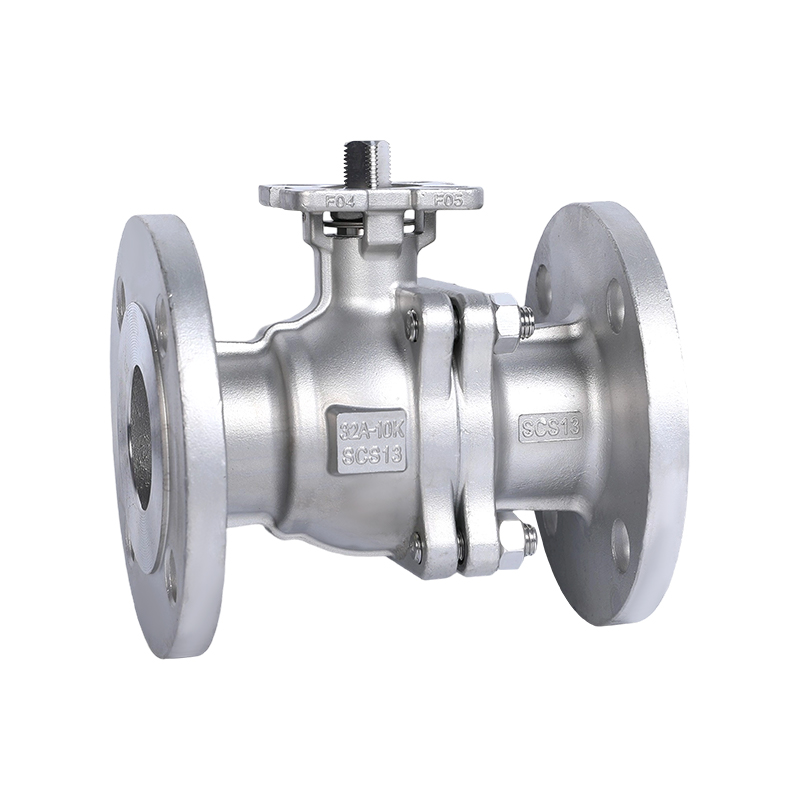
The Stainless Steel Ball Valve is a common solution for fluid control in many industrial and sanitary applications. Its design combines a spherical closure element with a full port or reduced port, providing reliable shut-off and easy operation. Stainless steel construction makes these valves resistant to corrosion, high temperatures, and pressure, making them suitable for water systems, chemical pipelines, food processing, and pharmaceutical environments.
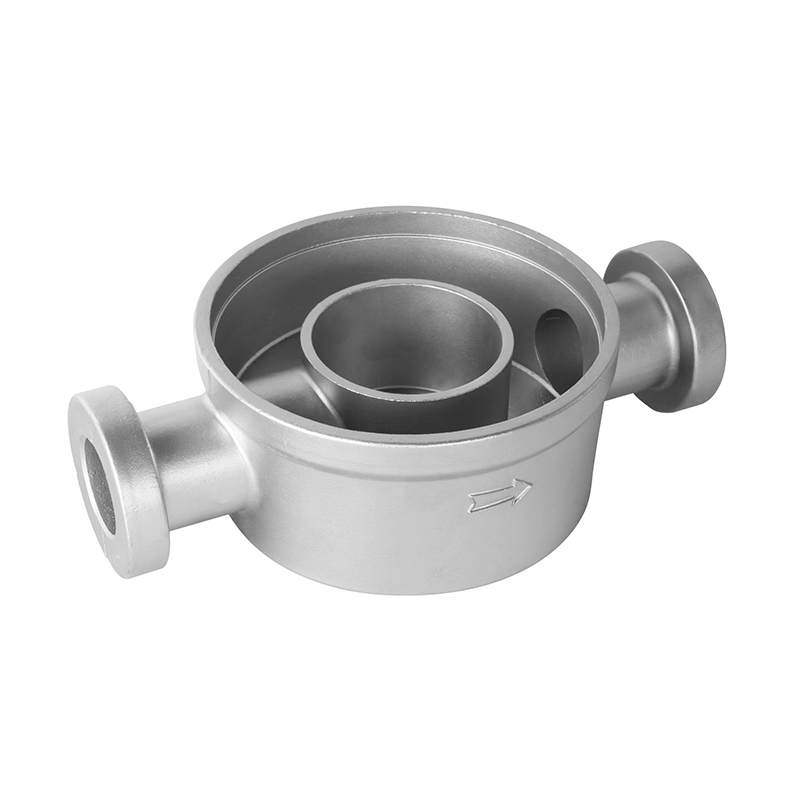
One key factor in selecting a stainless steel ball valve is the material grade. Valves made from 304 stainless steel offer solid corrosion resistance for most water and general chemical applications. In harsher conditions, 316 stainless steel is often preferred for its enhanced resistance to chlorides and more aggressive chemicals. Engineers also consider surface finish and internal design, especially in sanitary and precision systems where contamination control is critical. Smooth, polished surfaces and carefully designed seals help maintain purity in food, beverage, and pharmaceutical processes.
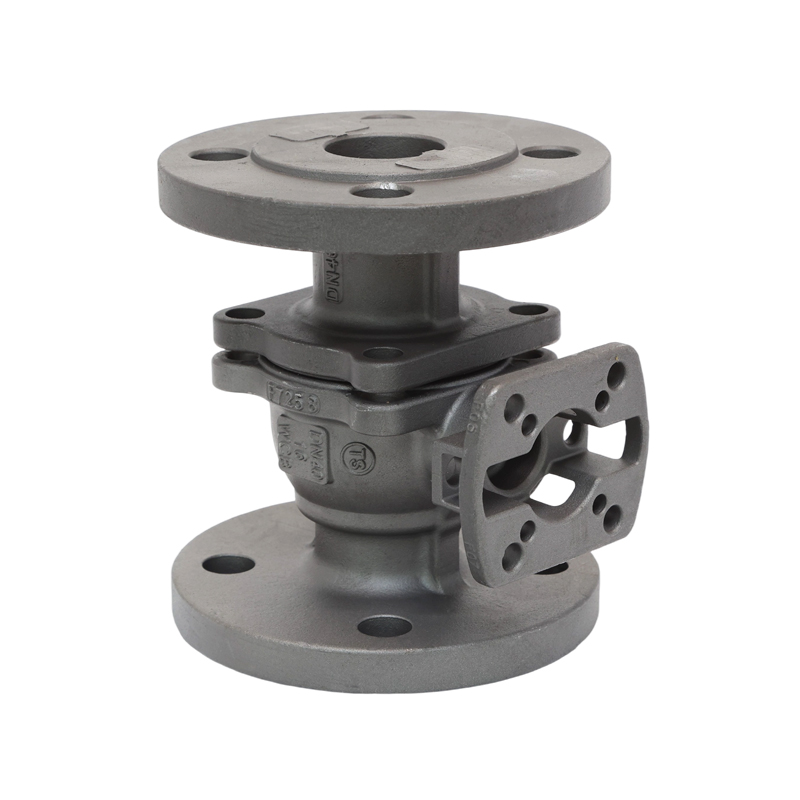
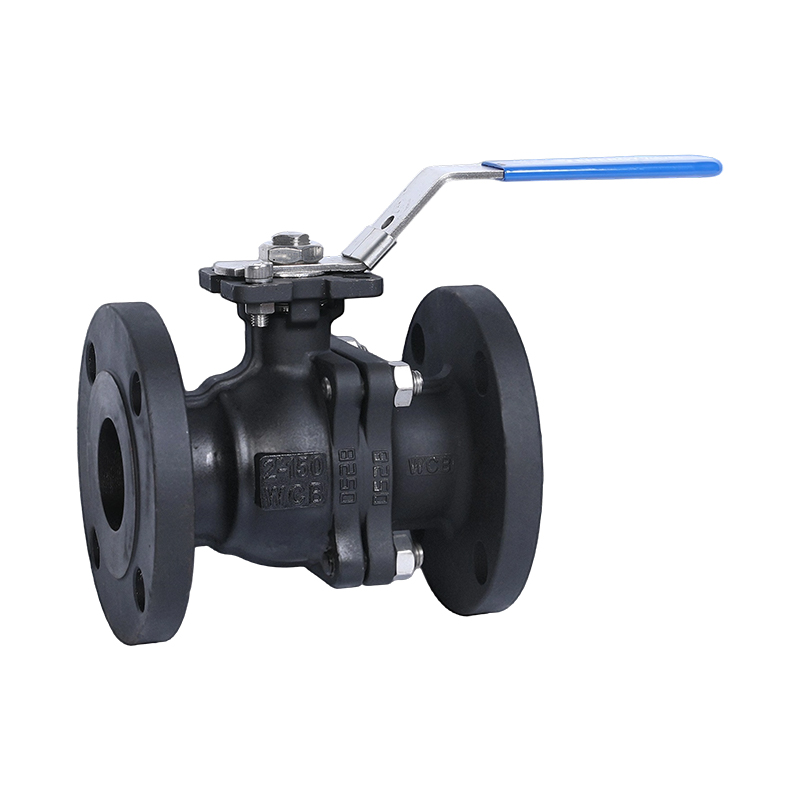
Valve structure is another consideration. Two-piece and three-piece designs allow easier maintenance and disassembly, while one-piece valves provide compact simplicity for small pipelines. Connection types such as threaded, flanged, or welded ends determine how the valve integrates with existing piping systems. Each design choice affects installation time, operational efficiency, and long-term durability.
Actuation options expand the functionality of stainless steel ball valves. Manual handles are suitable for simple operations, while pneumatic and electric actuators allow remote control and integration with automated systems. These actuated valves are especially useful in industrial plants where safety, speed, and precision are important.
In industrial settings, stainless steel ball valves are used for fluid isolation, control, and diversion in pipelines. They are common in oil and gas operations, water and wastewater systems, and chemical processing facilities. In sanitary applications, the emphasis is on hygiene and cleanability, making smooth finishes, crevice-free designs, and high-purity materials essential. Precision applications in biotechnology and pharmaceuticals require valves that minimize contamination risk and ensure consistent performance.
The operational advantages of stainless steel ball valves include tight sealing, durability, and versatility across a wide range of temperatures and pressures. Regular maintenance is straightforward, and valve replacements or adjustments can be performed without significant downtime. Proper selection of material, structure, and actuation ensures the valve meets both operational and safety requirements.
In summary, the Stainless Steel Ball Valve remains a fundamental component in industrial, sanitary, and precision fluid systems. Its combination of reliability, corrosion resistance, and adaptability makes it an important choice for a variety of fluid control applications, providing long-lasting performance, easy maintenance, and consistent operation under diverse temperature and pressure conditions across multiple industries.
Frequently Asked Questions
Q1: What industries use stainless steel ball valves?
A1: They are commonly used in water treatment, chemical processing, oil and gas, food and beverage, and pharmaceutical systems.
Q2: What is the difference between 304 and 316 stainless steel valves?
A2: 304 offers general corrosion resistance for standard applications, while 316 provides better resistance in aggressive chemical environments.
Q3: Why are sanitary stainless steel ball valves important?
A3: They ensure hygiene and reduce contamination in food, beverage, and pharmaceutical processes.
Q4: What actuation options are available?
A4: Stainless steel ball valves can be operated manually, electrically, or pneumatically depending on process requirements.

CONTACT INFO
 [email protected]
[email protected] +86-13857761200
 +86-0577-86566777
 No. 199, Baiyu Road, Binhai Park, Wenzhou, Zhejiang, China.
Copyright© Zhejiang Lizhi Metal Products Technology Co., Ltd. All Rights Reserved.

China Stainless Steel Valves