

Call us: +86-13857761200

Email us:[email protected]
 Get a quote

 EN
EN 
 English
 中文简体
中文简体 Español
 русский
Submit feedback
Industry News

Precision Components with Silica Sol Casting
 2025.12.25
 Industry News
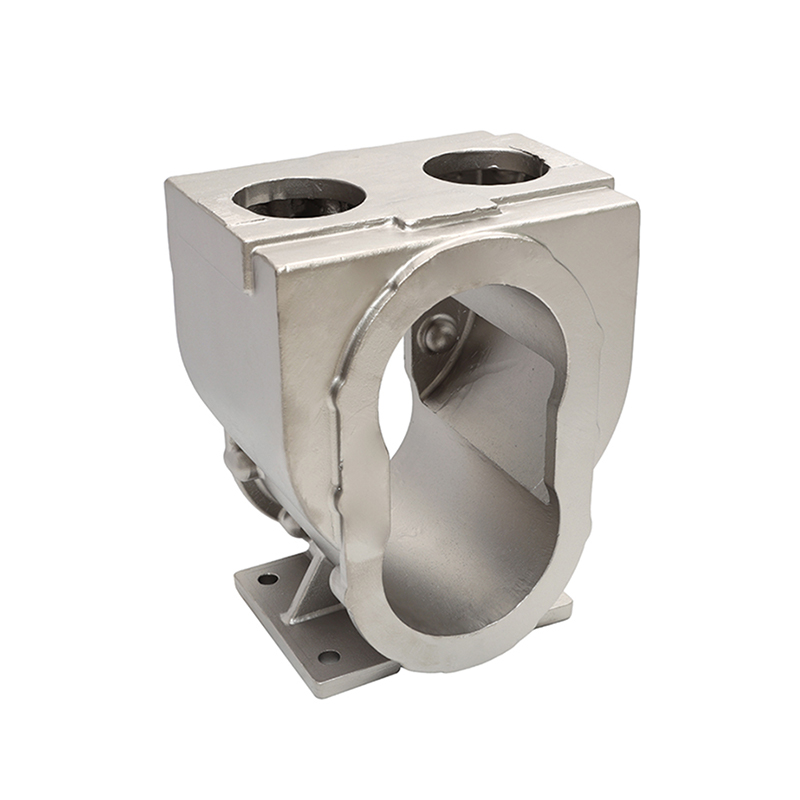
Silica Sol Casting is becoming a widely recognized method for producing high-precision, durable, and corrosion-resistant metal components. From aerospace turbine parts to medical-device housings and industrial valve bodies, this casting process allows manufacturers to create complex shapes with smooth surface finishes and tight dimensional tolerances, making it a preferred choice when quality and reliability are essential.
Key Advantages of Silica Sol Casting
- High Precision – The process replicates wax patterns with exceptional detail, often achieving dimensional tolerances within ±0.1 mm.
- Smooth Surface Finish – Typical surface roughness (Ra) ranges from 1.6–3.2 μm, reducing the need for extensive post-casting machining.
- Complex Geometries – Supports thin-walled sections, intricate internal passages, and fine details that are difficult to produce with machining or welding.
- Thermal and Material Versatility – Suitable for stainless steel, nickel superalloys, and other metals that require high-temperature casting for industrial, aerospace, or medical applications.
These characteristics make silica sol casting an ideal solution for parts that require precision, strength, and minimal post-processing.
Typical Applications
Here are some areas where silica sol casting is widely applied:
- Aerospace – Turbine blades, vanes, and structural brackets with internal cooling channels or intricate airfoil geometries.
- Medical Devices – Surgical implants, instrument housings, and precision parts that benefit from smooth finishes and tight tolerances.
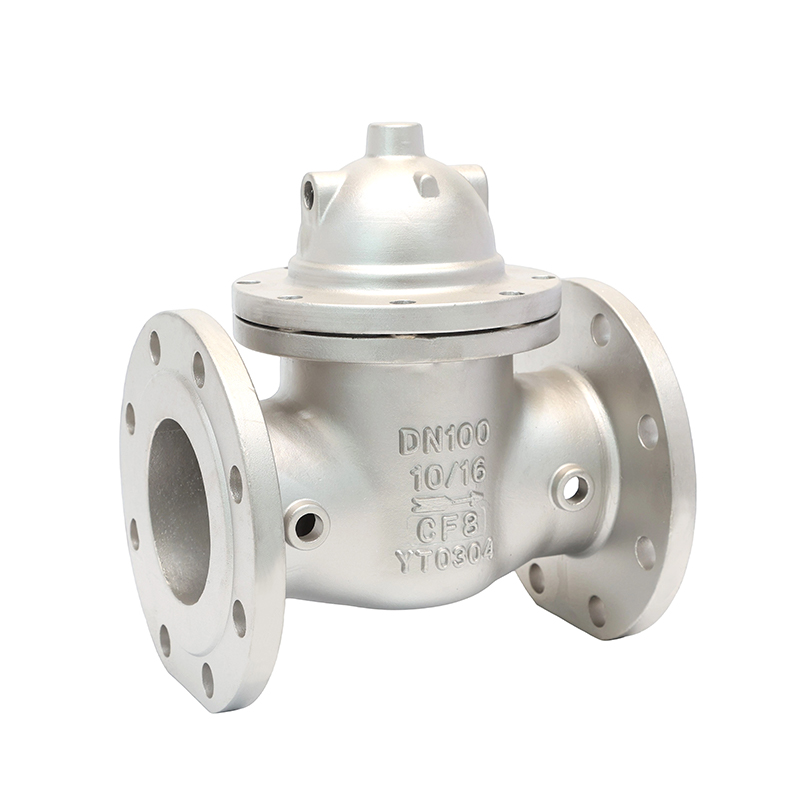
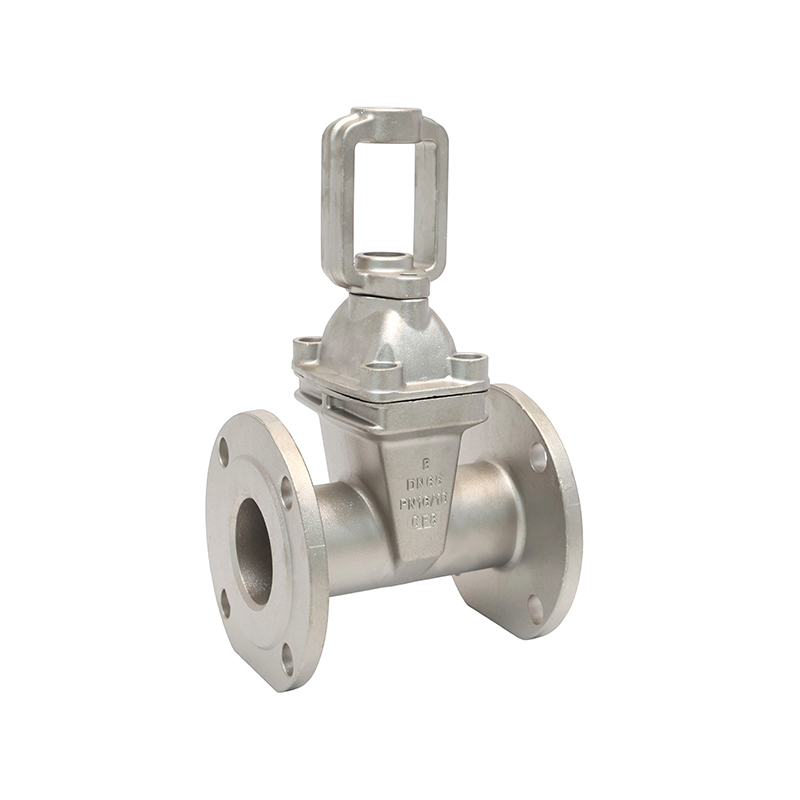
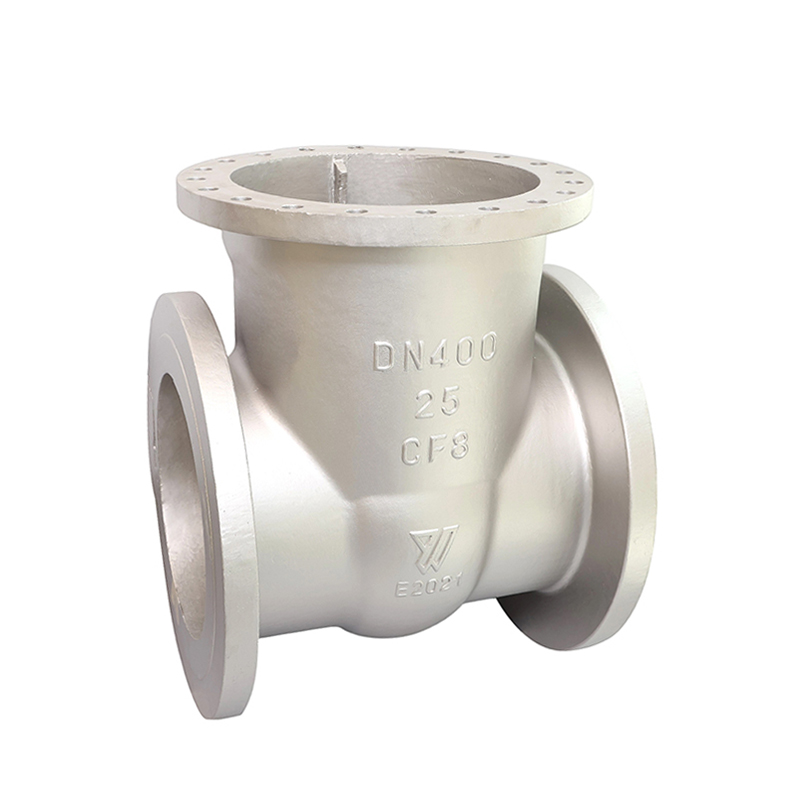
- Industrial Equipment – Pumps, valves, and fluid-handling components in chemical plants, power generation, and oil & gas industries, where durability and corrosion resistance are critical.
- Automotive – Engine components, exhaust parts, and turbocharger housings exposed to heat, wear, or corrosive environments.
In many of these applications, silica sol casting significantly reduces the need for secondary machining by producing parts with near-net shapes and smooth surfaces, shortens lead times through efficient mold preparation and casting processes, and minimizes material waste, especially for components with intricate geometries or thin walls, while also improving overall production efficiency and consistency.
Considerations for Buyers
When specifying silica sol cast parts, consider:
- Material Selection – Choose the appropriate alloy (stainless steel, nickel-based, etc.) based on temperature, corrosion, and mechanical requirements.
- Design Complexity – Provide detailed CAD models for parts with thin walls, internal passages, or intricate geometries.
- Quality Control – Ensure nondestructive testing is performed to detect porosity or structural defects, especially for critical applications.
- Surface Finish & Tolerances – Communicate desired tolerances and surface roughness to match performance expectations.
- Environmental Benefits – Silica sol is water-based and non-toxic, producing fewer harmful emissions during shell production and dewaxing.
FAQ
Q: Why choose silica sol casting over traditional sand casting?
A: Silica sol allows finer detail, tighter tolerances, smoother surfaces, and better dimensional accuracy.
Q: Can silica sol cast parts handle high-stress environments?
A: Yes. Properly cast parts demonstrate excellent strength, toughness, and fatigue resistance suitable for aerospace, automotive, and industrial applications.
Q: Are very thin-walled or complex parts feasible?
A: Yes. Wall thicknesses down to 0.5–1.5 mm and complex internal geometries can be produced reliably.
Q: Is this casting method environmentally friendly?
A: Compared to organic-binder methods, silica sol uses a water-based system, reducing emissions and improving workplace safety.
For engineers, manufacturers, and specifiers seeking reliable, precise, and high-quality metal components, Silica Sol Casting provides a versatile solution. Its ability to handle complex geometries, maintain tight tolerances, and reduce post-processing makes it an efficient choice for aerospace, medical, automotive, and industrial applications.

CONTACT INFO
 [email protected]
[email protected] +86-13857761200
 +86-0577-86566777
 No. 199, Baiyu Road, Binhai Park, Wenzhou, Zhejiang, China.
Copyright© Zhejiang Lizhi Metal Products Technology Co., Ltd. All Rights Reserved.

China Stainless Steel Valves