

Call us: +86-13857761200

Email us:[email protected]
 Get a quote

 EN
EN 
 English
 中文简体
中文简体 Español
 русский
Submit feedback
Industry News

Stainless Steel Precision Casting Applications
 2025.12.19
 Industry News
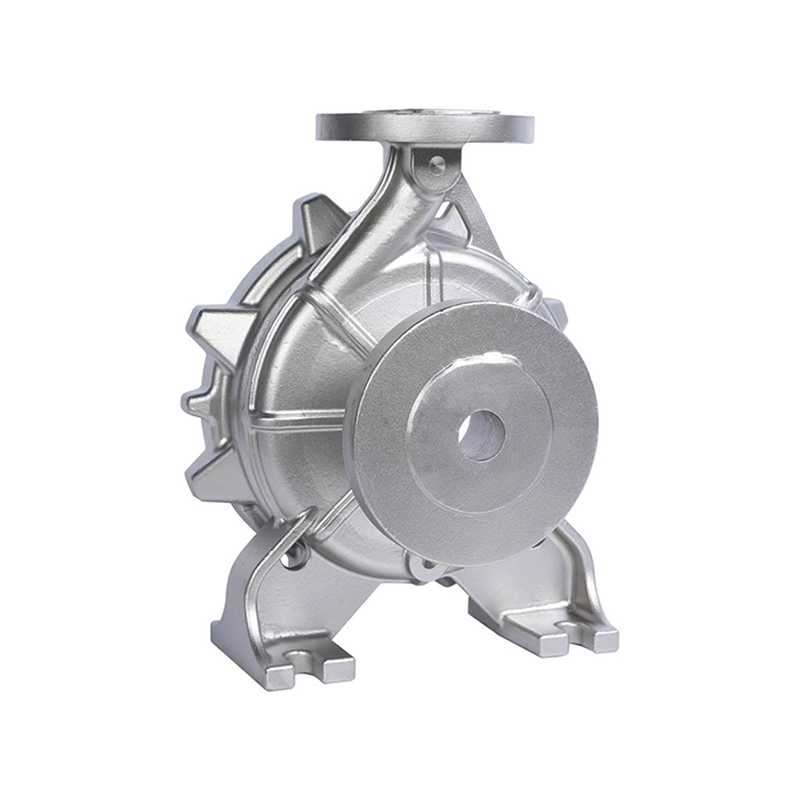
Stainless Steel Precision Casting is increasingly recognized across multiple industries for producing durable, corrosion‑resistant, and precisely engineered components. From automotive exhaust parts to aerospace structural elements and industrial pump casings, high-quality stainless steel castings ensure long-lasting performance, low maintenance, and reliability in demanding environments.
Why Precision Casting Matters
- The stainless steel casting market continues to grow, supported by increasing demand in automotive, aerospace, energy, and infrastructure sectors.
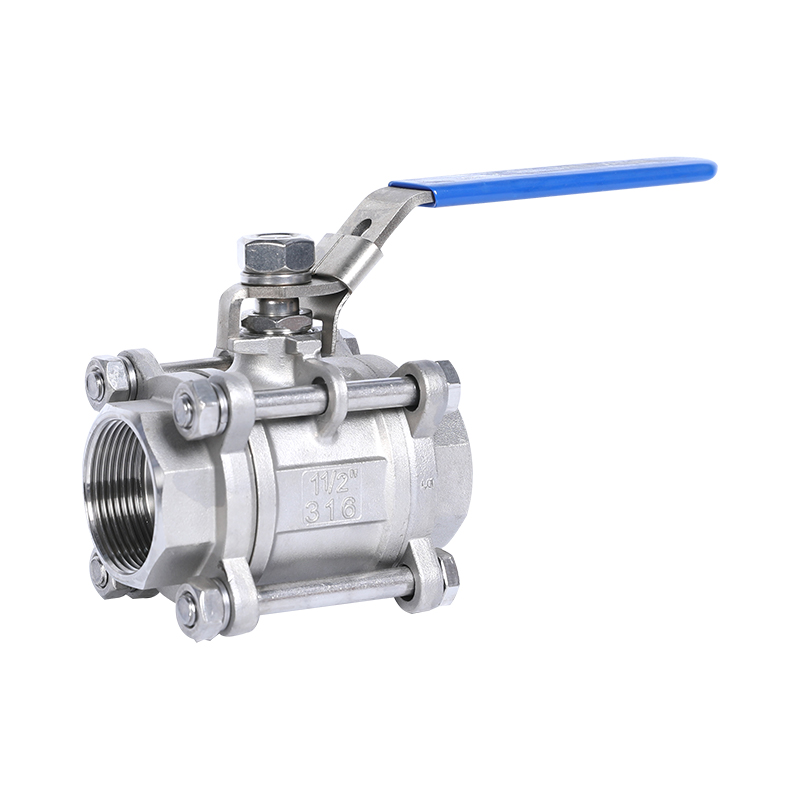
- Industrial machinery, including pumps, valves, and fluid-handling equipment, often requires castings capable of withstanding high pressure, chemical exposure, and variable temperatures.
- Stainless steel castings are inherently recyclable, appealing to companies with sustainability goals and environmental compliance requirements.
Manufacturers specify precision stainless steel castings when reliability, corrosion resistance, and longevity are critical for system performance.
Advances in Casting Technology
Recent innovations have improved casting quality and precision:
- Automation & Digital Methods – Robotic mold handling and AI-based quality control reduce defect rates and improve consistency.
- High-Quality Stainless Grades – 304, 316L, and high-alloy materials maintain mechanical strength, resist oxidation, and withstand thermal or chemical stress.
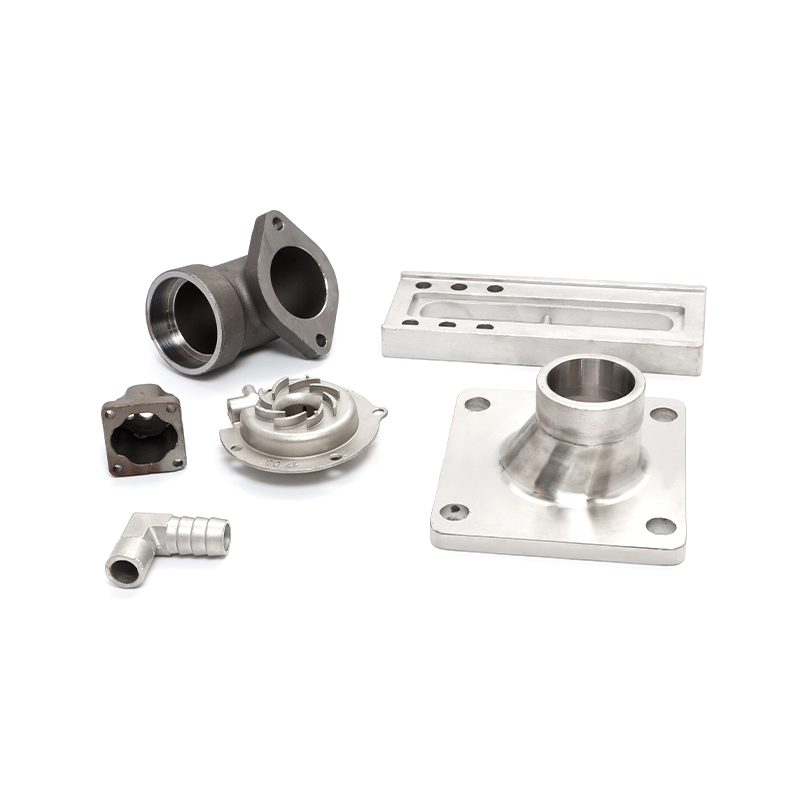
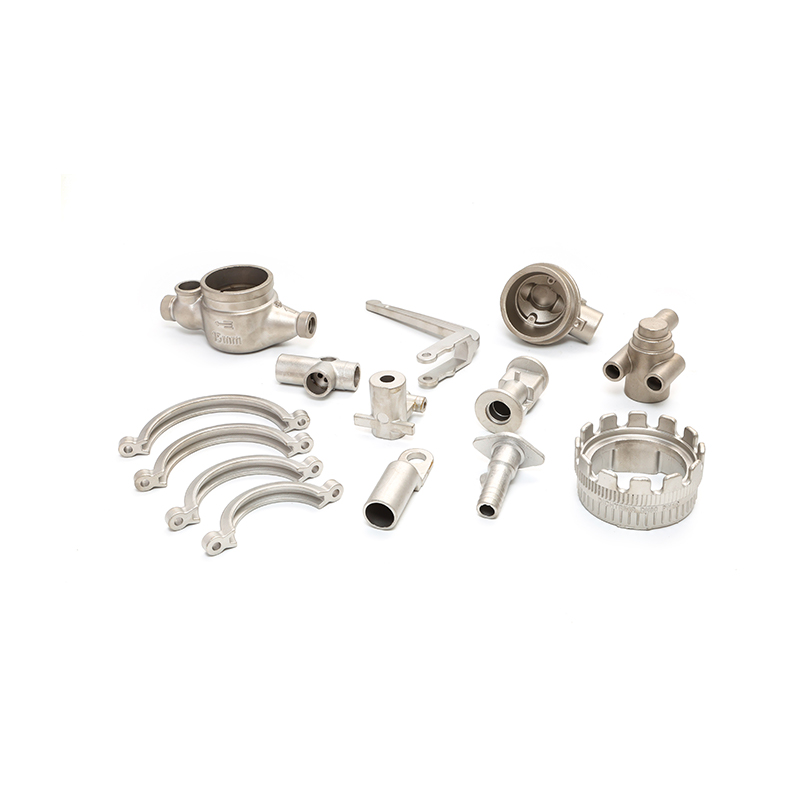
- Complex Geometries – Improved casting techniques allow fine, intricate parts to be produced with tight dimensional tolerances, suitable for aerospace, chemical processing, and high-performance machinery.
These advancements ensure stainless steel castings provide consistent performance, reduced maintenance, and extended service life.
Applications & Industry Use
Key sectors where stainless steel precision castings are widely used:
- Automotive: Turbocharger housings, exhaust components, and engine parts exposed to high temperatures and corrosive exhaust gases.
- Aerospace & Defense: Engine and structural components that must withstand high heat, mechanical stress, and oxidation.
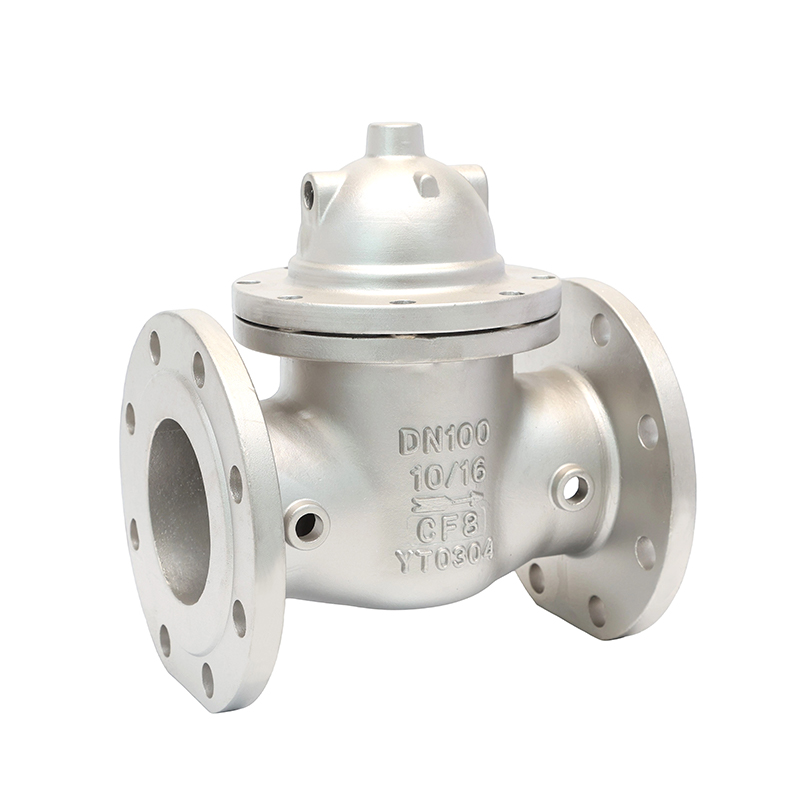
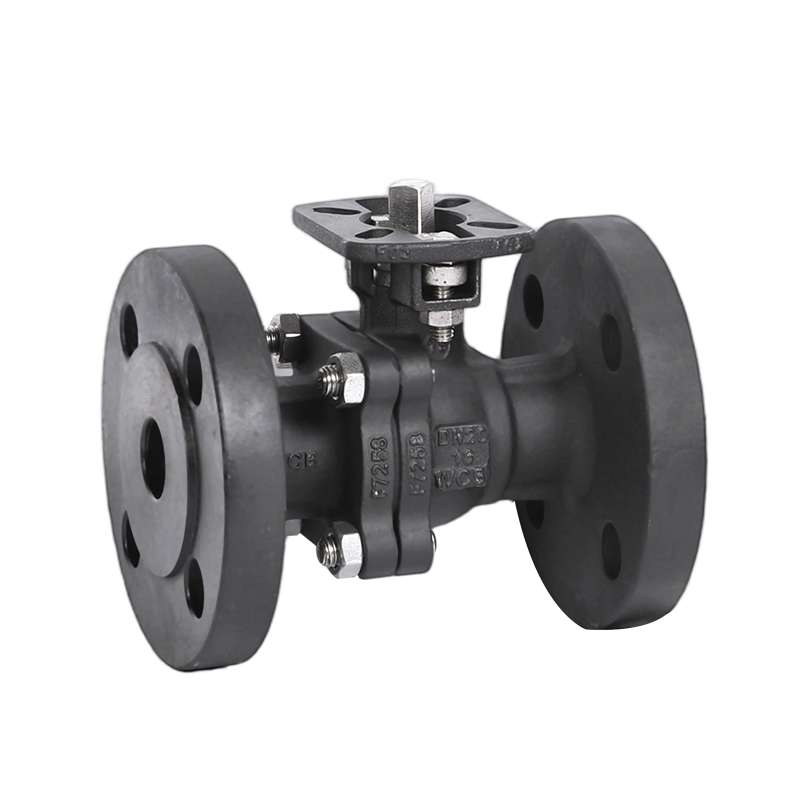
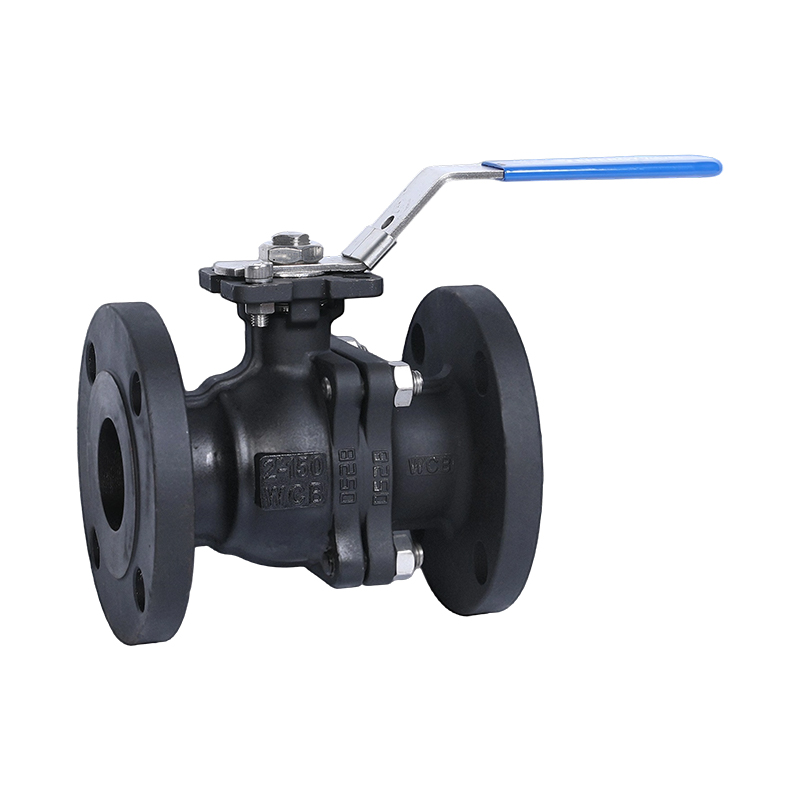
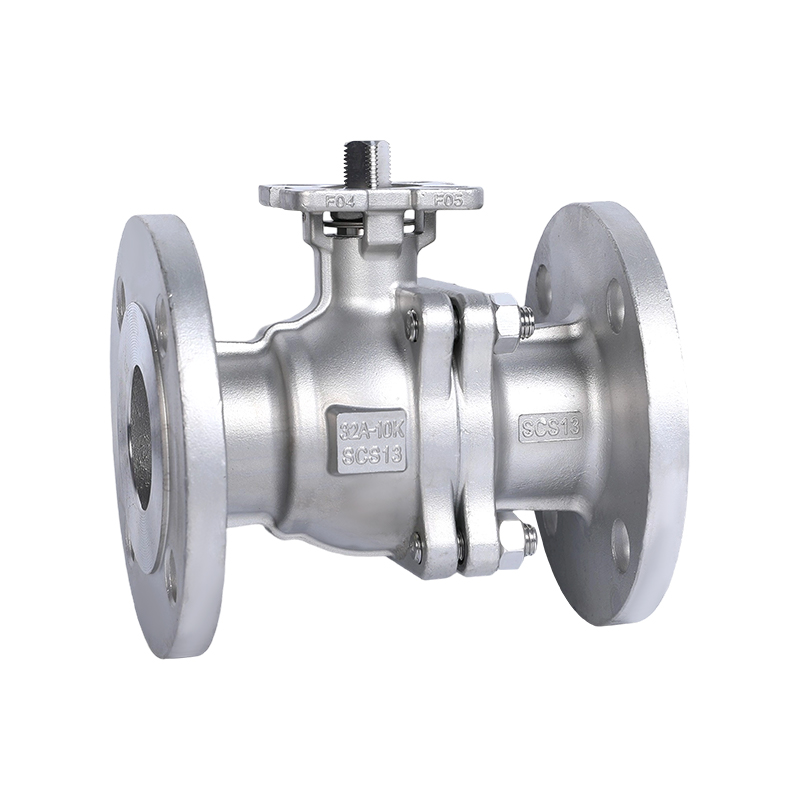
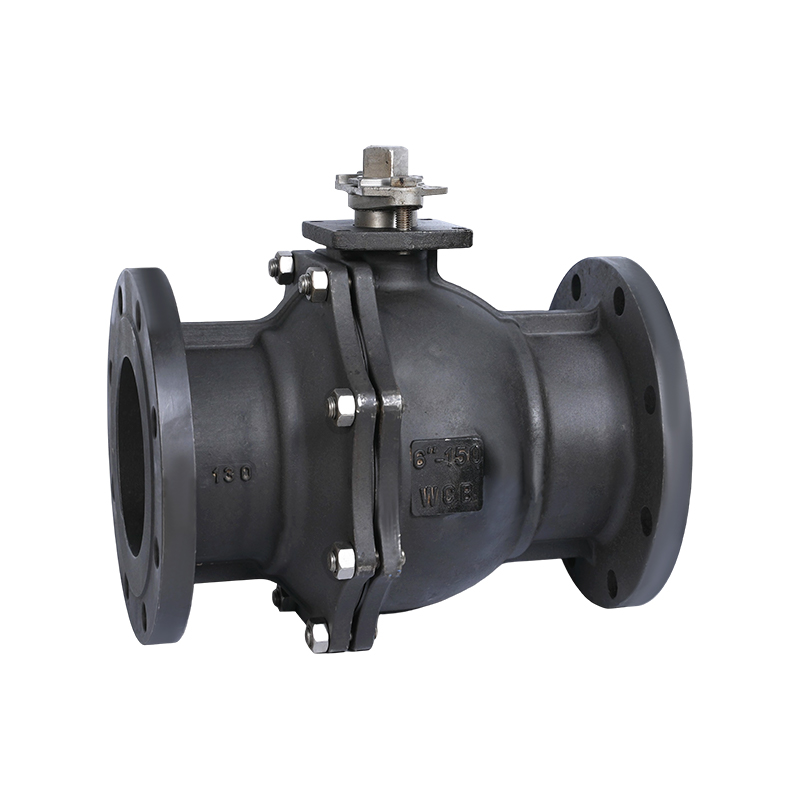
- Industrial Equipment: Pumps, valves, and fluid transfer systems in chemical plants, power generation, water treatment, and oil & gas operations, where durability and corrosion resistance are essential.
- Infrastructure & Construction: Structural fittings, long-lasting components for buildings, transport, and utilities requiring minimal maintenance.
These examples highlight how stainless steel castings now serve high-precision and safety-critical applications, not just heavy machinery.
What Buyers Should Consider
Before ordering stainless steel precision castings, it is important to evaluate:
- Material Grade: Choose stainless grades according to required corrosion resistance, temperature tolerance, and chemical exposure.
- Casting Quality & Tolerances: Ensure the foundry uses modern processes to minimize defects like porosity or surface imperfections.
- Design Complexity: Complex or thin-walled parts require precise casting and post-processing to avoid warping or defects.
- Sustainability: Use recycled stainless steel and energy-efficient processes where possible.
FAQ
Q: Why choose stainless steel castings over machined or welded parts?
A: Casting allows complex shapes and internal geometries that are difficult or costly to machine or weld, while still ensuring strength and corrosion resistance.
Q: Are cast parts as reliable as forged or machined components?
A: With modern automation, high-quality alloys, and improved quality control, precision castings can achieve tight tolerances and reliable performance even in harsh environments.
Q: Can stainless steel castings handle high temperatures and corrosive fluids?
A: Yes — many stainless grades used in precision casting resist both heat and chemical attack, suitable for automotive, chemical, or industrial applications.
Q: Are stainless steel castings environmentally friendly?
A: Yes — stainless steel is recyclable, and modern casting processes reduce waste and energy use.
For manufacturers and engineers seeking durable, corrosion-resistant, and high-precision components, Stainless Steel Precision Casting offers performance, reliability, and long-term value across industries ranging from automotive and aerospace to industrial machinery and infrastructure.

CONTACT INFO
 [email protected]
[email protected] +86-13857761200
 +86-0577-86566777
 No. 199, Baiyu Road, Binhai Park, Wenzhou, Zhejiang, China.
Copyright© Zhejiang Lizhi Metal Products Technology Co., Ltd. All Rights Reserved.

China Stainless Steel Valves