

Call us: +86-13857761200

Email us:[email protected]
 Get a quote

 EN
EN 
 English
 中文简体
中文简体 Español
 русский
Submit feedback
Industry News

High Platform Ball Valve for Harsh Environments
 2025.12.12
 Industry News
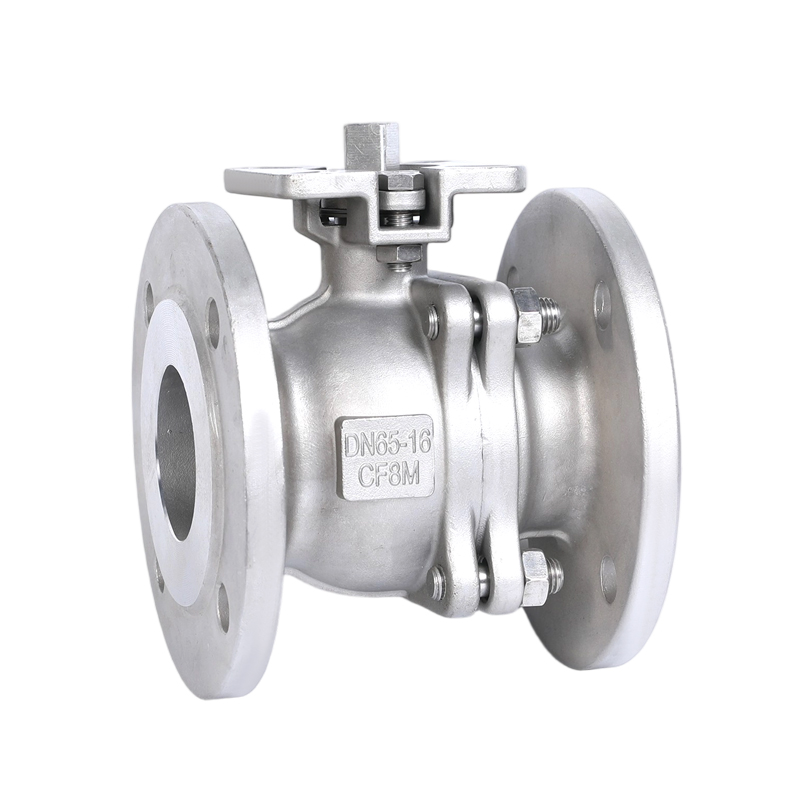
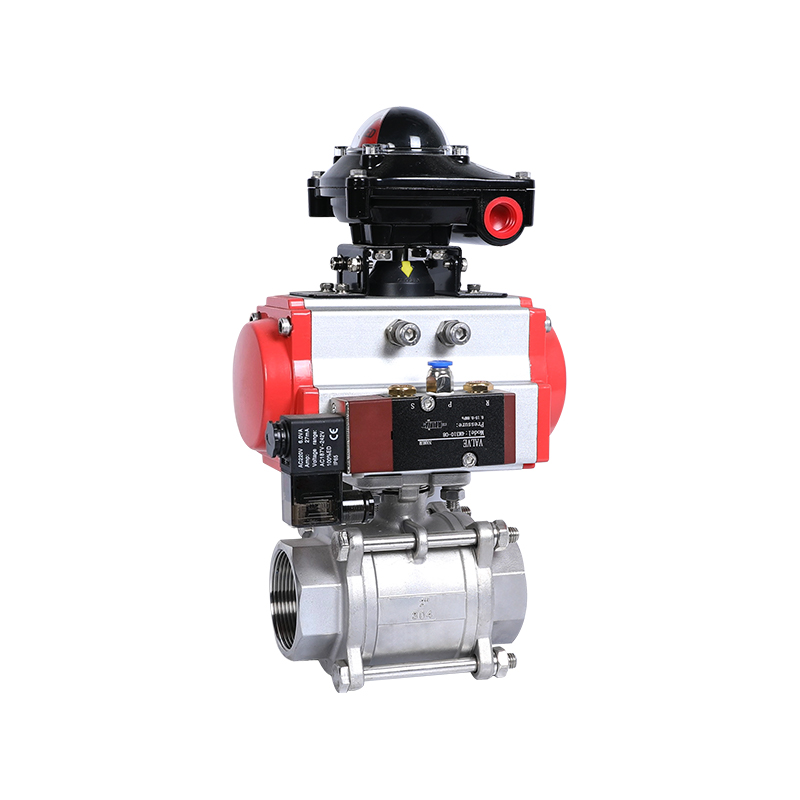
High-temperature and corrosive environments pose unique challenges for industrial systems, and the High Platform Ball Valve has emerged as a reliable solution for controlling fluid flow in such conditions. These valves are designed to withstand extreme heat, chemical attack, and heavy-duty operational demands, making them essential in industries like oil & gas, chemical processing, and offshore platforms.
Why High-Temperature Corrosive Environments Matter
In applications such as refineries, chemical plants, and offshore oil rigs, fluid media can reach temperatures above 200°C and contain highly corrosive substances such as strong acids, alkalis, or saline water, which can aggressively attack standard metals and coatings. Standard valves often fail under such extreme conditions, resulting in leakage, equipment damage, costly downtime, or even serious safety hazards. High platform ball valves, with their elevated actuator mounting, reinforced body structure, and robust sealing design, provide the durability and resilience required to reliably handle these challenging and demanding scenarios over long operational periods.
Key points include:
- Temperature resistance up to 400°C in some designs.
- Corrosion-resistant materials like duplex stainless steel, Hastelloy, or titanium alloys.
- Pressure ratings that can exceed 40 bar in high-temperature pipelines.
Advantages of High Platform Ball Valves
- Ease of Automation – The elevated platform allows actuators to be mounted without interference from the pipeline, enabling remote operation even in hazardous locations.
- Durable Seals – High-quality PTFE or graphite packing ensures tight sealing, reducing leakage risks in aggressive fluids.
- Multi-Way Flow Control – 3-way or 4-way options allow complex routing of corrosive fluids, which is critical in chemical processing.
Long Service Life – The combination of high-performance materials and precision machining ensures extended operation in challenging environments.
Real-World Applications
- Offshore Oil Platforms – Saline seawater and high-pressure steam require valves that resist corrosion and maintain reliability for years.
- Chemical Processing Plants – Acids and caustic solutions are common; valves must resist degradation while maintaining tight shut-off.
- Power Generation – High-temperature steam systems benefit from automated high-platform ball valves to control energy flow efficiently.
Recent project data suggest that facilities installing corrosion-resistant high platform valves experience up to a 30% reduction in maintenance downtime, translating into significant operational savings.
FAQ: High Platform Ball Valves in Harsh Conditions
Q: What materials are recommended for corrosive fluids?
A: Duplex stainless steel, Inconel, Hastelloy, and titanium alloys are commonly used to resist acids, alkalis, and saline solutions.
Q: Can these valves be automated safely?
A: Yes. The elevated platform design allows electric or pneumatic actuators to be mounted without interfering with piping, enabling remote and automated control in hazardous environments.
Q: Are these valves suitable for extreme temperatures?
A: Absolutely. Certain models handle temperatures up to 400°C while maintaining seal integrity, ensuring reliable operation in high-temperature pipelines.
Q: What industries benefit most?
A: Oil & gas, chemical processing, power generation, and any industry where fluids are both hot and corrosive.
Conclusion
For systems exposed to high-temperature and corrosive fluids, the High Platform Ball Valve provides a combination of durability, automation capability, and operational safety. By choosing the right materials and configuration, engineers and operators can ensure reliable flow control while minimizing maintenance and maximizing system longevity. This makes high platform ball valves a practical choice for modern industrial applications, from offshore platforms to chemical plants.

CONTACT INFO
 [email protected]
[email protected] +86-13857761200
 +86-0577-86566777
 No. 199, Baiyu Road, Binhai Park, Wenzhou, Zhejiang, China.
Copyright© Zhejiang Lizhi Metal Products Technology Co., Ltd. All Rights Reserved.

China Stainless Steel Valves