

Call us: +86-13857761200

Email us:[email protected]
 Get a quote

 EN
EN 
 English
 中文简体
中文简体 Español
 русский
Submit feedback
Industry News

Precision Casting for Aerospace and Automotive Components
 2025.12.05
 Industry News
Precision casting has become an essential manufacturing method for producing components that require high precision, complex structures, and reliable performance. Industries such as aerospace and automotive increasingly rely on precision casting to produce parts that operate under high temperatures, high stress, and demanding environmental conditions. This method enables manufacturers to deliver components with consistent quality, dimensional accuracy, and material integrity.
Key Applications in High‑Demand Environments
Precision casting is particularly suited for high-performance components in aerospace and automotive sectors. In aerospace, turbine blades, structural engine parts, and other critical components require exceptional heat resistance and mechanical strength. Precision casting allows for complex geometries and fine surface finishes, which are important for efficiency and operational reliability.
In the automotive sector, precision casting is widely applied to engine components, transmission housings, and powertrain modules. Lightweight alloys such as aluminum are commonly used to improve fuel efficiency and reduce vehicle weight, while higher-strength nickel-based superalloys provide durability for parts exposed to elevated temperatures. The flexibility of precision casting enables manufacturers to meet a range of engineering requirements across multiple applications.
Materials and Alloy Diversity
The choice of materials is an important factor in precision casting. Aluminum alloys are favored in applications where weight reduction is a priority, including automotive components and certain aerospace structures. Nickel-based superalloys are preferred in high-temperature environments, such as jet engine parts, due to their strength and resistance to thermal fatigue. Other materials, including stainless steel and cobalt-chrome alloys, are also used depending on the mechanical and thermal requirements of the component.
This material versatility allows precision casting to serve diverse applications, supporting both small-batch custom components and high-volume production runs. Manufacturers can select the appropriate alloy to balance cost, performance, and processing requirements.
Manufacturing Technology and Process Innovation
The majority of precision casting production relies on silica-sol investment casting, which accounts for approximately 59% of process usage globally. This method provides smooth surface finishes, high dimensional accuracy, and reduced machining requirements. Investment casting also supports intricate and hollow designs that may be challenging with other methods.
Recent innovations include the use of 3D-printed wax or polymer patterns, which enhance design flexibility and reduce tooling costs. These patterns allow for rapid prototyping, faster iterations, and lower overall production time. Combining traditional investment casting with modern additive manufacturing technologies offers manufacturers an efficient way to produce complex components with reduced lead times.
Process improvements also extend to automated mold handling, precision pouring, and enhanced thermal control. These steps help maintain consistent quality and reduce the risk of defects in high-performance components.
Summary and Industry Implications
Precision casting offers a reliable solution for producing components that operate under demanding conditions. Its application in aerospace and automotive sectors demonstrates the importance of material selection, process innovation, and design flexibility. Manufacturers can leverage precision casting to produce parts with complex shapes, high strength, and thermal stability while maintaining efficiency and cost-effectiveness.
| Application Sector | Typical Components | Key Advantages |
|---|---|---|
| Aerospace | Turbine blades, structural engine parts | High temperature resistance, precise geometry |
| Automotive | Engine blocks, transmission housings, powertrain modules | Lightweight alloys, complex shapes |
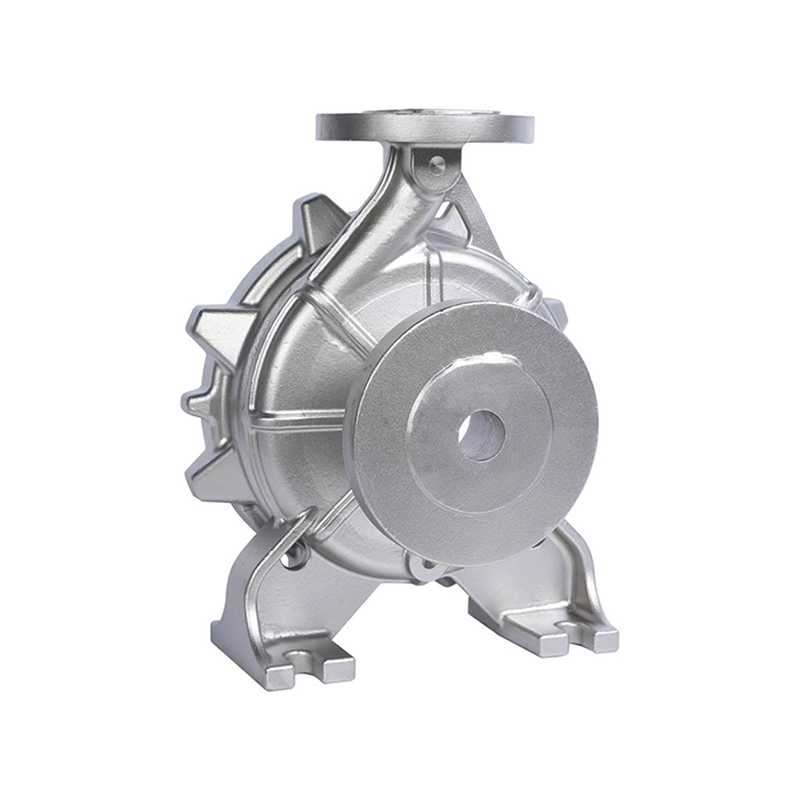
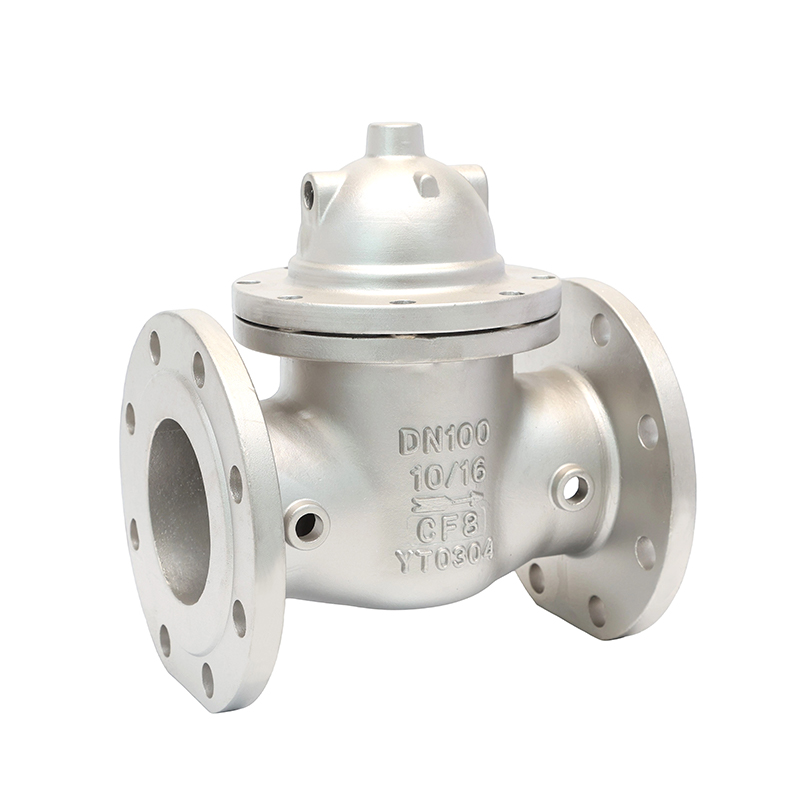
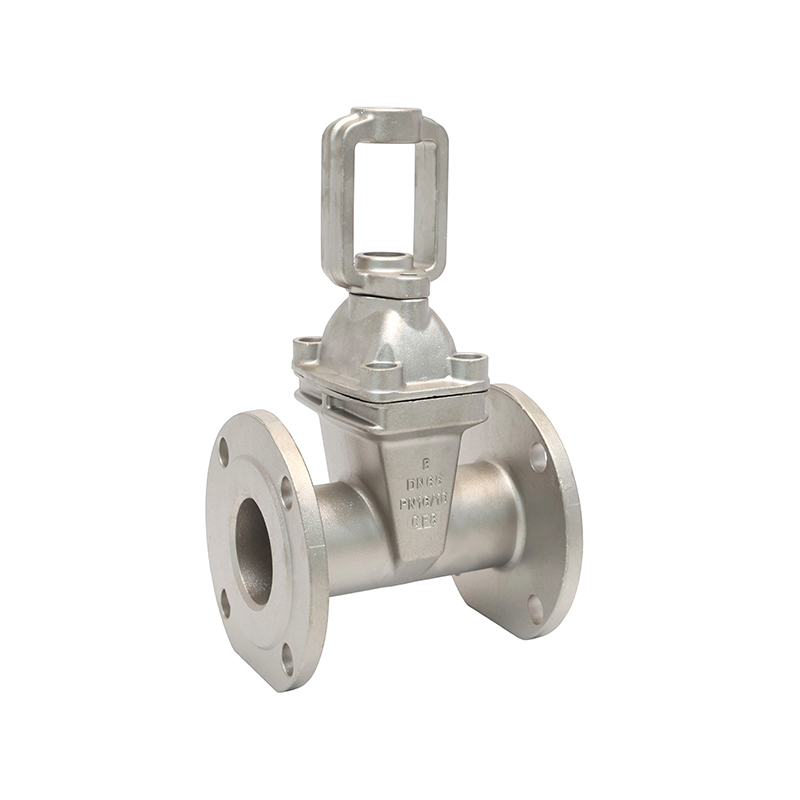
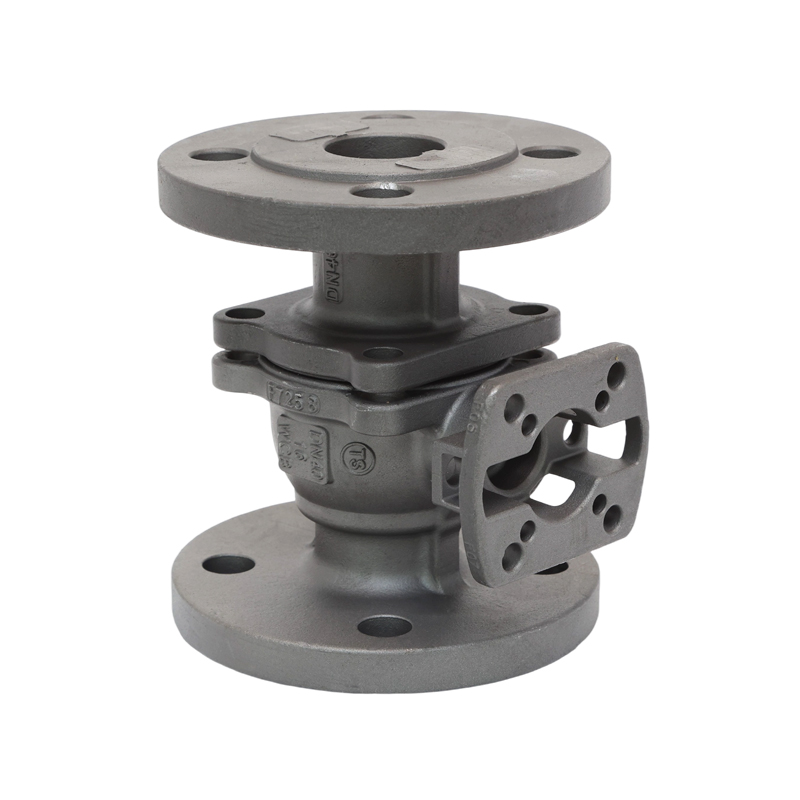
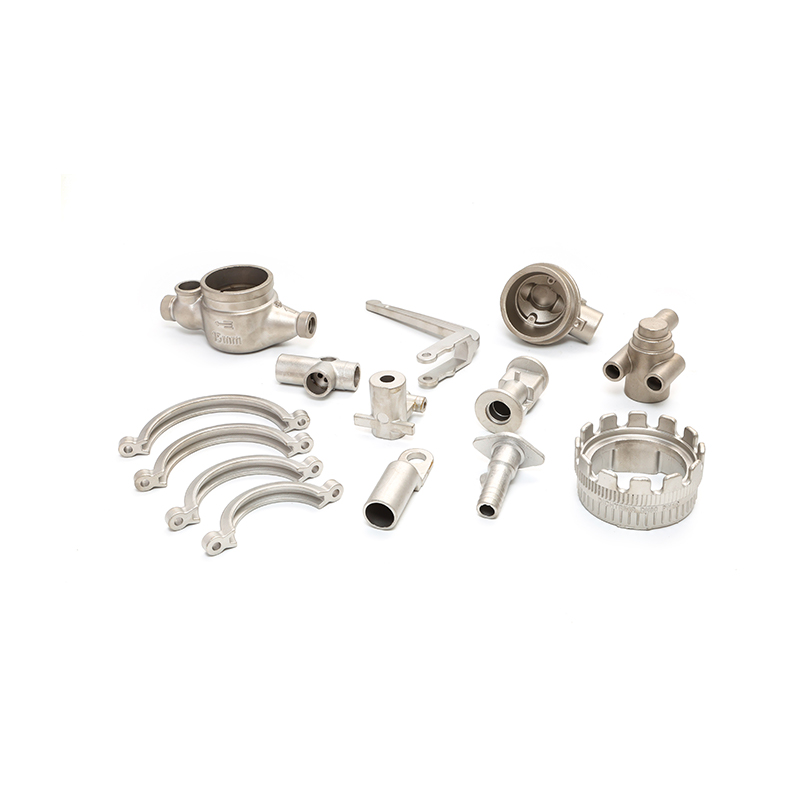
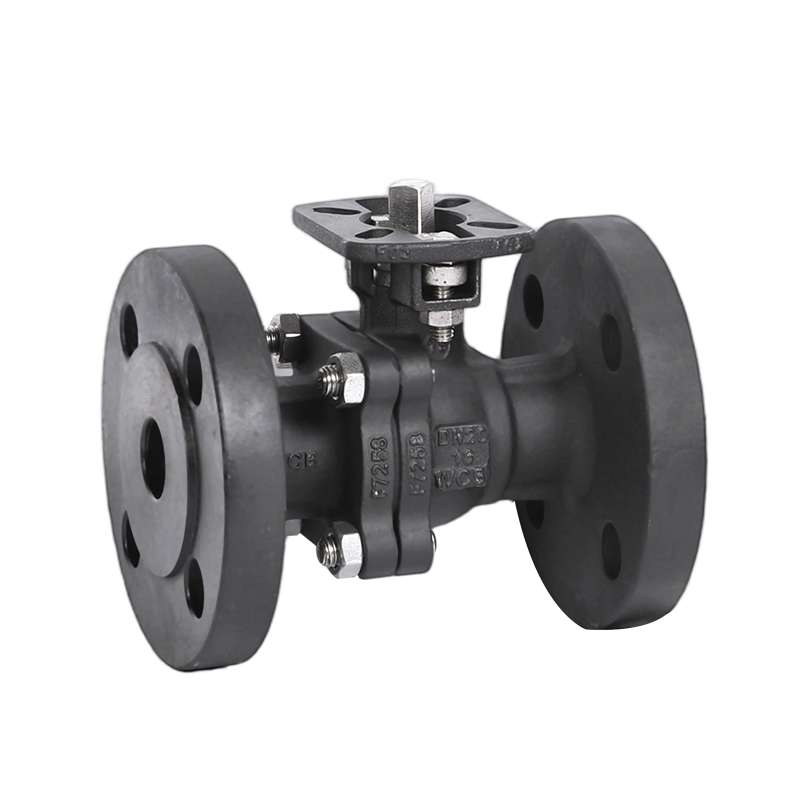
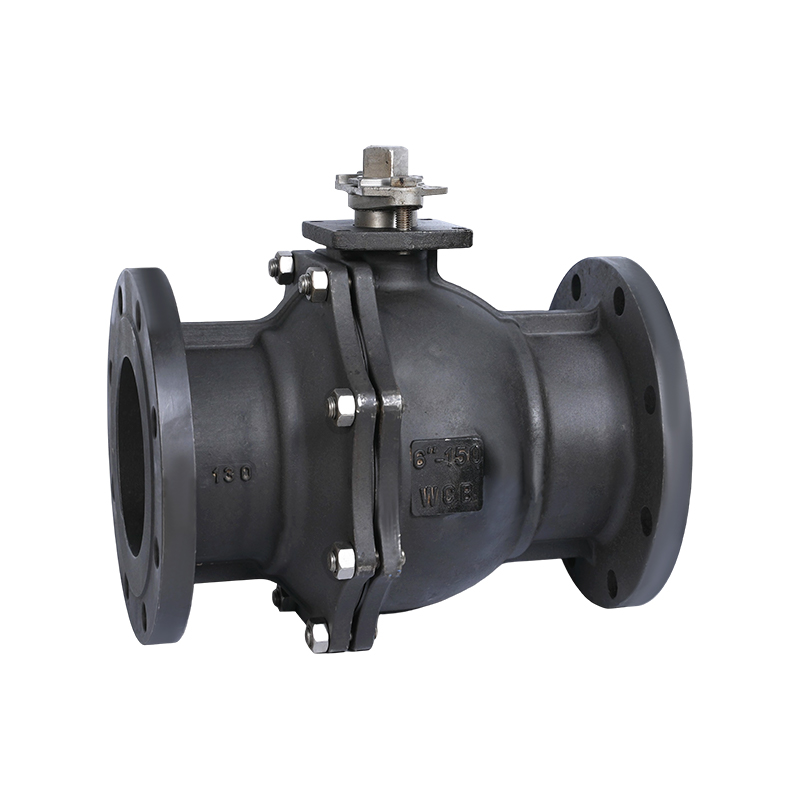
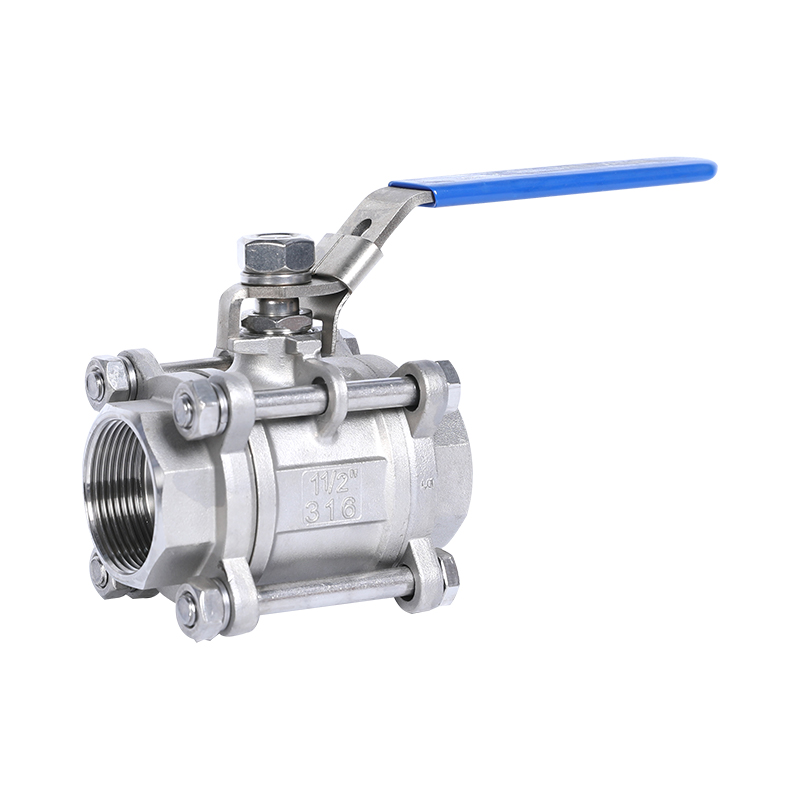
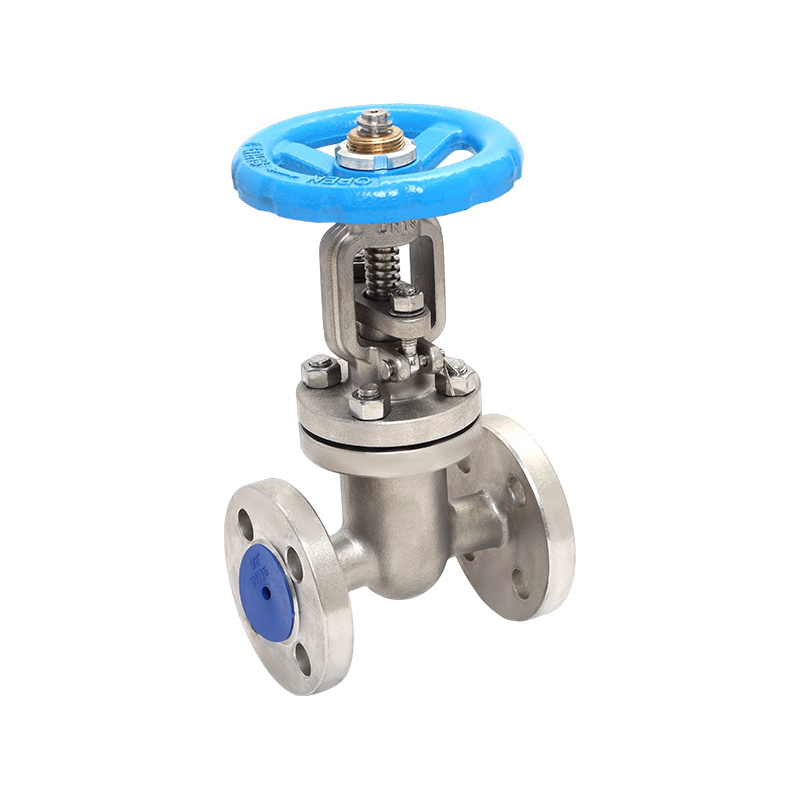
| Industrial | Valves, pumps, machinery parts | High strength, reduced machining |
By combining material diversity, advanced process technology, and engineering expertise, precision casting continues to support the production of high-performance components in industries where reliability and accuracy are essential. Precision casting provides manufacturers with a versatile approach to meet the demands of modern aerospace, automotive, and industrial applications.

CONTACT INFO
 [email protected]
[email protected] +86-13857761200
 +86-0577-86566777
 No. 199, Baiyu Road, Binhai Park, Wenzhou, Zhejiang, China.
Copyright© Zhejiang Lizhi Metal Products Technology Co., Ltd. All Rights Reserved.

China Stainless Steel Valves